
Last updated September 23, 2026
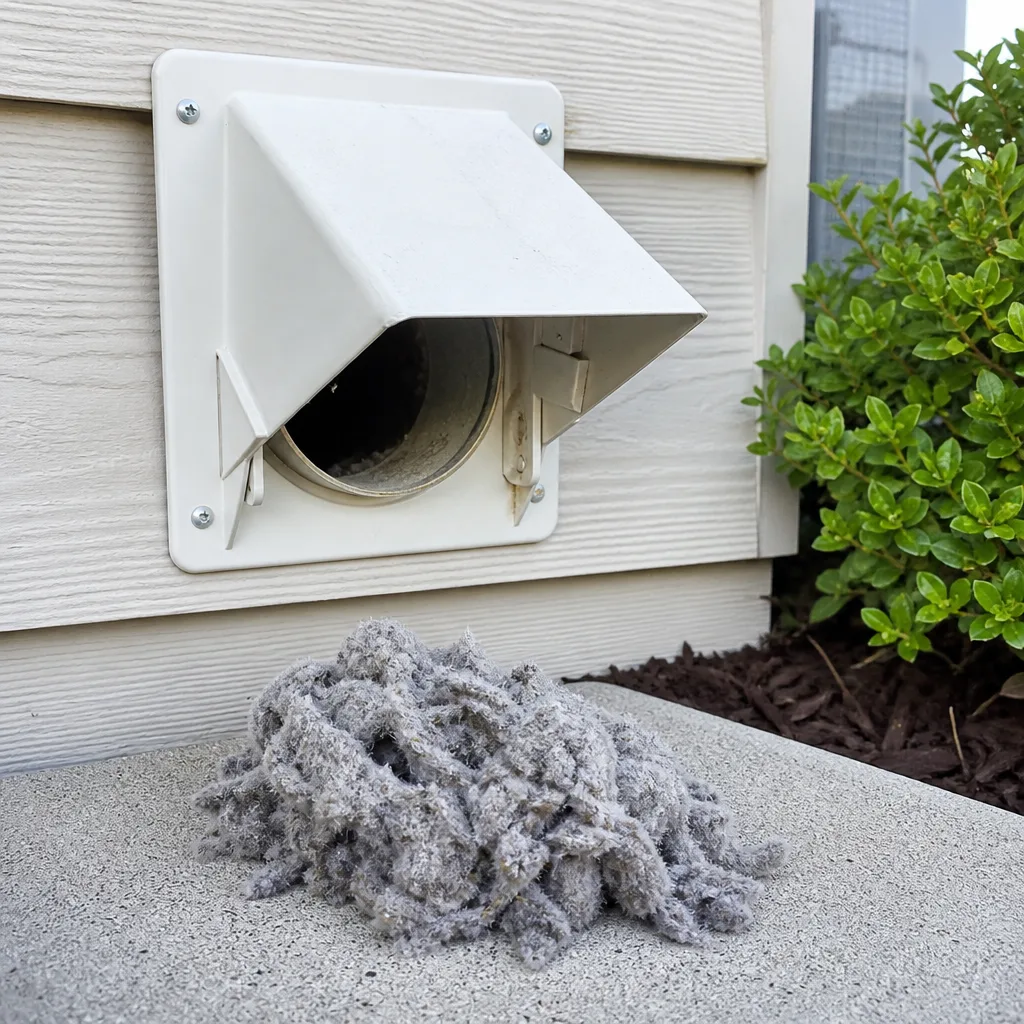
Whole-system duct and dryer vent check with before-and-after photos - you see exactly what came out of your vents
That "$99 whole-house special" is a bait ad - the real number appears once they are in your hallway, or the "clean" is a shop-vac at the register. We photograph the inside of your ducts before and after instead.
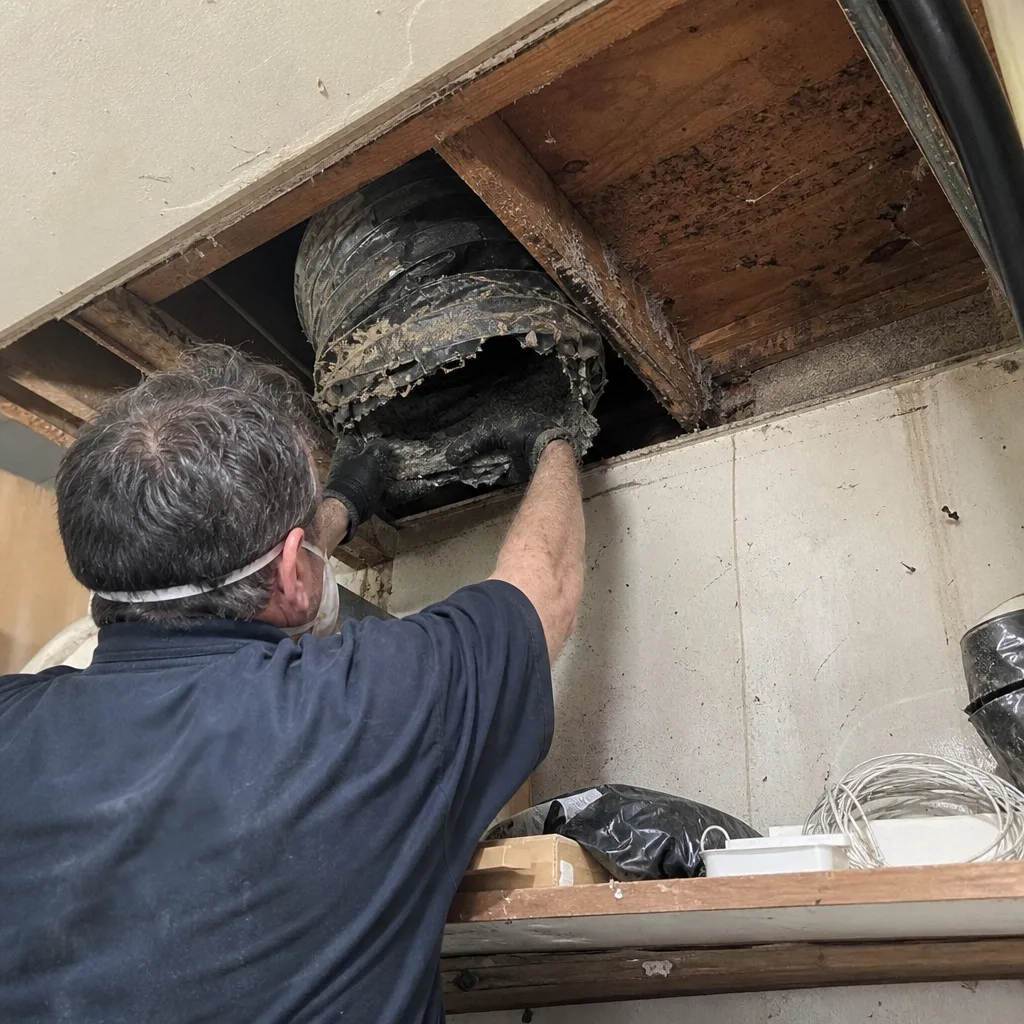 Before
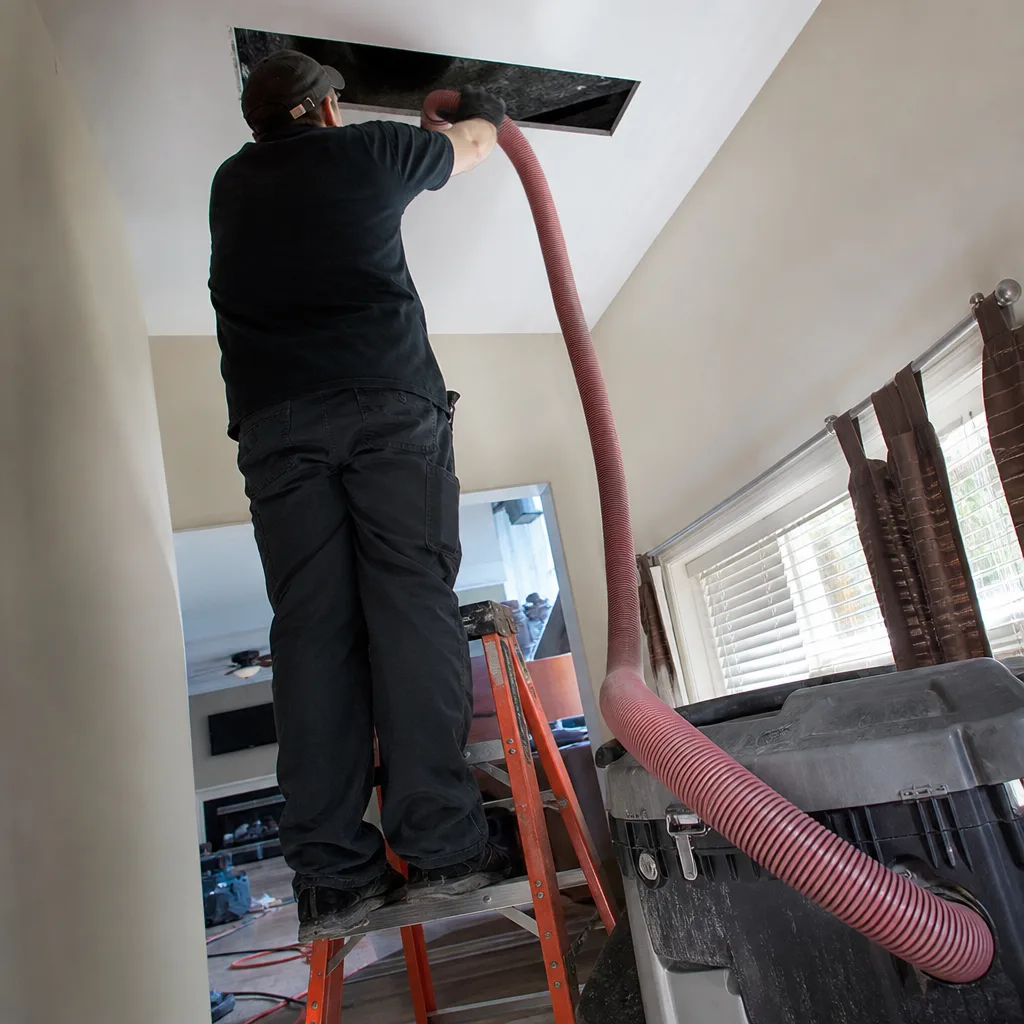 After
After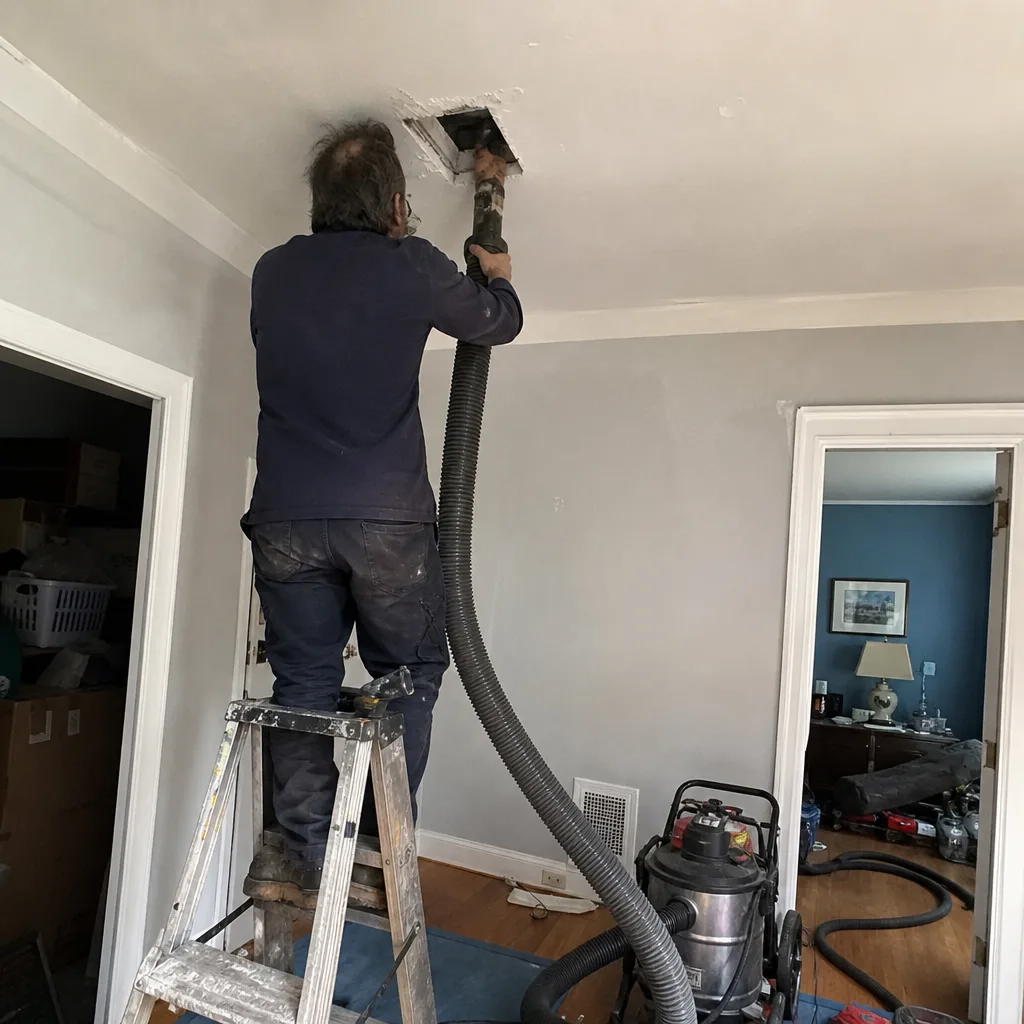 Before
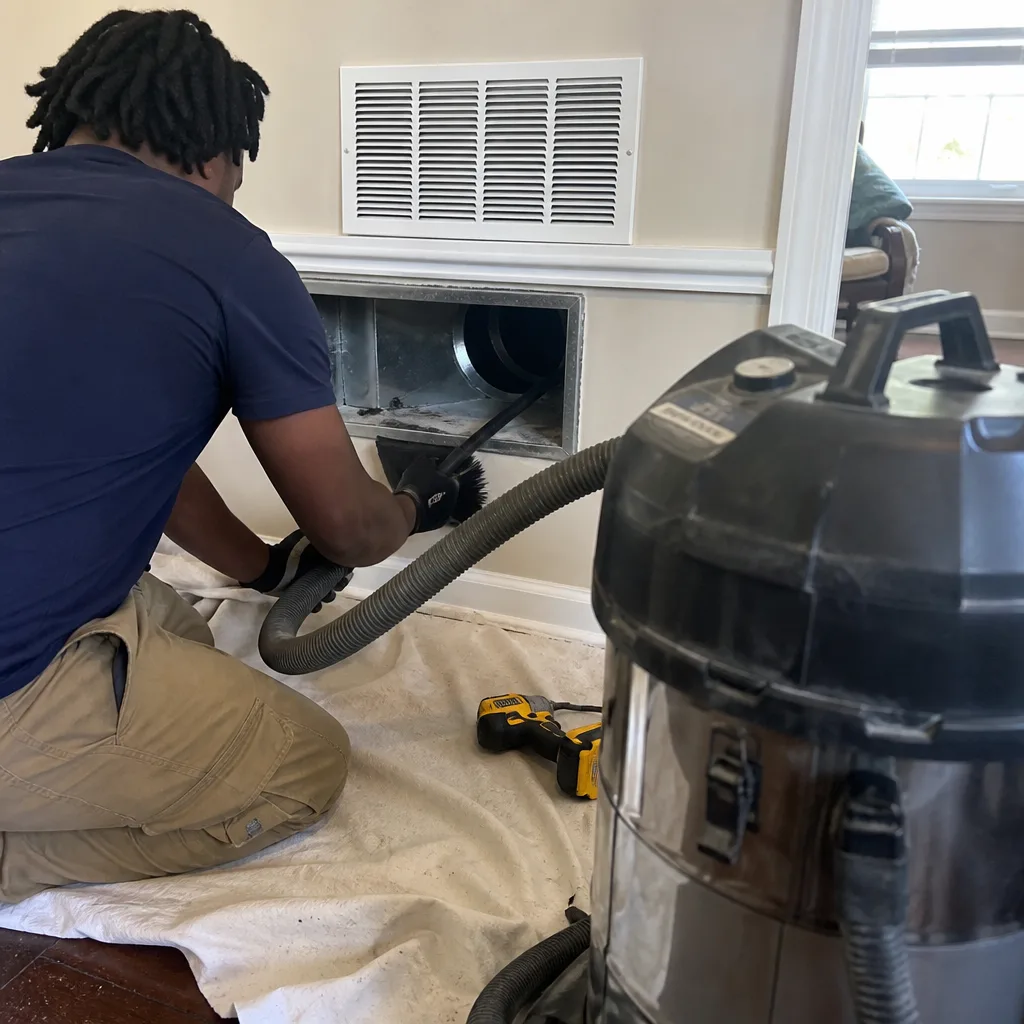 After
After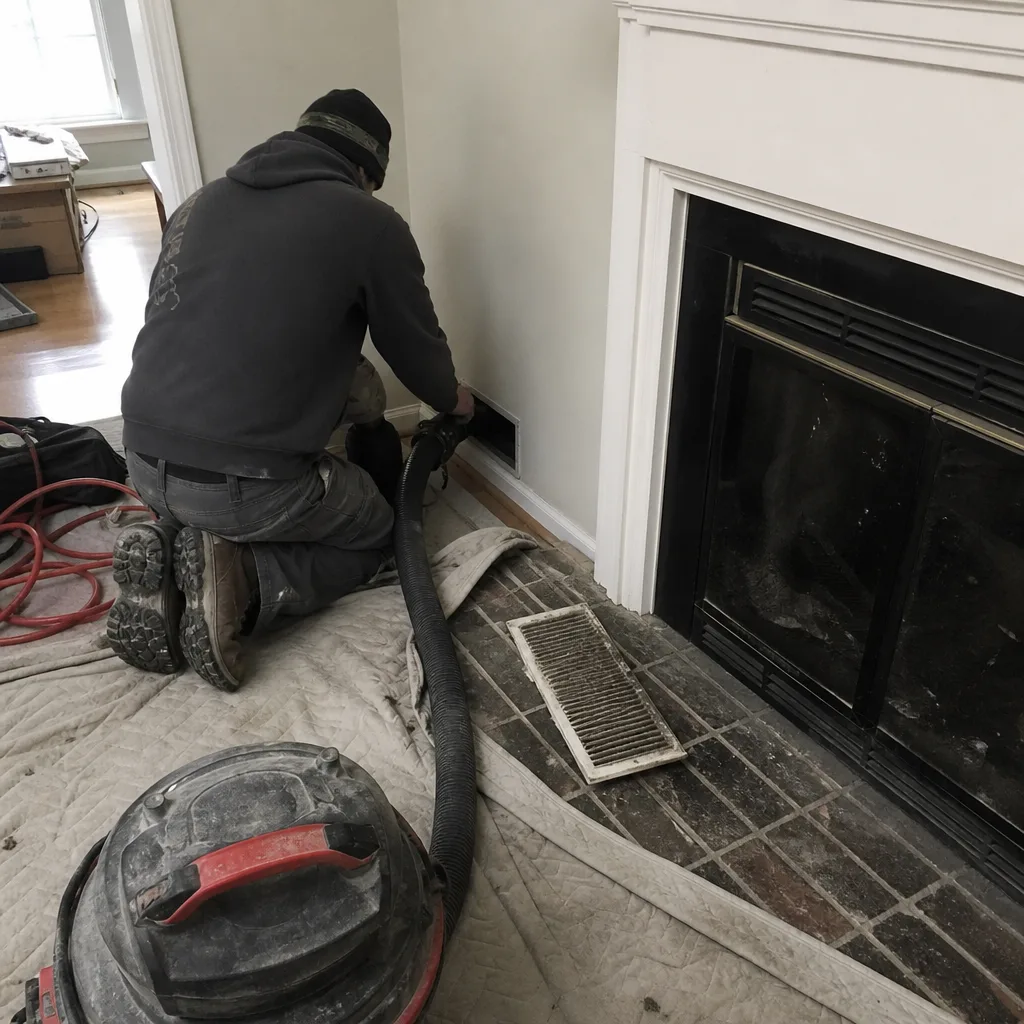 Before
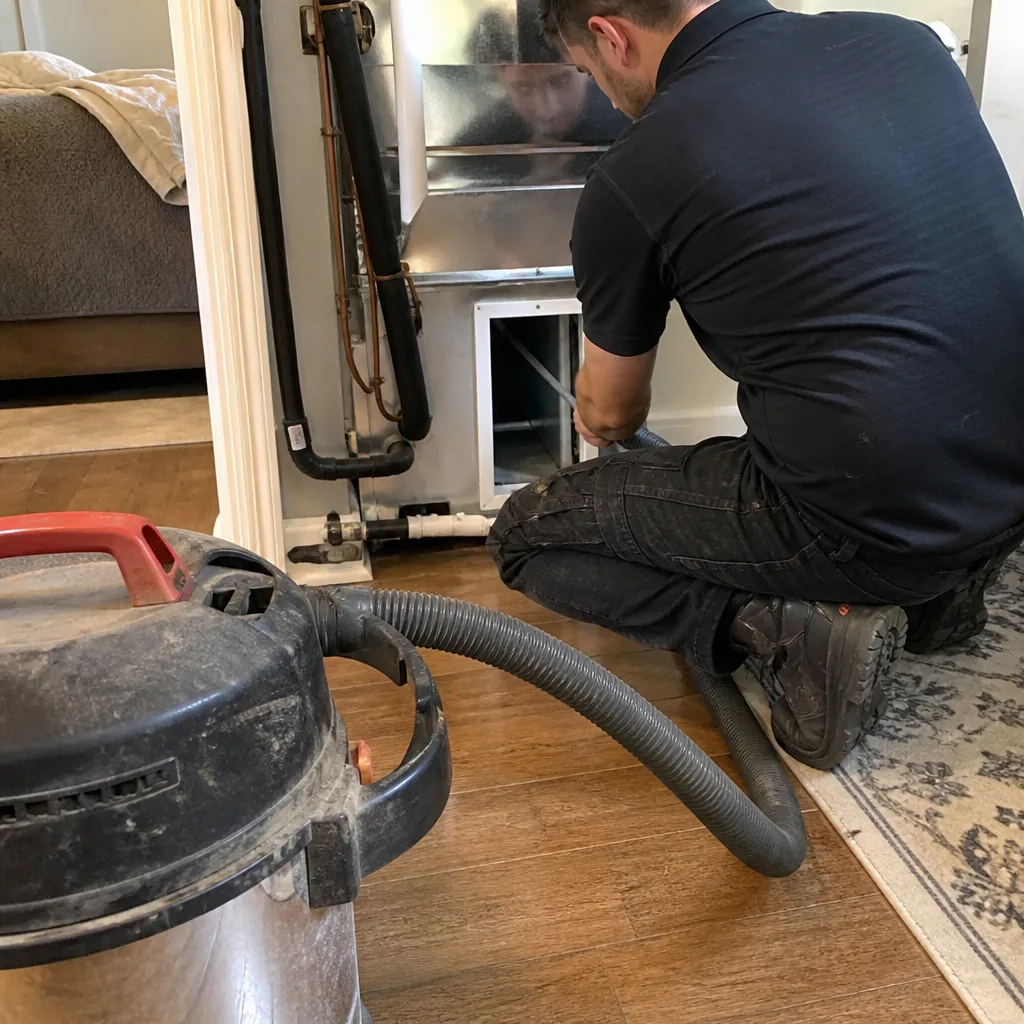 After
AfterAir Duct Cleaning Warning Signs: A Fairfax Homeowner’s Reference Guide
Musty smell from the vents is the warning sign every duct cleaning ad mentions, but in Fairfax’s humid Piedmont climate, that same smell often traces to a clogged condensate drain pan, a fouled evaporator coil, or condensation pooling inside insulated flex duct. None of these are fixed by vacuuming debris from a duct run. The homeowner who reacts to smell alone risks paying for a service that leaves the actual problem untouched. Our Complete Guide to Air Duct Cleaning in Fairfax replaces vague warnings with specific observations you can photograph, measure, and log, so you know whether to call a duct cleaner, an HVAC technician, or a moisture remediation specialist before anyone’s truck reaches your driveway.
Quick Answer
Warning signs that indicate actual duct contamination include visible debris accumulation at supply registers that returns within 30 days of cleaning, a persistent dust film on horizontal surfaces near return grilles, and room-to-room temperature swings exceeding 4°F that correlate with specific duct runs. Musty odors, water stains, or sudden airflow drops typically signal mechanical or moisture issues requiring HVAC repair, not duct cleaning alone. In Fairfax’s climate, seasonal humidity swings between 35% and 75% mean some register condensation is normal in July and August, but chronic moisture at any register is not.
Table of Contents
- What to Photograph at Registers and Return Grilles
- Normal Dust vs. Active Debris Accumulation
- Documenting Room-to-Room Static Pressure Imbalance
- Diagnosing Musty Odors: Duct, Coil, or Drain Pan
- How Fairfax’s Climate Creates False Warning Signs
- Three Warning Signs That Need an HVAC Contractor, Not a Duct Cleaner
- What a Documented Photo Record Should Show
- Common Mistakes to Avoid
BeforeAfterWhat to Photograph at Registers and Return Grilles
Before calling any professional, capture four specific images. These photographs save diagnostic time, prevent unnecessary service, and give you a baseline to compare against after any work is completed.
Supply Register Documentation
Remove the register cover and photograph the duct opening from two angles: straight-on to show the duct wall condition, and angled upward to capture the first elbow or boot connection. Look for these specific conditions:
- Dark, greasy buildup on the duct wall - indicates long-term bypass of the HVAC filter, often from a missing filter, a filter installed backwards, or a 1-inch filter slot paired with a high-MERV pleated filter that the system cannot draw air through effectively.
- Uniform gray coating - normal settled dust; cleanable with household methods and not evidence of system failure.
- Clumped or fibrous material - degraded duct liner, often found in flex duct installed before 2010 in Fairfax’s older neighborhoods like Mosby Woods or Blevinstown; this requires duct repair or replacement, not cleaning.
- Moisture sheen or rust at the boot - condensation issue, not contamination; photograph with timestamp for seasonal pattern tracking.
Return Grille Documentation
Return grilles tell a different story because they pull air inward. Photograph the grille face and, if accessible, the filter track behind it. Heavy accumulation on the grille face itself, rather than on the filter, suggests the filter is missing, incorrectly sized, or has collapsed from humidity exposure. In Fairfax, we see this frequently in homes built during the 2015-2020 construction surge, where builder-grade filters were often installed in undersized return plenums.
Visible Duct Sections
Basements and utility closets in Fairfax’s split-level and colonial-style homes often expose short sections of metal trunk line. Photograph any visible seams, especially at the plenum connection. Gaps wider than 1/8 inch indicate duct leakage that bypasses filtration entirely, pulling attic or crawl space air directly into the system. This is a sealing problem, not a cleaning problem, though the debris it introduces may also need removal.
Normal Dust vs. Active Debris Accumulation
The distinction determines whether cleaning is maintenance or repair. Here’s how to tell them apart without specialized equipment.
| Characteristic | Normal Settled Dust | Active Debris Accumulation |
|---|---|---|
| Location | Flat surfaces near any register, uniform distribution | Concentrated at specific registers, especially those farthest from the air handler |
| Texture | Fine, dry, easily wiped | Clumped, greasy, or fibrous; adheres to surfaces |
| Return interval | Gradual buildup over 2-4 weeks | Visible within 7-10 days after surface cleaning |
| Color | Light gray to tan | Dark gray, black, or with visible fibers/insulation particles |
| Odor | None | Musty or oily when disturbed |
Active debris accumulation indicates one of three system failures: filter bypass, duct leakage on the return side, or degraded internal duct lining shedding into the airstream. Cleaning without addressing the root cause produces the same result in 6-18 months. At CleanRun Air Duct Cleaning Fairfax home, we document the source condition in our photo record and note it in the written scope so the homeowner understands whether cleaning alone will solve the problem.
In the Air Duct Cleaning in Fairfax market, we’ve found that homes in the Mantua and Kings Park West areas, built during the 1970s and 1980s with original metal ductwork, show active accumulation at a higher rate than newer construction with flex duct, because metal seams separate over decades and the original duct liner degrades.
Documenting Room-to-Room Static Pressure Imbalance
Uneven heating or cooling is the warning sign homeowners feel rather than see. A $15 digital thermometer and a simple log transform this subjective complaint into measurable evidence.
Step-by-Step Temperature Logging
- Choose a standard measurement point in each room: center of the room, 48 inches above the floor, at least 3 feet from any register or exterior wall. Consistency matters more than precision.
- Record at three times daily for one week: 7 AM, 3 PM, and 10 PM. These capture the system’s response to overnight setback, afternoon solar gain, and evening recovery.
- Note the thermostat setting and outdoor temperature from any weather app for each reading.
- Calculate the room-to-thermostat differential for each measurement.
Interpret your log as follows:
- Differential under 3°F across all rooms - normal system variation; duct cleaning will not improve comfort.
- Consistent 4-7°F differential in specific rooms - likely duct restriction or leakage on the supply or return run serving those rooms; duct inspection and possible cleaning or sealing warranted.
- Differential over 7°F or worsening over time - possible equipment undersizing, failing blower motor, or significant duct separation; requires HVAC diagnostic, not duct cleaning alone.
- Differential that reverses seasonally (room too hot in summer, too cold in winter) - indicates inadequate return path for that room, common in Fairfax’s older split-foyer homes with single central returns; may require return duct addition, not cleaning.
Bring this log to any service appointment. A technician who dismisses it or claims to “just know” without reviewing your data is not operating from evidence. Haven Standard Clause 1 requires written pricing before work begins; your temperature log helps ensure that written scope addresses the actual problem.
Diagnosing Musty Odors: Duct, Coil, or Drain Pan
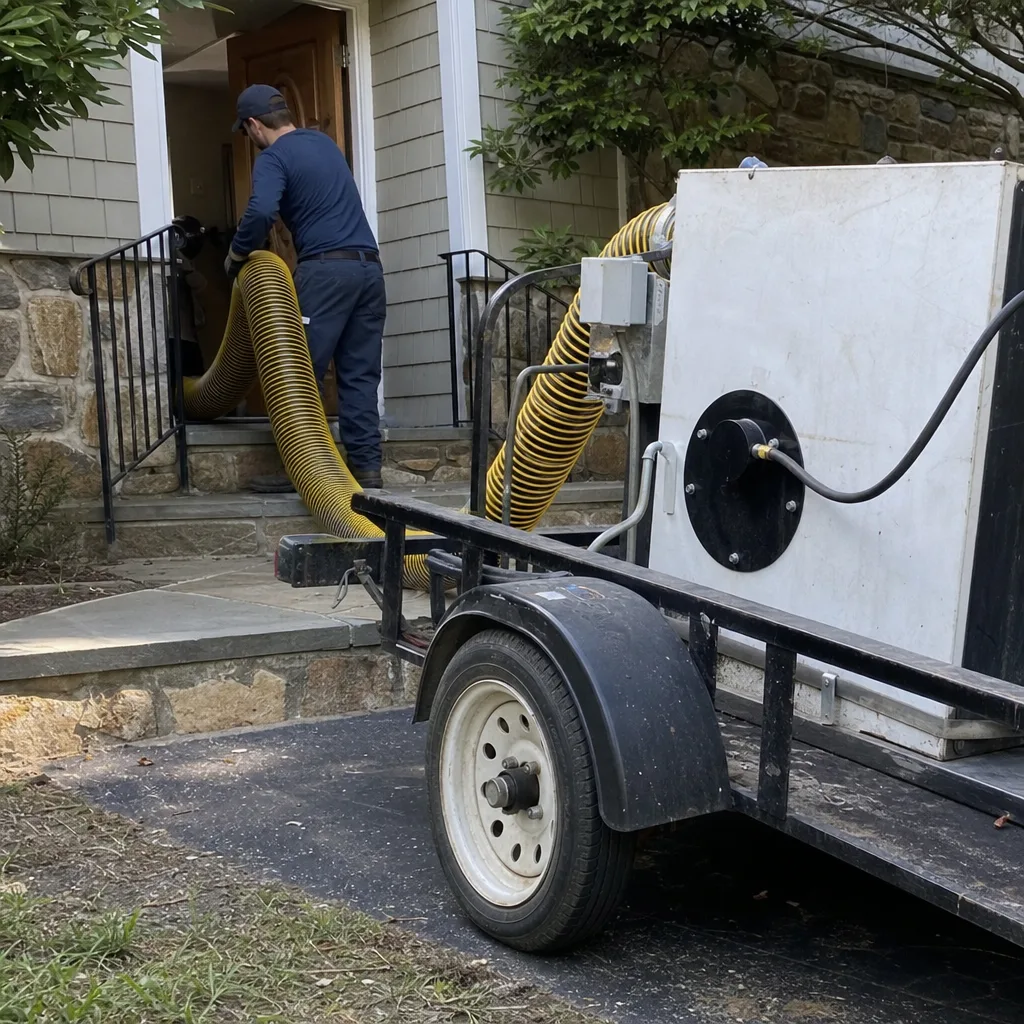
The musty odor that drives most duct cleaning inquiries has at least four distinct sources in Fairfax’s climate. Misidentification wastes money and leaves the smell intact.
Source 1: Evaporator Coil Fouling
The coil sits inside the air handler, downstream from where duct cleaning equipment reaches. Bacterial growth on a wet coil produces a sweet, damp odor that intensifies when the system first cycles on. To test: stand at the air handler with the blower running and sniff the filter slot or blower compartment. If the odor is stronger here than at distant registers, the coil needs cleaning, not the ducts. Coil cleaning requires HVAC service with foaming cleaner and proper drainage protection, not rotary brush equipment.
Source 2: Clogged Condensate Drain Pan
Standing water in the pan breeds microorganisms that release odor through the return path. In Fairfax, we see this most often in homes with attic-mounted air handlers where the secondary drain pan has no independent float switch, or where the primary drain line terminates at a foundation wall without proper trap or vent. The odor is sharper, more ammonia-like than coil fouling. Visible water in the secondary pan, or rust staining below the air handler, confirms this source. An HVAC technician must clear the drain and address the underlying drainage design.
Source 3: Duct Condensation
Insulated flex duct in unconditioned attic spaces can accumulate moisture on its exterior when the insulation vapor barrier fails, or on its interior when supply air temperature drops below the dew point of attic air entering through leaks. The odor is intermittent, correlating with high outdoor humidity. In Fairfax, this peaks in July and August when attic temperatures exceed 130°F and afternoon thunderstorms spike humidity. The fix is duct sealing and insulation repair, not interior cleaning.
Source 4: Actual Duct Contamination
Organic debris in the duct run itself decomposes and releases odor. This is the only source that duct cleaning addresses. Evidence includes: odor strongest at specific registers (not system-wide), visible debris accumulation at those same registers, and odor persistence after coil and drain pan service. Document which registers are affected before calling; it determines which duct runs need attention and protects against whole-system cleaning proposals when only two runs are contaminated.
How Fairfax’s Climate Creates False Warning Signs
Fairfax sits in the humid subtropical zone of Northern Virginia, with average July humidity at 68% and January humidity at 50%. This range creates conditions that mimic duct contamination but require different responses.
Seasonal register condensation: In late July and August, supply registers in well-cooled homes may show brief condensation during afternoon humidity spikes. This is normal if it dries within 2-3 hours and leaves no staining. Chronic condensation, or condensation outside these peak weeks, indicates supply air temperature too low (possible oversized equipment or excessive airflow restriction) or inadequate register insulation.
Rapid filter loading: Fairfax’s pollen season, March through May, loads filters faster than many manufacturer schedules assume. A filter that appears “dirty” after 45 days in April is performing correctly, not evidence of excessive household dust. Changing on a calendar schedule rather than visual inspection often wastes money and reduces filtration efficiency by installing clean filters before they’re needed.
Construction-era duct issues: Homes built in Fairfax’s 2015-2020 construction boom, particularly in neighborhoods like Fair Lakes and Fairfax Center, often used flex duct with minimal support spacing. Sagging creates low points where debris collects and moisture pools. The warning sign is reduced airflow at the affected register, sometimes accompanied by a slight whistle. This is a duct configuration issue; cleaning may temporarily improve airflow but the sag will recur.
Historic home characteristics: In neighborhoods like City of Fairfax Historic District, original plaster and lath construction sheds more particulate than drywall during any renovation. Homeowners in these properties often perceive normal post-renovation dust as a duct problem. A 30-day surface cleaning test, with photographic documentation, distinguishes renovation residue from ongoing system contribution.
Three Warning Signs That Need an HVAC Contractor, Not a Duct Cleaner
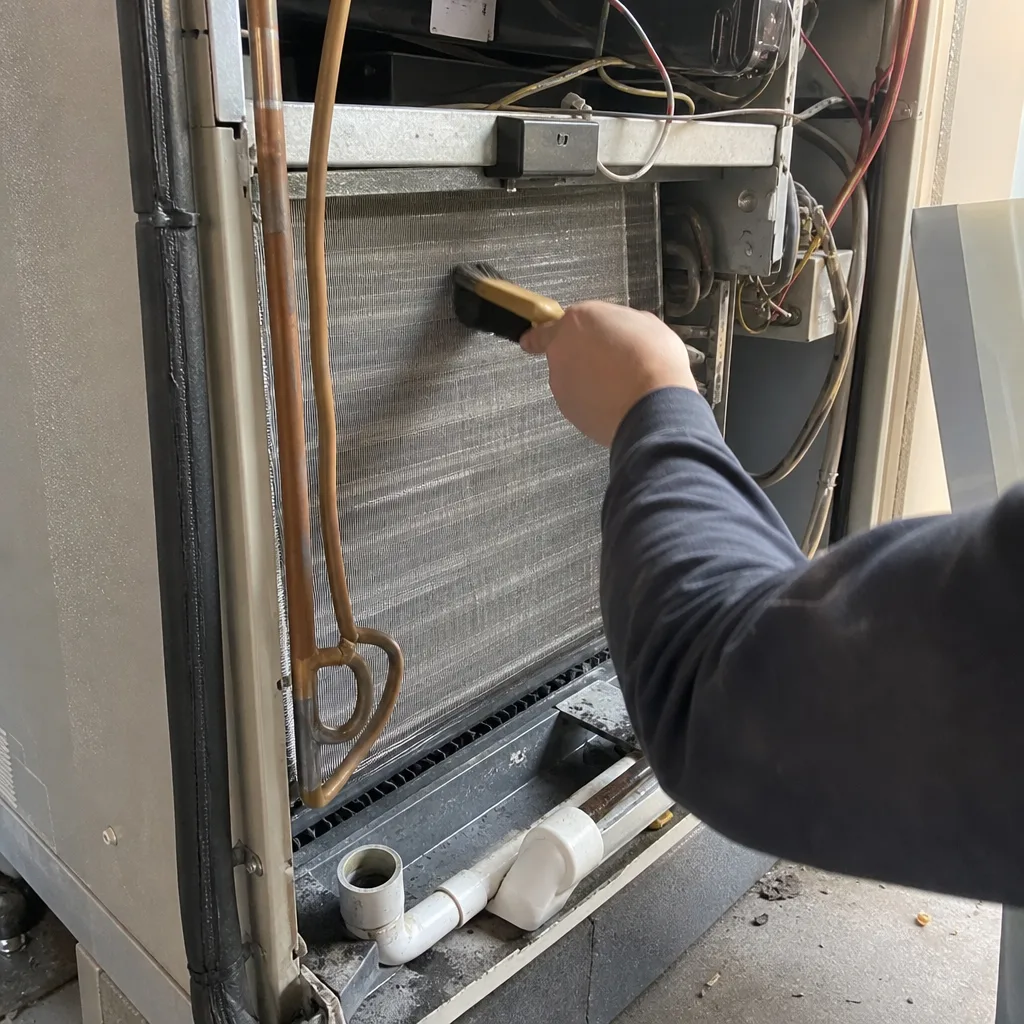
Some conditions require immediate HVAC service and may worsen if duct cleaning is performed first. Recognize these and route the call correctly.
1. Visible Mold at the Air Handler
Mold on the blower housing, coil support frame, or inside the plenum indicates a moisture control failure that will recontaminate any cleaned ducts within weeks. Duct cleaning disperses spores during the process. The correct sequence is: HVAC technician addresses moisture source and treats affected mechanical components; then, if duct testing confirms contamination, duct cleaning follows. Photograph any visible growth with scale reference (coin or ruler) before disturbing it.
2. Vermin Evidence at the Plenum
Droppings, nesting material, or grease marks at the plenum connection indicate duct entry points that must be sealed before any interior work. Cleaning without exclusion traps odor and debris in inaccessible sections and invites re-infestation. In Fairfax, we see this in homes near wooded areas like Daniels Run Park or Accotink Creek watershed, where squirrels and raccoons access roofline gaps. HVAC or pest control handles exclusion; duct cleaning follows.
3. Supply-Return Pressure Reversal
If closing a bedroom door causes the door to resist opening, or if air blows outward from the return grille when the system cycles off, the supply and return paths are imbalanced. This forces conditioned air through building cavities and can pull attic or crawl space air into return leaks. The fix is return path improvement and duct sealing, not cleaning. Pressure reversal also accelerates filter loading and coil fouling by changing system airflow patterns.
What a Documented Photo Record Should Show
Any duct cleaning service that cannot produce before-and-after images of every duct run is selling vacuum noise, not verifiable work. Here’s what the documentation should include and how to evaluate it.
A complete photo record from a professional service includes:
- Wide-angle image of each register location before work begins, showing surrounding room context
- Close-up of the duct opening interior, with visible debris or condition
- Equivalent close-up after cleaning, from the same angle and distance
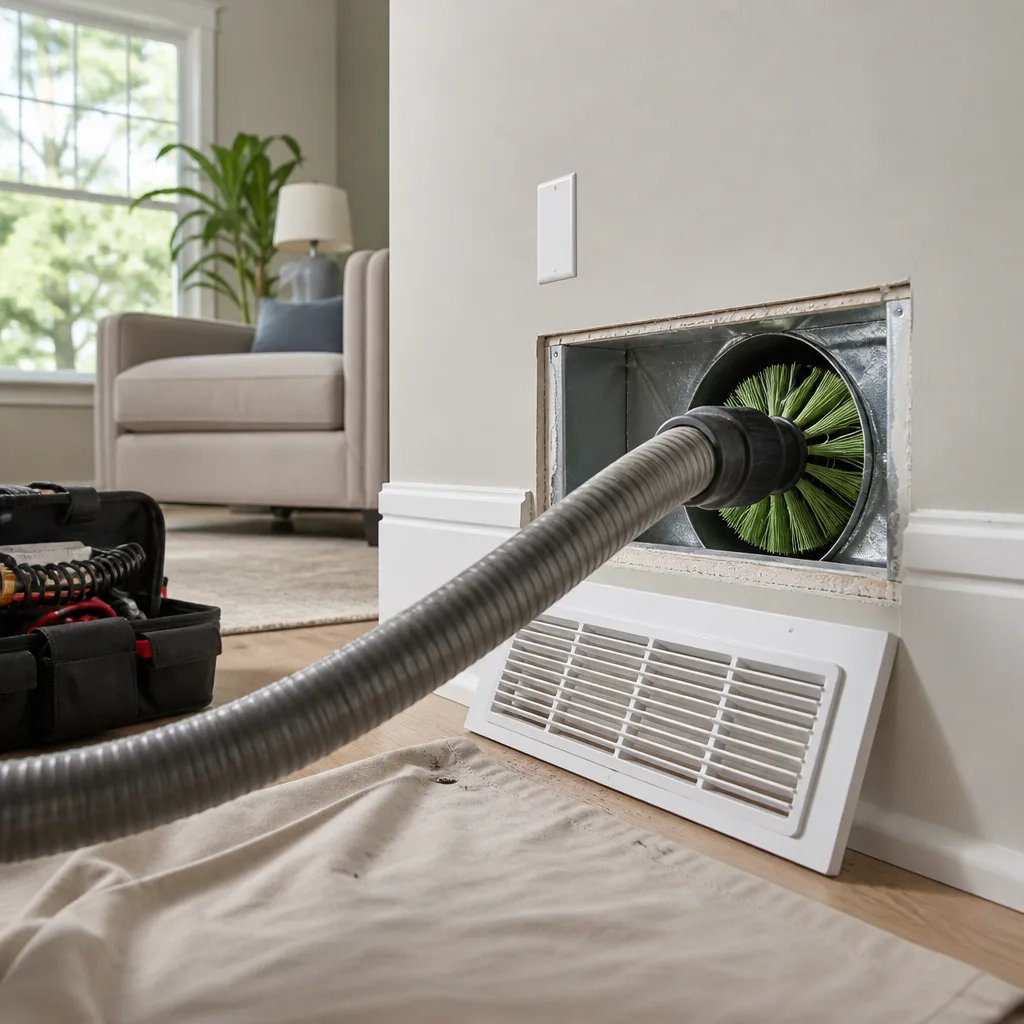
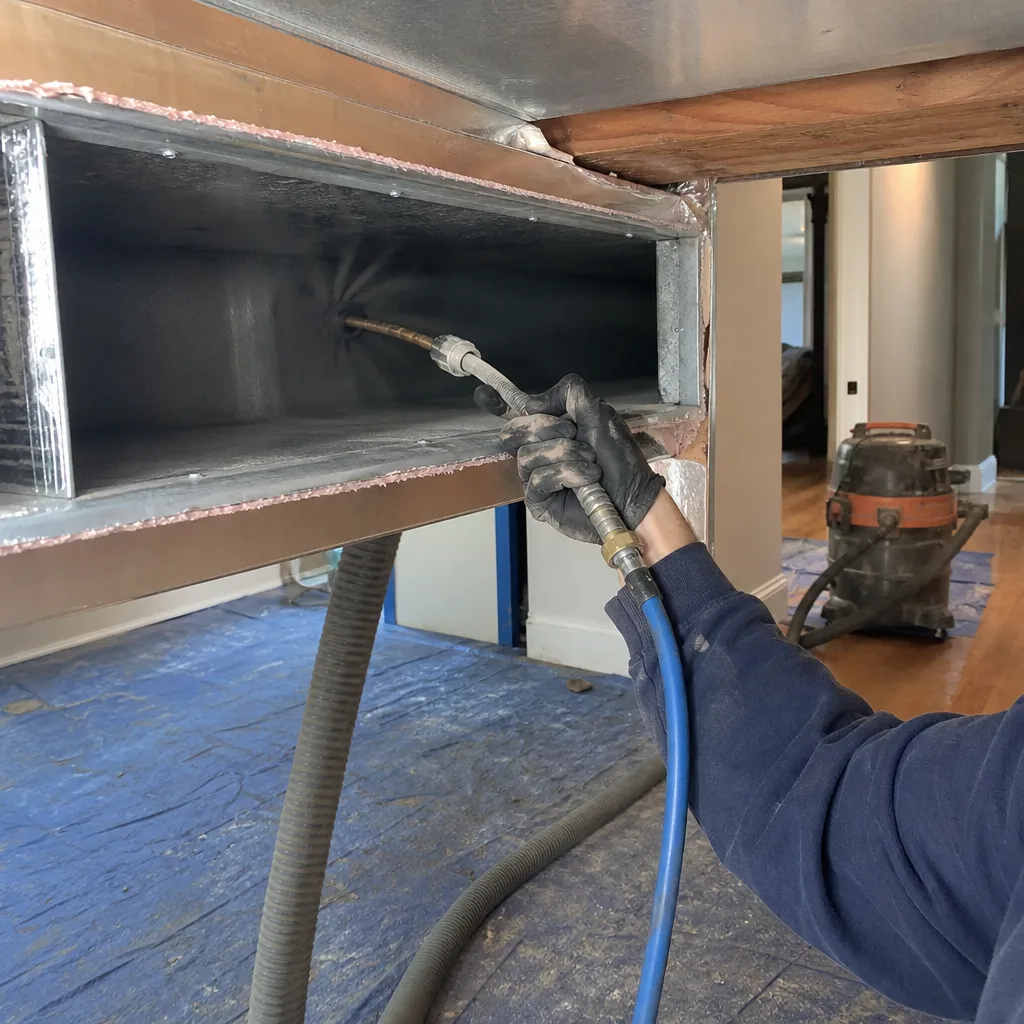
- Image of the equipment access point (main trunk opening or plenum connection) showing the cleaning tool insertion
- Filter condition image at service start, with date stamp
- Written scope summary referencing the specific duct runs cleaned and any conditions found
Evaluate the after images critically. A properly cleaned metal duct shows uniform metallic gray or silver color, with no visible debris at seams or elbows. Flex duct shows clean interior surface without liner degradation. Shadows and angles should match the before images; mismatched perspectives may hide uncleaned sections.
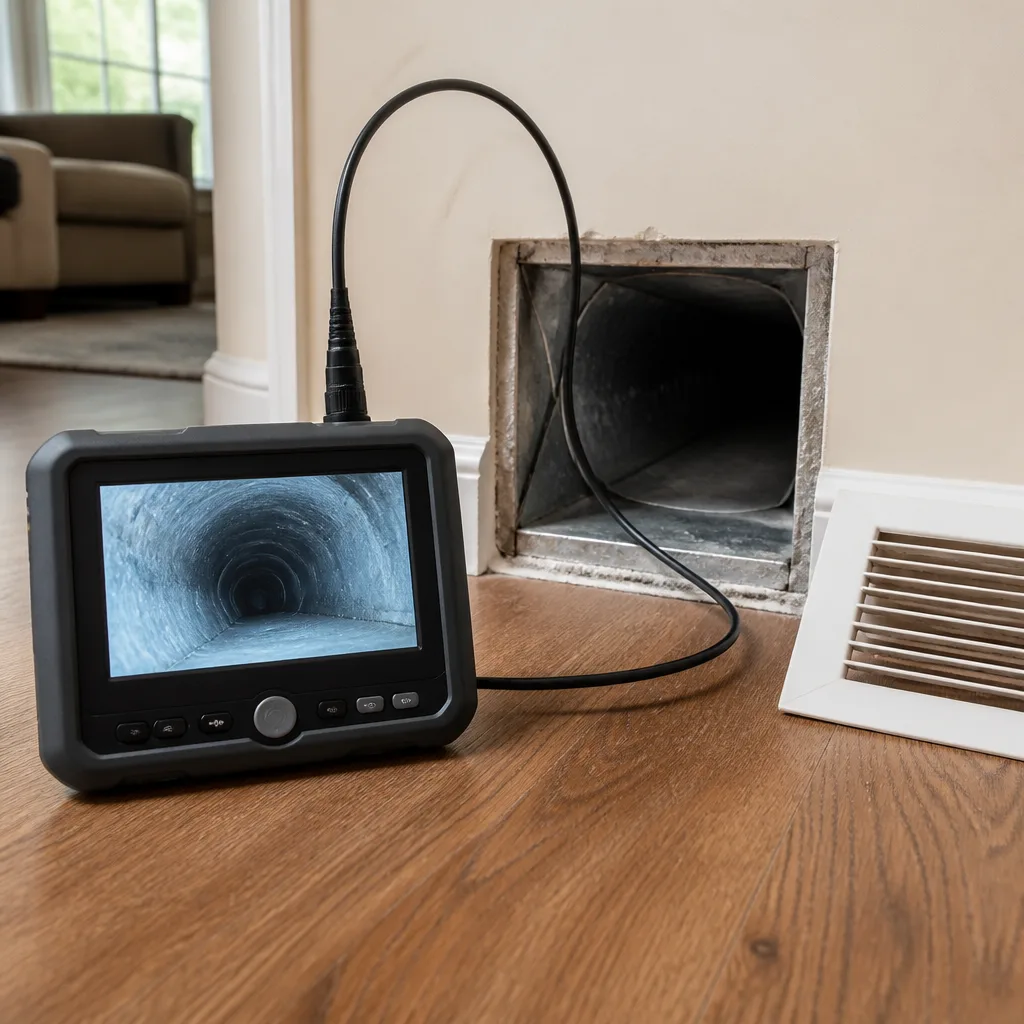
At CleanRun Air Duct Cleaning Fairfax, our Documented Photo Record is delivered as part of the standard job record, not as an add-on. Every run is photographed with a Nikro inspection camera before and after negative-pressure extraction. The images are timestamped and referenced to the written scope. This practice has been standard since our first job in 2013, and it is the basis of the 365-Day Done Right Promise: if the work is not right, we make it right, backed in writing on every job.
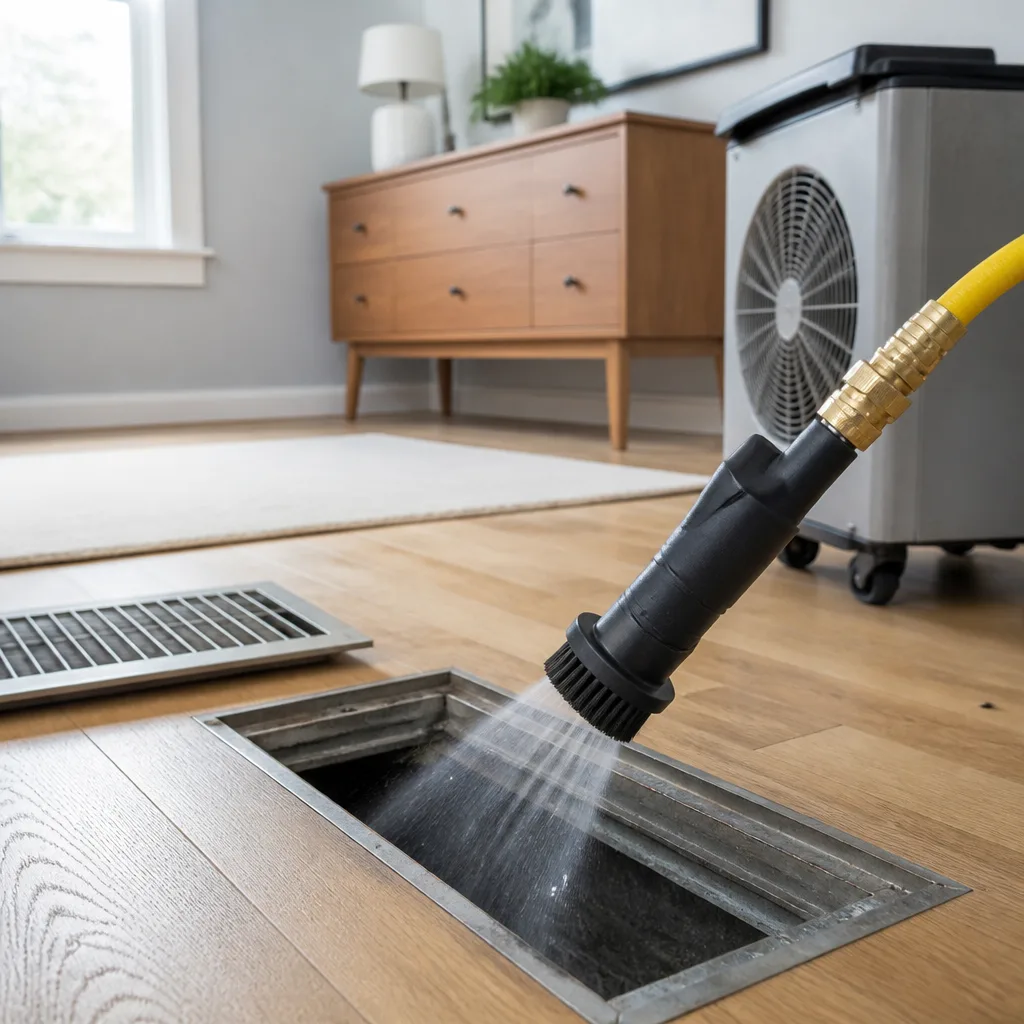
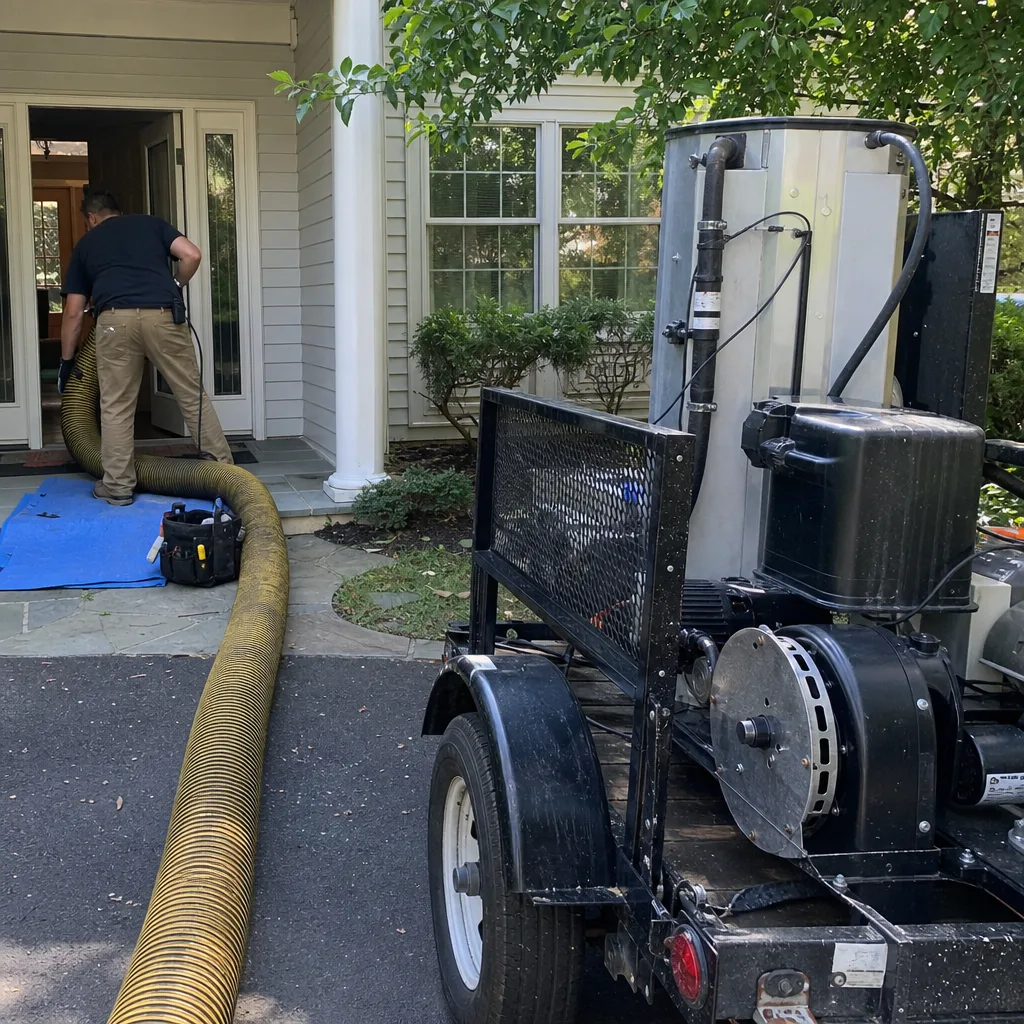
Equipment matters for verifiable results. Our crews use Rotobrush rotary brush systems for mechanical agitation in metal duct, Nikro negative-pressure extractors for debris containment, and Abatement Technologies HEPA filtration for exhaust air. These are trade-recognized brands customers can research independently. A technician who cannot name their equipment brand or who describes it only as “commercial grade” is not operating transparently.
Common Mistakes to Avoid
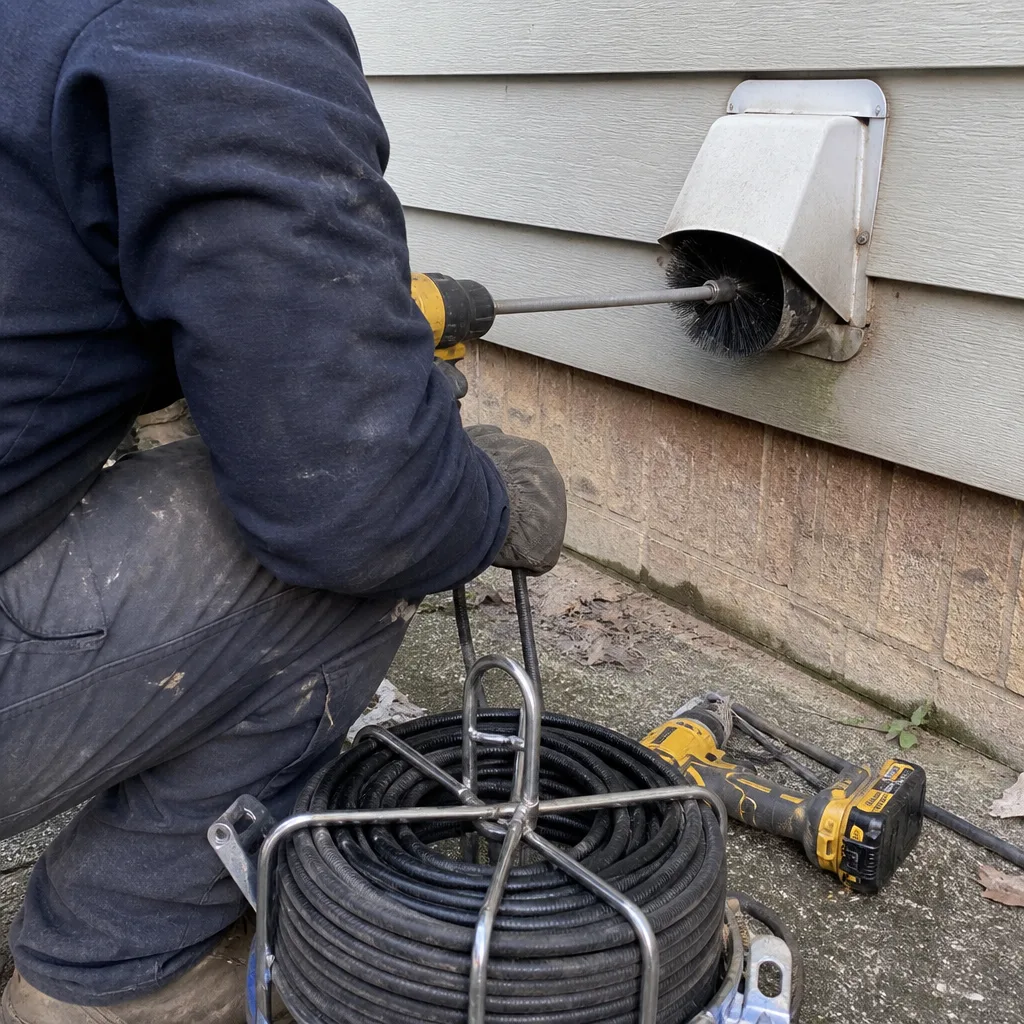
- Reacting to smell without locating the source. Musty odor from a Fairfax home’s vents in August is more likely drain pan or coil than duct debris. Photograph the air handler area and note whether the odor intensifies at the handler or at distant registers before calling any service.
- Accepting per-vent pricing. Per-vent quotes incentivize unnecessary runs and obscure true cost. Insist on whole-system written pricing before work begins, per Haven Standard Clause 1. CleanRun provides one flat price per system, agreed in writing before any panel is removed.
- Cleaning without addressing the filter system. A missing filter, wrong-size filter, or collapsed filter will recontaminate ducts within months. Verify filter fit and condition before scheduling cleaning, and replace as part of the service scope if needed.
- Ignoring seasonal patterns. Fairfax’s humidity means some register condensation in July is normal. Documenting the same condition in November indicates a problem. Track timing with photographs before concluding duct service is needed.
- Hiring based on coupon price alone. The Fairfax market sees $79 duct cleaning offers that arrive with shop-vac equipment and no photo documentation. The actual invoice often exceeds $400 after “discovered” conditions. Written upfront pricing with equipment brand disclosure prevents this.
- Skipping the temperature log. Subjective comfort complaints lead to subjective solutions. A week of measured data converts “this room is always cold” into “bedroom 2 runs 6°F below thermostat,” which points to a specific duct run and prevents whole-system proposals.
- Confusing duct cleaning with HVAC maintenance. Coil cleaning, drain pan treatment, and blower wheel service are HVAC tasks, not duct cleaning tasks. A duct cleaner who proposes these without HVAC credentials is operating outside their scope.
When to Call a Professional
Call an HVAC contractor first if you observe visible mold at the air handler, vermin evidence at the plenum, supply-return pressure reversal, or a musty odor strongest at the blower compartment rather than distant registers. These indicate mechanical or moisture failures that duct cleaning cannot resolve and may aggravate.
Call a professional for Air Duct Cleaning services when you have documented active debris accumulation at specific registers, room-to-room temperature differentials exceeding 4°F that correlate with specific duct runs, or verified duct contamination following HVAC repair of an underlying moisture or mechanical issue. Bring your photographs, temperature log, and any previous service records to the estimate.
CleanRun Air Duct Cleaning Fairfax offers free estimates in Fairfax. Every estimate includes a written price before work begins, under Haven Standard Clause 1, with no call-for-quote step. We also provide a Free Second Opinion on any written estimate from another provider, putting our number next to theirs so you can compare scope and equipment directly. Call (571) 526-0015 to schedule.
Frequently Asked Questions
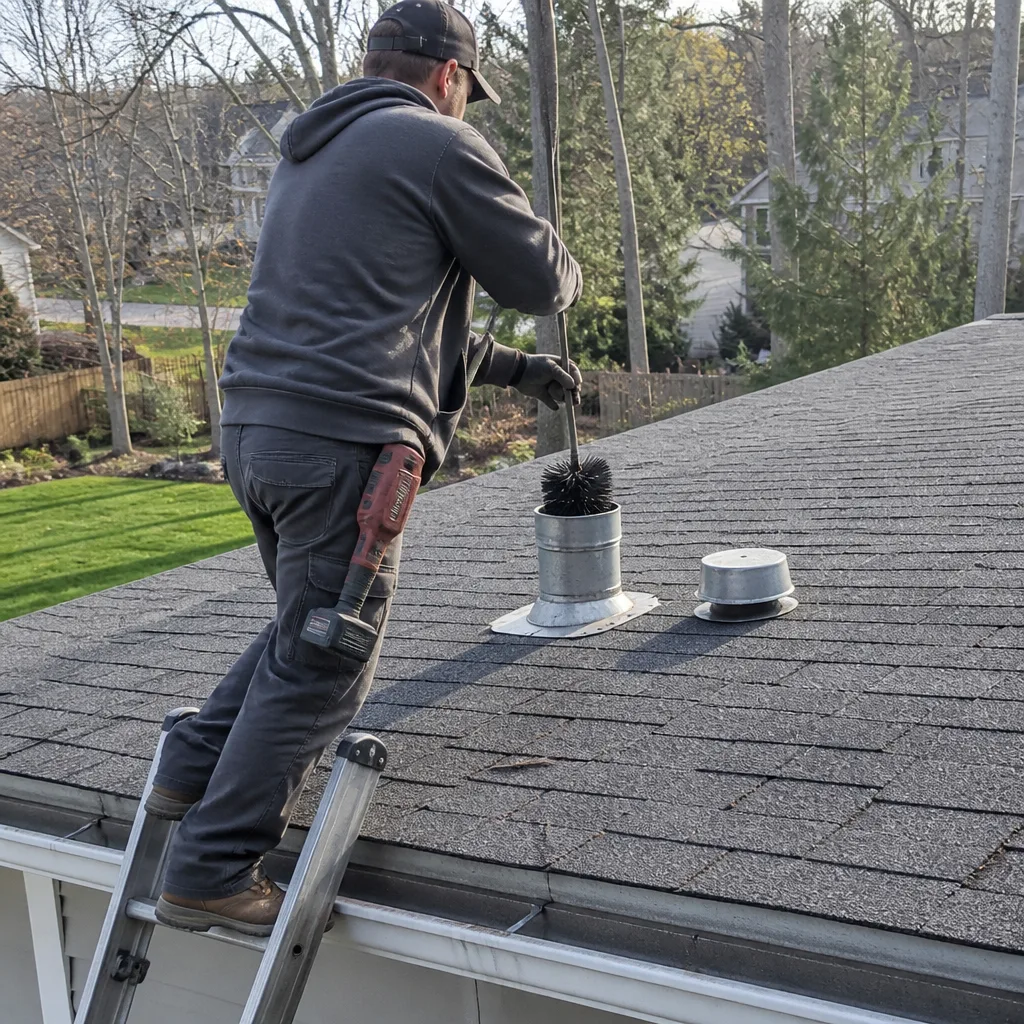
Whole-system air duct cleaning in Fairfax typically ranges from $450 to $850 for a single-family home with one HVAC system, depending on duct accessibility, number of runs, and whether dryer vent or HVAC cleaning is included. Add-on services like sanitizing or coil cleaning, when appropriate, add $150 to $300. CleanRun provides one flat price per system in writing before work starts, with no per-vent charges. Call (571) 526-0015 for an exact quote, estimates are free.
Low quotes typically exclude equipment that reaches the full duct run, use portable shop-vac units rather than truck-mounted or dedicated negative-pressure systems, and omit photo documentation. The $79 to $149 offers common in Fairfax often arrive as bait-and-switch operations where the technician “discovers” additional charges once inside the home. A legitimate quote specifies the equipment brand (such as Rotobrush, Nikro, or Abatement Technologies), includes before-and-after photo documentation, and provides one flat system price with no per-vent add-ons.
Demand a documented photo record of every duct run, before and after, with timestamps and register location references. The after images should show clean duct walls at the same angles as the before images. At CleanRun, this record is standard on every visit, delivered as part of the job documentation, and backed by the 365-Day Done Right Promise. If a provider cannot or will not produce this documentation, the work is not verifiable.
For most Fairfax homes with proper filtration and no duct leakage, cleaning every 5 to 7 years is sufficient. Homes with pets that shed heavily, recent renovation, or documented filter bypass may need service every 3 to 4 years. More frequent cleaning is rarely necessary and may indicate an unresolved mechanical issue. Track register condition with annual photographs to establish your home’s actual interval rather than accepting a calendar-based sales pitch.
Homeowners can maintain registers and replace filters, but interior duct cleaning requires specialized equipment, as explained in our DIY vs Professional Air Duct Cleaning: The Fairfax Homeowner’s Decision Guide. More importantly, DIY duct disturbance without negative-pressure containment can release accumulated debris into living spaces. For homes built before 1990 in Fairfax, there’s also risk of disturbing asbestos-containing duct tape or insulation. Professional service with proper containment and disposal is the safer approach. CleanRun technicians are background-checked and uniformed under Haven Standard Clause 3: Verified Crews, with license number published on every proposal.
Fairfax’s humid summers accelerate biological growth in duct systems with moisture intrusion, but the climate itself does not increase particulate accumulation. The greater risk is false diagnosis: humidity-related conditions like register condensation or coil fouling are often mistaken for duct contamination. Seasonal awareness and photographic documentation prevent unnecessary service. In our experience across Fairfax’s neighborhoods from Mantua to Fair Lakes, homes with proper filtration and sealed ductwork show minimal accumulation regardless of climate.
The Bottom Line
For more guides & resources on warning signs, learn how they become useful only when they’re documented, categorized, and matched to the right professional. Photograph your registers and returns, log your room temperatures for one week, and note where odors are strongest before making any call. Distinguish duct contamination from HVAC mechanical issues and moisture problems. Demand written pricing, equipment brand disclosure, and a documented photo record before any work begins. In Fairfax’s service market, the homeowner who arrives with evidence gets accurate scope and fair pricing; the homeowner who reacts to smell alone gets whatever proposal the technician’s commission structure favors.
Written by Tomas Reyes, Owner at CleanRun Air Duct Cleaning Fairfax, serving Fairfax since 2013.