
Last updated September 23, 2026
Whole-system duct and dryer vent check with before-and-after photos - you see exactly what came out of your vents
That "$99 whole-house special" is a bait ad - the real number appears once they are in your hallway, or the "clean" is a shop-vac at the register. We photograph the inside of your ducts before and after instead.
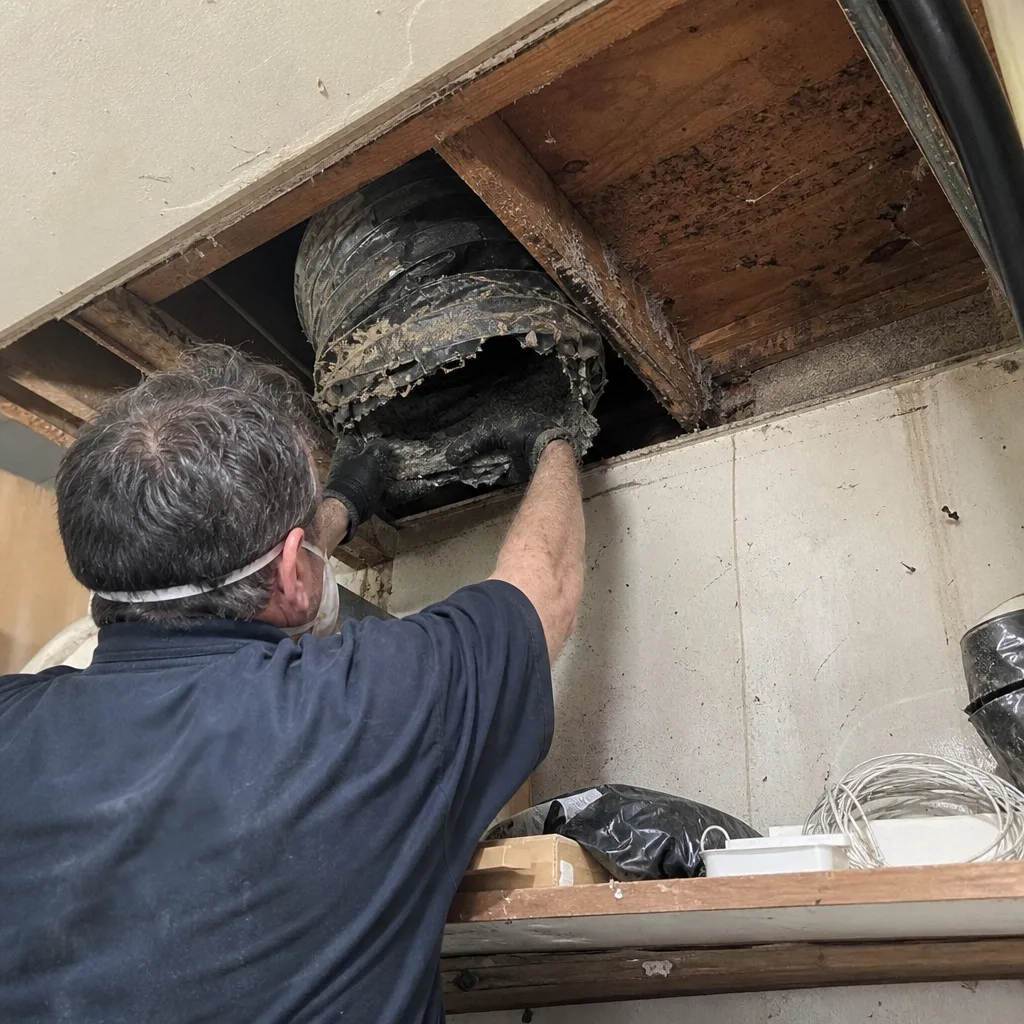 Before
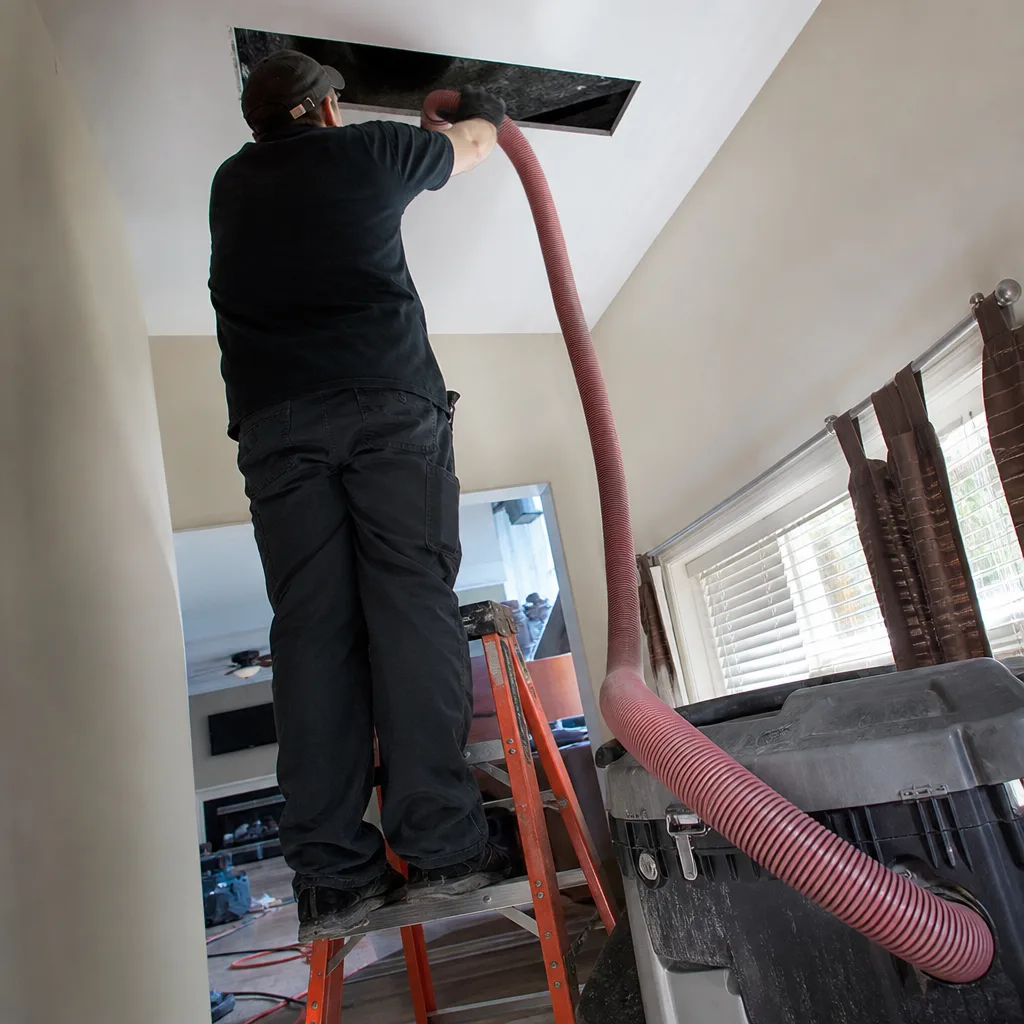 After
After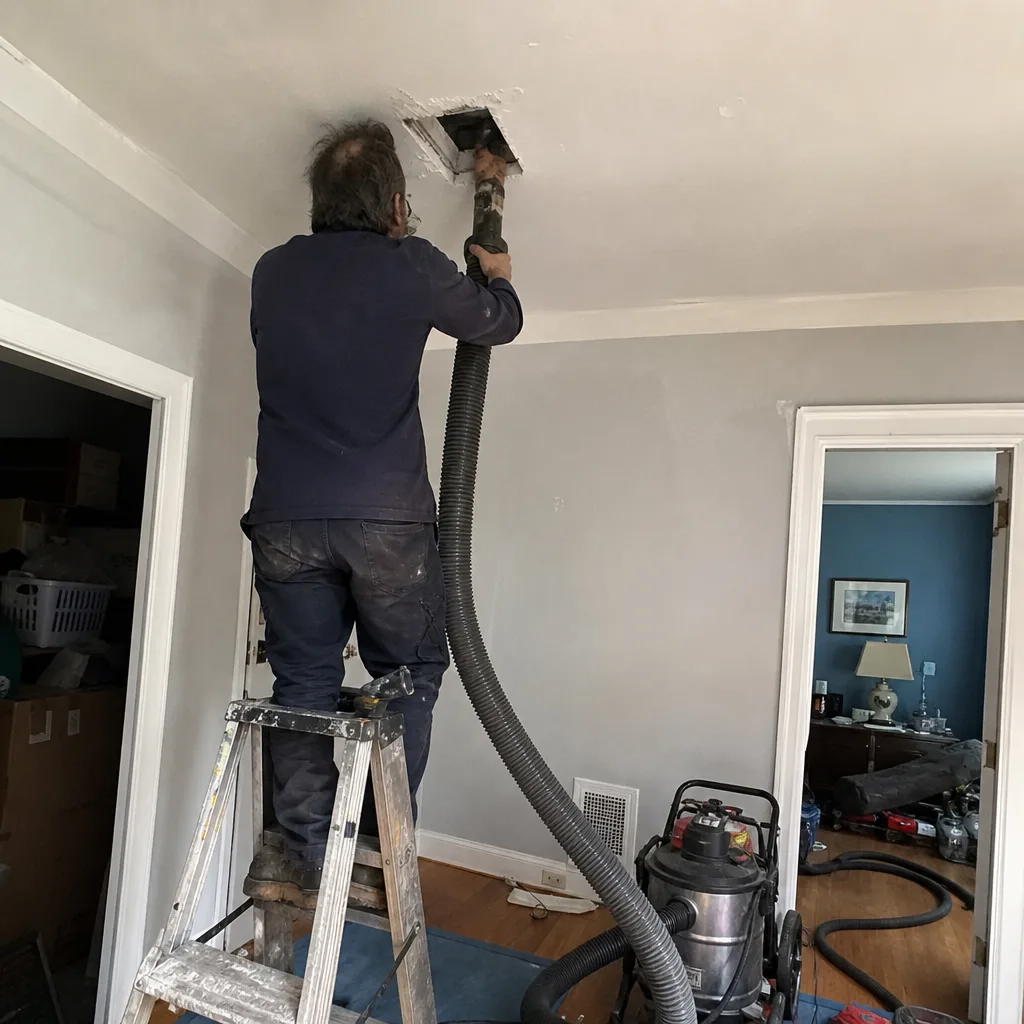 Before
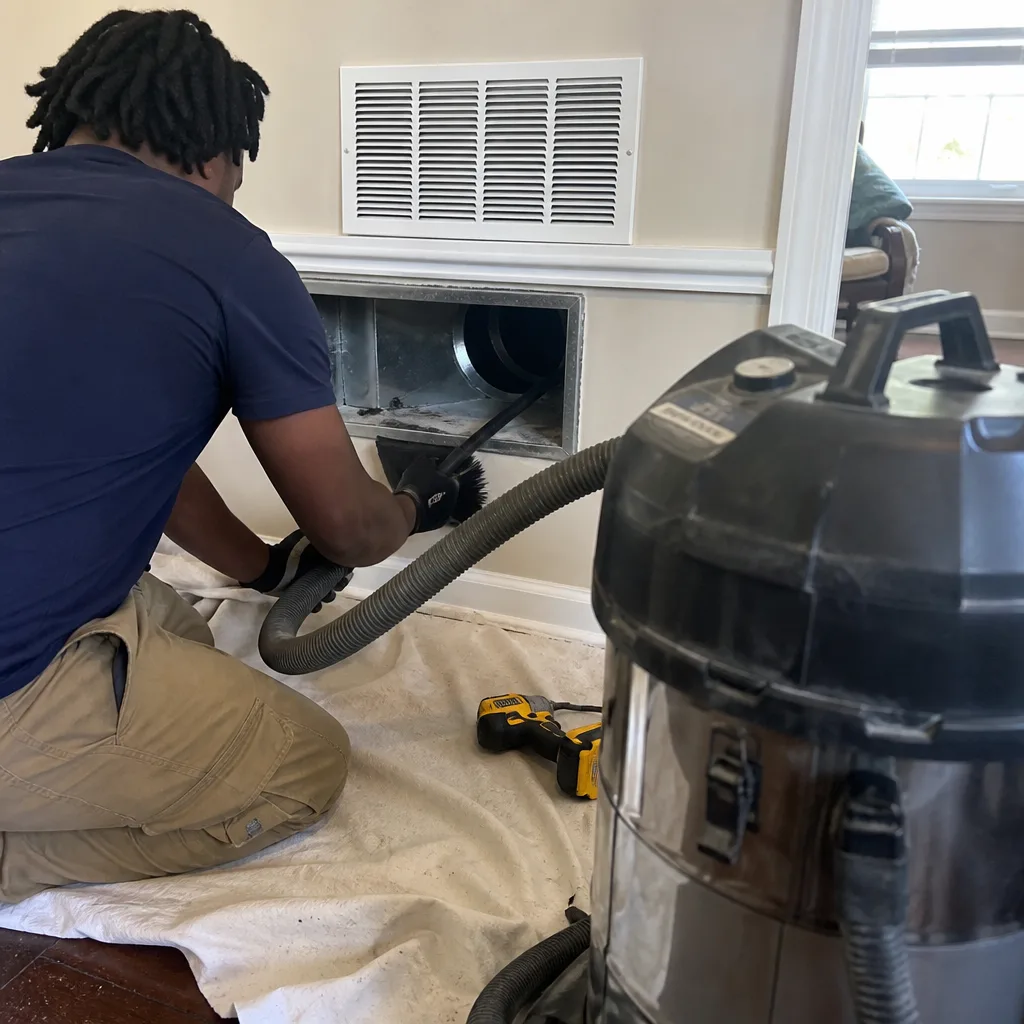 After
After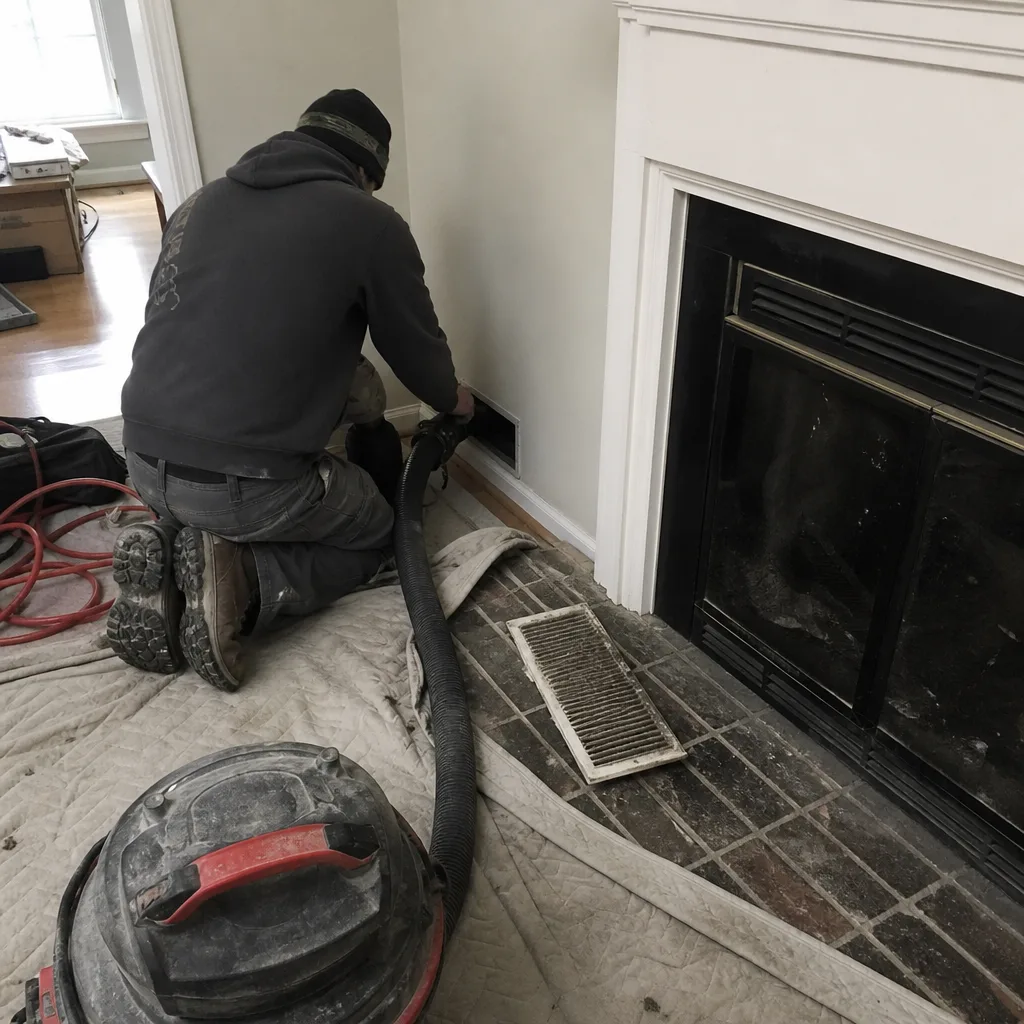 Before
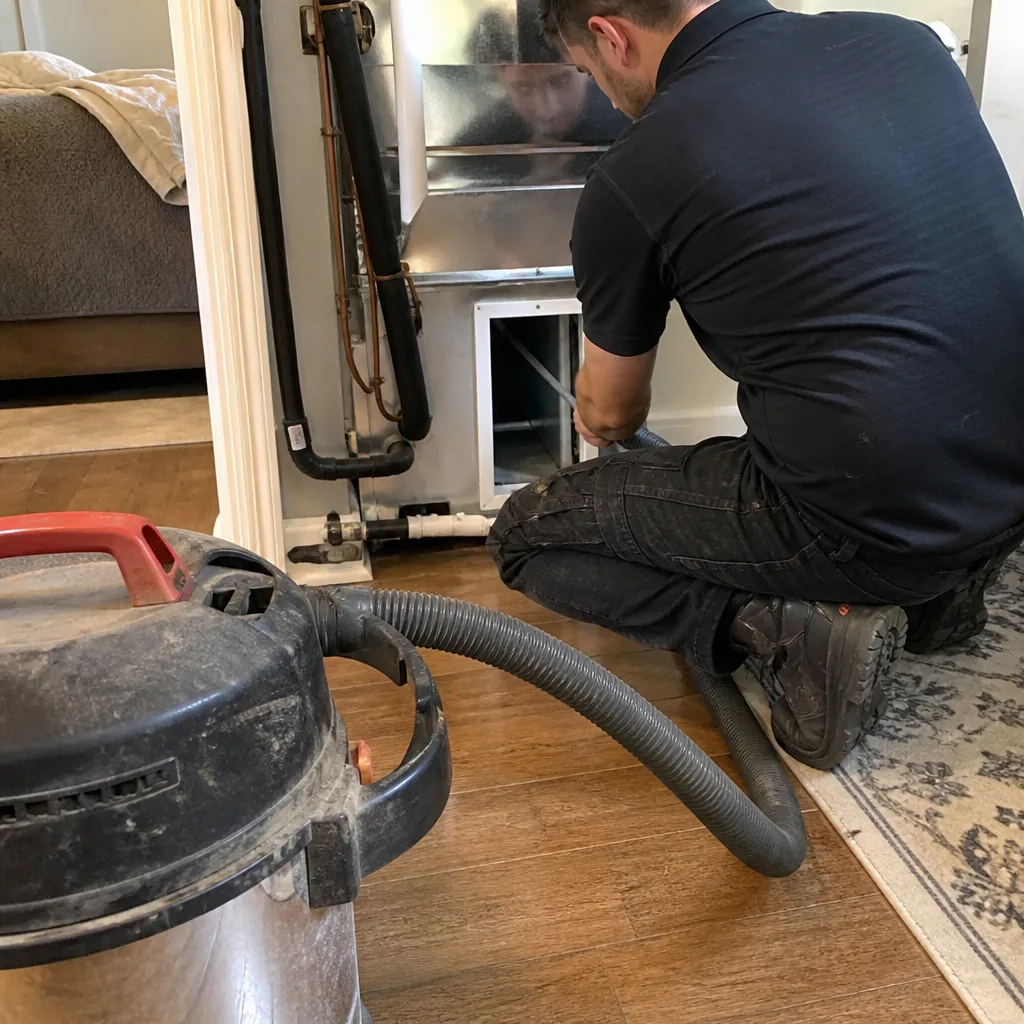 After
AfterThe Complete Guide to Air Duct Cleaning in Fairfax
The EPA has stated directly that duct cleaning has never been proven to prevent health problems. That single sentence dismantles most of what you’ll read on coupon mailers and door hangers across Fairfax. Yet the ductwork in a typical Northern Virginia home built between 2015 and 2020 often contains measurable debris that restricts airflow, strains HVAC equipment, and recirculates particulates the filter never touched. This Air Duct Cleaning guide replaces the sales pitch with a documented framework: what’s actually inside your duct system, what each cleaning step does to it, and what a finished job produces in writing. If you own a home in Fairfax, Oakton, or the Mosaic District corridor, you’ll learn how to verify that the work was real, not just vacuum noise.
Quick Answer
Professional air duct cleaning in Fairfax typically costs $400-$900 for a complete residential system, takes 3-5 hours, and should produce timestamped before-and-after photos of every duct run plus a written scope of work. A legitimate job follows NADCA’s ACR standard, uses negative-pressure extraction equipment, and never begins without a fixed written price.
Table of Contents
- What the EPA Statement Really Means for Fairfax Homeowners
- What’s Actually Inside Fairfax Ducts: The Five Most Common Contaminants
- The NADCA ACR Standard: What Technicians Must Do, Step by Step
- What a Legitimate Pre-Cleaning Inspection Involves
- Source Removal vs. Contact Vacuuming: The Critical Difference
- What a Completed Job Documentation Package Should Contain
- Air Duct Cleaning Cost in Fairfax: Real Numbers
- Common Mistakes to Avoid
- When to Call a Professional
- Frequently Asked Questions
- The Bottom Line
BeforeAfterWhat the EPA Statement Really Means for Fairfax Homeowners
The EPA’s position is narrower than most homeowners assume. The agency does not claim duct cleaning is useless. It states that no study has proven duct cleaning prevents respiratory illness. That’s a crucial distinction, especially in Fairfax, where the CleanRun Air Duct Cleaning Fairfax home team has documented restricted airflow in over 52,000 homes since 2013.
What the EPA’s statement actually protects you from is the $79 coupon industry’s favorite claim: that duct cleaning will cure your allergies, eliminate asthma triggers, or prevent colds. Those claims are unprovable and, in many jurisdictions, violate advertising standards. What is provable, and what we photograph on every job, is that debris accumulation reduces static pressure, forces blower motors to run longer, and deposits material at registers that a standard 1-inch pleated filter cannot capture.
In Fairfax’s climate, the issue is compounded by humidity cycling. Summer dew points regularly hit 70°F, and winter heating dries the air to 25% relative humidity. That expansion and contraction loosens particulate matter from duct seams and insulation. The debris doesn’t cause disease, but it does recirculate, coat evaporator coils, and shorten equipment life. The EPA’s warning about health claims shouldn’t stop you from addressing a measurable mechanical problem.
The practical takeaway: demand evidence, not health promises. Any technician who leads with allergy relief instead of airflow data is selling something the EPA says cannot be proven.
What’s Actually Inside Fairfax Ducts: The Five Most Common Contaminants
Since 2013, we’ve photographed the interior of duct systems across Fairfax, from 1960s ranches in Mantua to new construction in the Mosaic District. The debris profile varies by neighborhood age, construction quality, and renovation history. Here are the five contaminants we document most often, and why each requires a different removal approach.
Drywall dust from post-purchase renovations. Fairfax’s housing stock turned over heavily between 2015 and 2022, and many new owners renovated before moving in. Drywall dust is extremely fine, often below 10 microns, and settles in the plenum (the main distribution box attached to your air handler) where standard vacuum attachments can’t reach. Removal requires high-velocity compressed air whips or skipper balls driven through the duct run under negative pressure.
Cellulose from blown-in insulation. Popular in Fairfax attic retrofits, cellulose breaks down and enters return ducts through unsealed boot connections. It’s lightweight and electrostatic, so it clings to duct walls. Contact vacuuming, the method most coupon companies use, simply pushes it deeper. Source removal with a Rotobrush or Nikro negative-pressure system is required to dislodge and extract it.
Pet dander and hair accumulations. In homes with multiple pets, we regularly find 1- to 3-inch mats at the first elbow of return duct runs. Hair wraps around damper hardware and restricts airflow by 15-30%. This material must be mechanically agitated before extraction; negative pressure alone won’t remove it.
Construction debris in new builds. Even homes built in 2022 and 2023 contain surprising amounts of wood chips, drywall scraps, and fastener packaging left by trades during rough-in. In the Fairfax County market, where new construction premiums run high, buyers often assume a new home has clean ducts. Our camera inspections show otherwise. The debris is typically concentrated in the main trunk, accessible only through the plenum or large service openings.
Biological growth on evaporator coils and drip pans. Fairfax’s humid summers create conditions for microbial growth on coils and in condensate pans. This isn’t “black mold” in the ducts, but it does produce odor and can spread to the supply plenum. Cleaning the coils is a separate procedure from duct cleaning, though both use similar equipment. A complete job addresses the coil, pan, and primary drain line.
Each contaminant responds to a specific tool and technique. A technician who arrives with one machine and one method cannot properly address all five.
The NADCA ACR Standard: What Technicians Must Do, Step by Step
NADCA, the National Air Duct Cleaners Association, publishes the ACR standard that defines a complete cleaning. Most Fairfax homeowners have never read it. Here’s what it requires, in sequence, so you can verify compliance while the crew is in your home.
- Protect the work area. Drop cloths at all entry points, corner guards on walls, and floor protection from the entry door to the air handler. The standard specifically requires protection of finished surfaces.
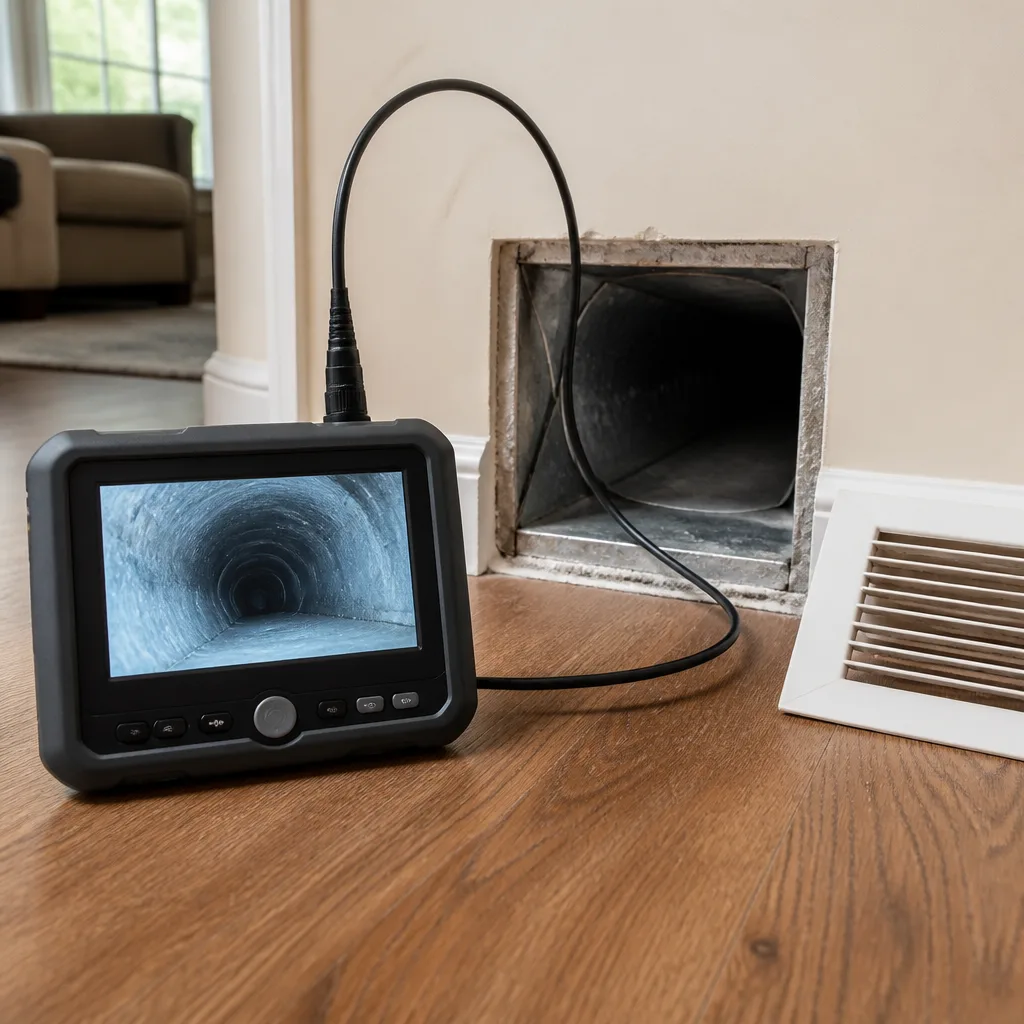
- Inspect the system before cleaning. This means camera footage, static pressure readings at the air handler, and visual assessment of the filter slot. Not a flashlight glance. Documented footage.
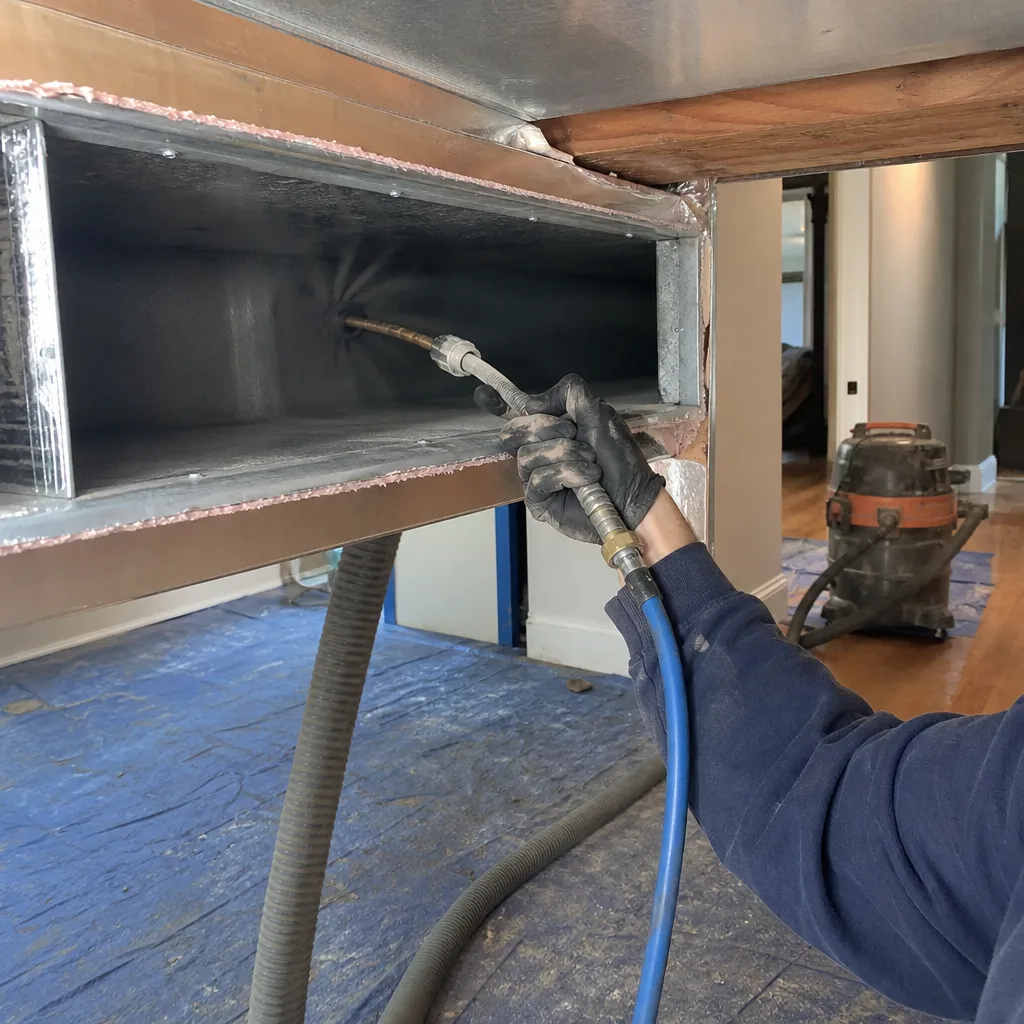
- Establish negative pressure. A vacuum collection device must be connected to create negative pressure throughout the system being cleaned. This prevents debris migration into the living space during agitation.
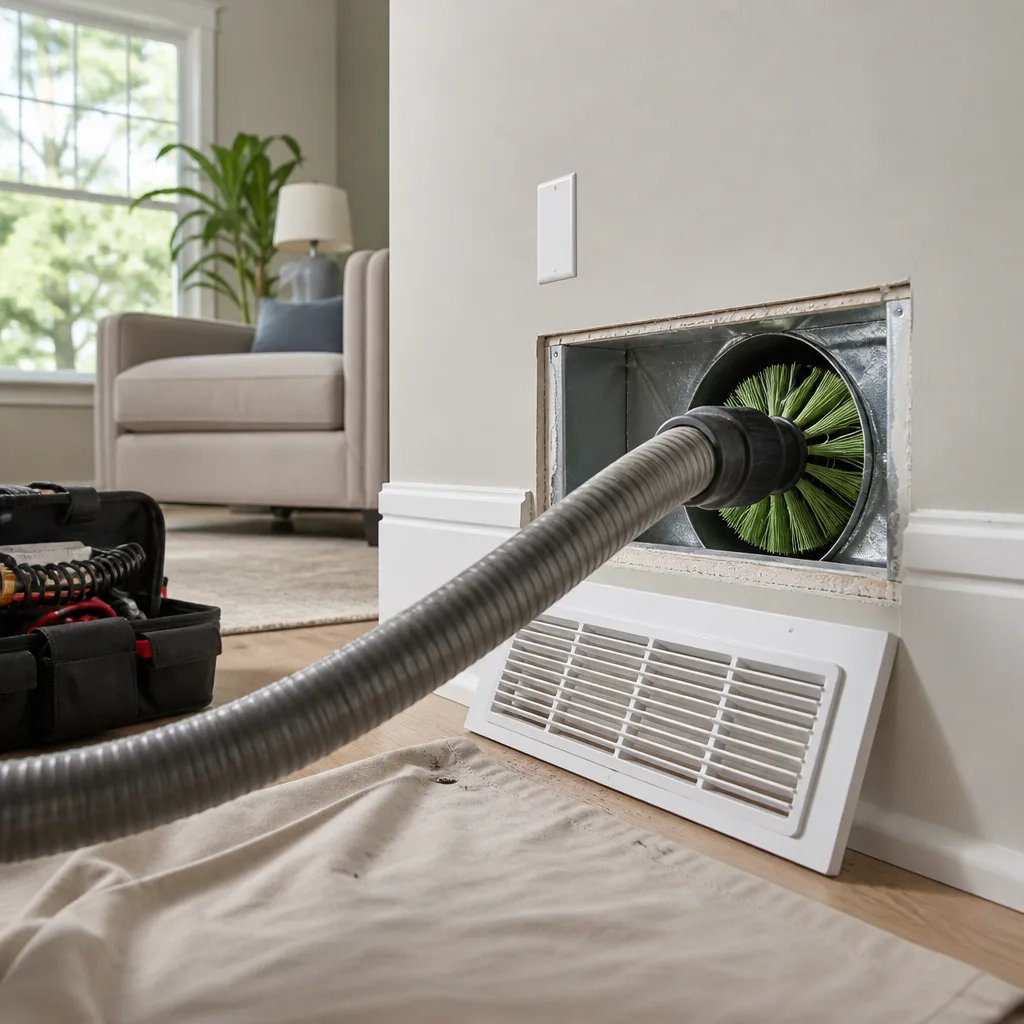
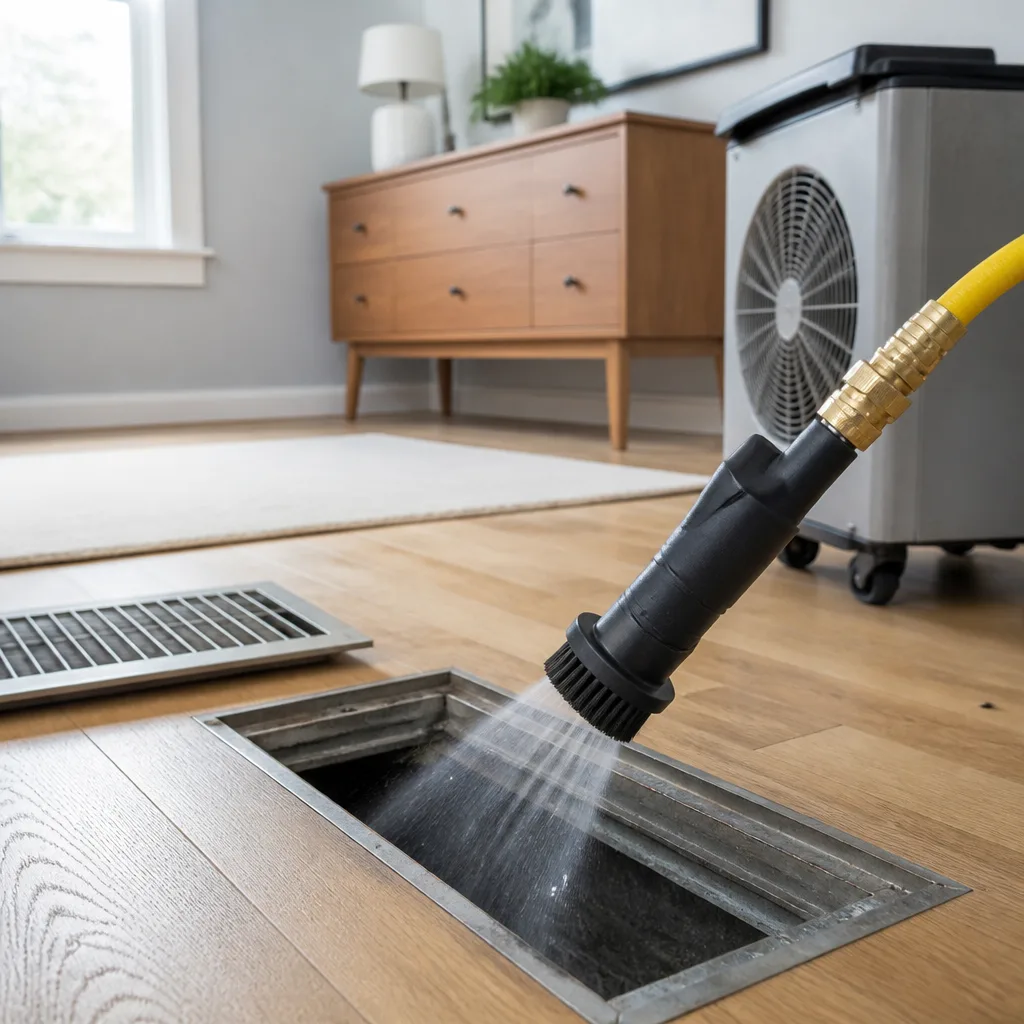
- Mechanically agitate debris. Compressed air tools, power brushes, or whip systems must contact duct surfaces to dislodge adhered material. Negative pressure alone is insufficient.
- Clean all components. Supply ducts, return ducts, branch lines, boots, registers, grilles, the plenum, and the air handler cabinet. Not “the main lines.” Everything.
- Clean or replace the filter. The standard requires either installation of a new filter or cleaning of the existing permanent filter.
- Verify cleanliness and restore the system. Post-cleaning camera footage, static pressure comparison, and operational testing of the HVAC system.
The ACR standard does not specify equipment brand, but it does specify performance. At Air Duct Cleaning in Fairfax, our crews use Rotobrush and Nikro systems for mechanical agitation, with Honeywell and Aprilaire filtration components where replacement is indicated. These are trade-recognized brands customers can research independently.
Key verification point: ask to see the pre-cleaning inspection footage before any work begins. A crew following ACR will have it. A crew performing contact vacuuming will not.
What a Legitimate Pre-Cleaning Inspection Involves
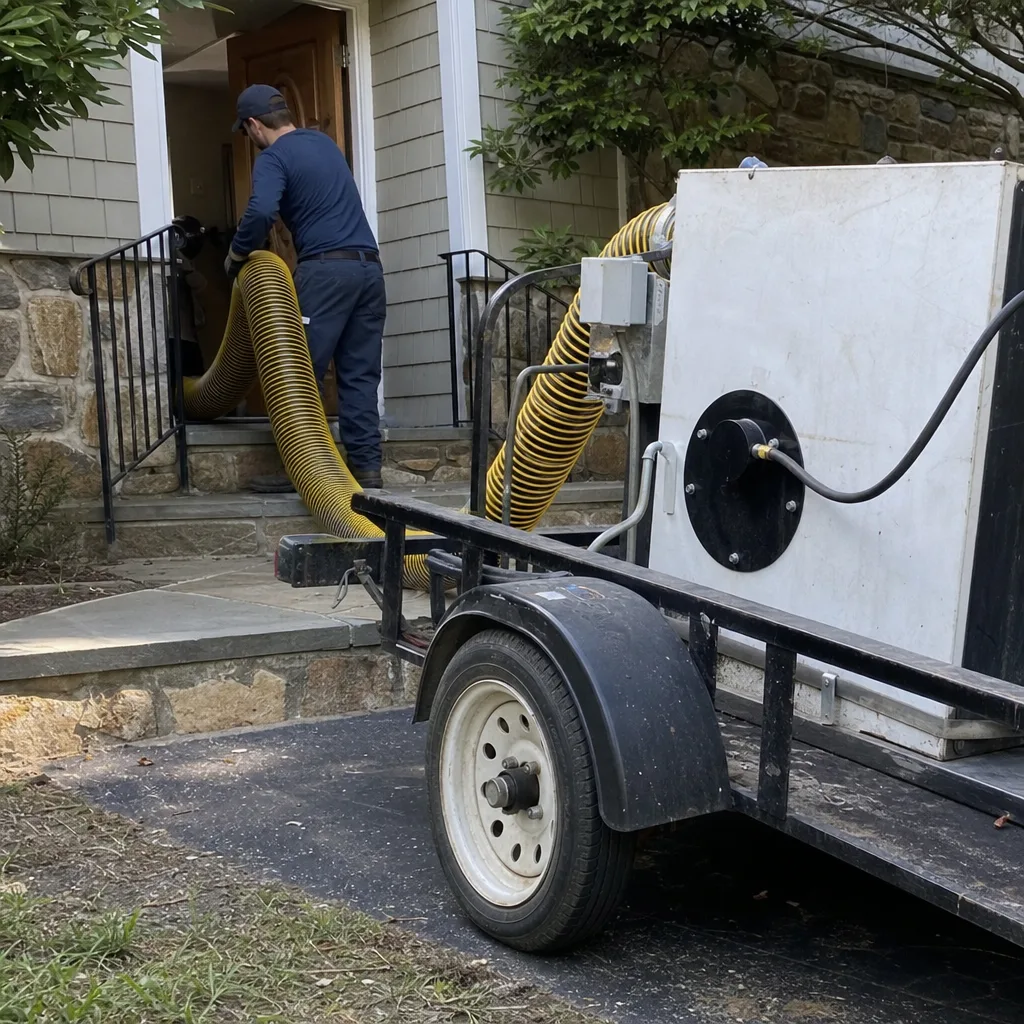
The inspection determines whether cleaning is warranted, what method is appropriate, and what the scope of work should include. In our experience across Fairfax, roughly 15% of systems we inspect don’t need cleaning yet. The inspection protects both parties from unnecessary work.
Camera footage of representative duct runs. We use a borescope with LED illumination to record 30-60 seconds of video from at least two supply runs and two return runs, plus the plenum. The footage shows debris type, depth, and location. In Fairfax’s older neighborhoods like Mantua and Fairfax Estates, we often find previous duct tape repairs that have degraded and partially detached, creating airflow obstructions the camera reveals immediately.
Static pressure readings. Measured at the air handler with a digital manometer, static pressure indicates how hard the blower motor is working. A clean system in a typical Fairfax home runs 0.5-0.8 inches water column on the supply side. Readings above 1.0 inches suggest significant restriction. We record pre- and post-cleaning readings and include both in the job documentation.
Filter slot and filter condition. The slot itself is inspected for bypass gaps, which allow unfiltered air to enter the return plenum. The existing filter is photographed and its MERV rating noted. Many Fairfax homes we inspect have filters installed backwards, or a 1-inch filter crammed into a 4-inch media cabinet, collapsing the pleats and creating bypass.
System operational check. The heating and cooling modes are run briefly to verify blower operation, temperature split, and any unusual noise. This establishes baseline performance and protects against post-service disputes about whether the system was working before arrival.
The inspection takes 30-45 minutes and is always performed before a written price is delivered. Haven Standard Clause 1 requires it: no price without inspection, no work without written agreement.
Source Removal vs. Contact Vacuuming: The Critical Difference
This distinction separates DIY vs professional air duct cleaning approaches and the coupon industry’s standard practice. Understanding it will save you from paying for a service that produces noise without results.
Source removal cleaning is the NADCA ACR standard. It combines mechanical agitation with negative-pressure extraction to remove debris from its source, the duct surface, and transport it to a collection device. The system is placed under continuous negative pressure. Agitation tools physically contact and dislodge adhered material. The vacuum captures it before it enters the living space. The result is measurable debris removal, documented by before-and-after photography and static pressure improvement.
Contact vacuuming is what most $79 coupon services actually perform. A shop vacuum with a long hose is inserted into each register. The hose contacts some debris and removes it. There is no negative pressure on the system. There is no mechanical agitation of duct surfaces. Debris adhered to duct walls remains. Debris in the plenum and main trunk is untouched. The technician may show you a canister of dust, proving only that some material was removed, not that the system is clean.
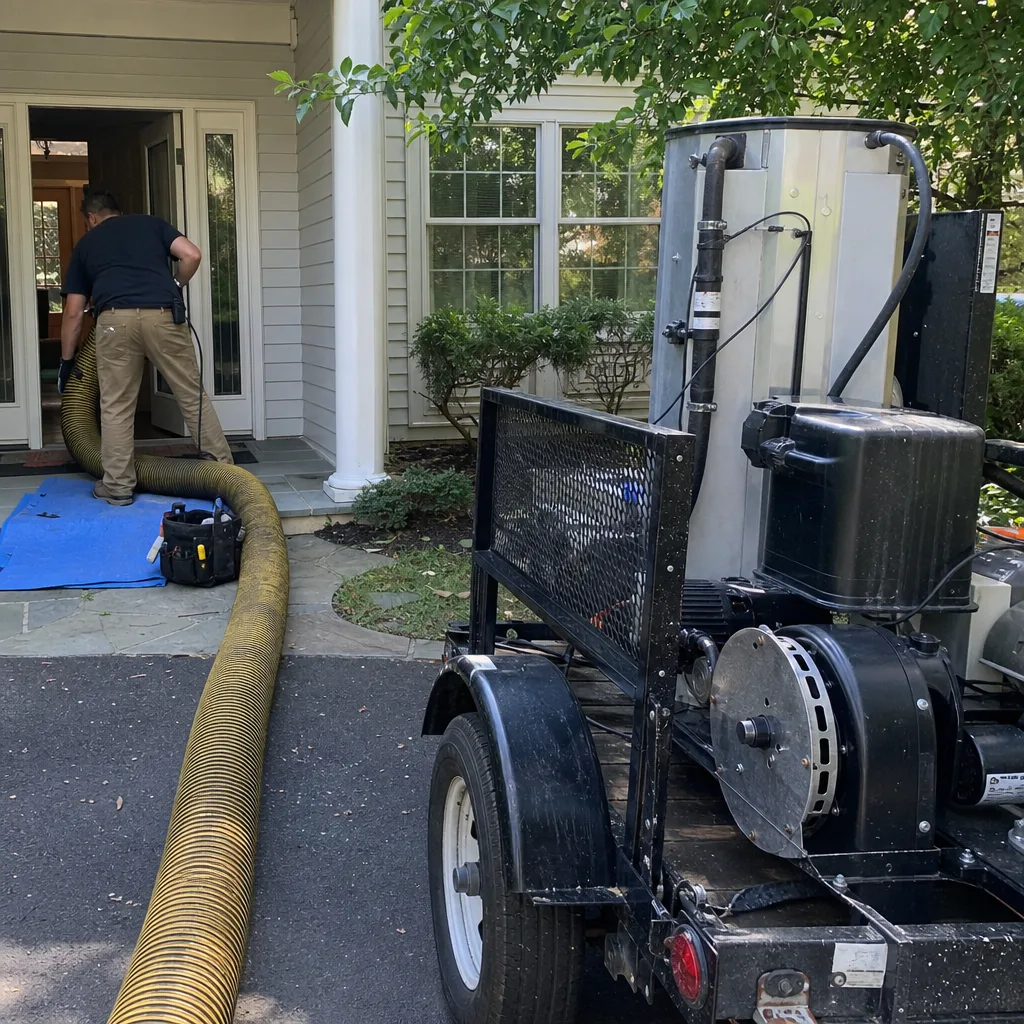
The equipment difference is stark. Source removal requires a vacuum collection device capable of 2,000+ CFM, connected to the duct system via an access panel. Contact vacuuming uses a 100-200 CFM portable vacuum. The visual difference is equally clear: source removal produces dramatically different before-and-after photos. Contact vacuuming produces two nearly identical images.
In Fairfax’s competitive market, we’ve encountered homeowners who paid for “duct cleaning” three times in five years without ever receiving source removal. The work was so ineffective it needed repeating. A single proper source removal job, documented with photos and pressure readings, typically lasts 5-7 years in a residential system with standard filtration.
What a Completed Job Documentation Package Should Contain
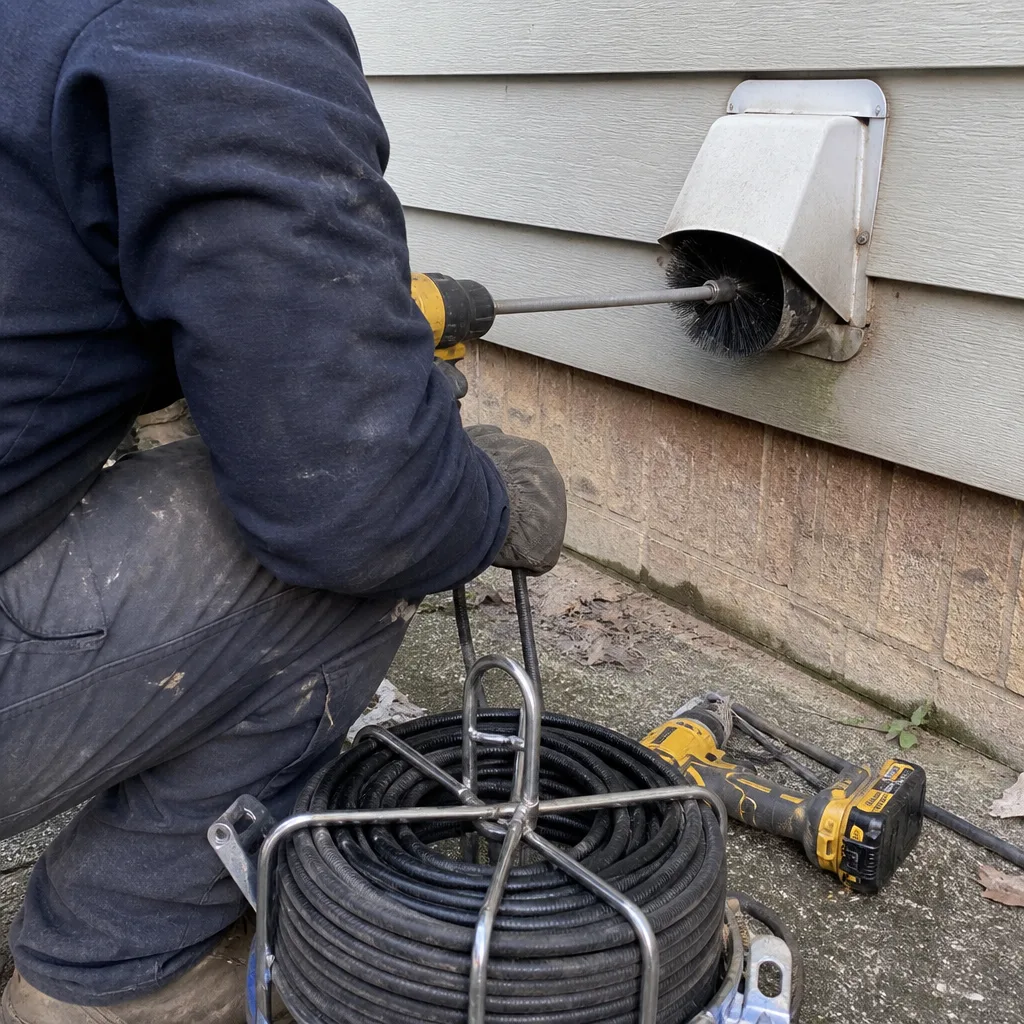
The documentation is the product. Without it, you have only a technician’s word that work was performed. CleanRun’s documented photo record practice, held since our first job in 2013, produces a deliverable package that includes the following on every visit.
- Timestamped before-and-after photos of every duct run. Not one generic “after” shot of the main trunk. Every supply run, every return run, the plenum, and the air handler interior. Timestamps prove sequence. Geotagging proves location.
- Written scope of work executed. What was cleaned, what method was used, what equipment was deployed, and what components were inspected. This is the record of what you paid for.
- Pre- and post-cleaning static pressure readings. The measurable proof of airflow improvement. We record supply and return readings at the air handler.
- Filter condition and replacement record. Photo of the old filter, specification of the replacement, and installation confirmation.
- 365-Day Done Right Promise documentation. The written guarantee, not a policy subject to manager approval. If the work is not right, we make it right. The terms are specified in writing at job completion.
- H.A.V.E.N. Standard compliance checklist. Verified crew identification, equipment verification, and safety protocol confirmation. Haven Standard Clause 3: Verified Crews requires background-checked, uniformed technicians identified by name before arrival.
This package is delivered electronically within 24 hours of job completion. It is included as a standard deliverable, not an upsell. If a company cannot describe its documentation package in this level of detail, it likely does not produce one.
Air Duct Cleaning Cost in Fairfax: Real Numbers
Price transparency is Haven Standard Clause 1. The following ranges reflect what we’ve quoted for Fairfax-area homes since 2023, based on system size and condition at inspection.
| System Configuration | Typical Range | Time Required |
|---|---|---|
| Single-system ranch or townhouse, 1,200-1,800 sq ft | $400-$550 | 3-4 hours |
| Two-story colonial, 2,000-3,000 sq ft, single system | $550-$750 | 4-5 hours |
| Large home or dual-zone system, 3,000+ sq ft | $750-$900 | 5-7 hours |
| System with significant drywall dust or construction debris | Add $150-$300 | Add 1-2 hours |
| Evaporator coil and pan cleaning (separate procedure) | $200-$350 | 1.5-2 hours |
These are whole-system prices, agreed in writing before work begins. We do not quote per-vent pricing. Per-vent pricing encourages cutting corners on hard-to-reach runs and obscures the true total. The price you approve is the price you pay.
Factors that increase cost in Fairfax specifically: homes with finished basements where access panels must be cut and restored; systems with flex duct in attic spaces, which requires more delicate handling; and post-renovation cleanings where drywall dust has settled in the plenum. Factors that do not legitimately increase cost: “surprise” contamination discovered after work begins, “mandatory” sanitizer applications, or “recommended” equipment upgrades pitched at the door.
Our Free Second Opinion on Any Written Estimate means you can bring a competitor’s quote and we’ll put our number next to it in writing. No charge, no obligation.
Common Mistakes to Avoid
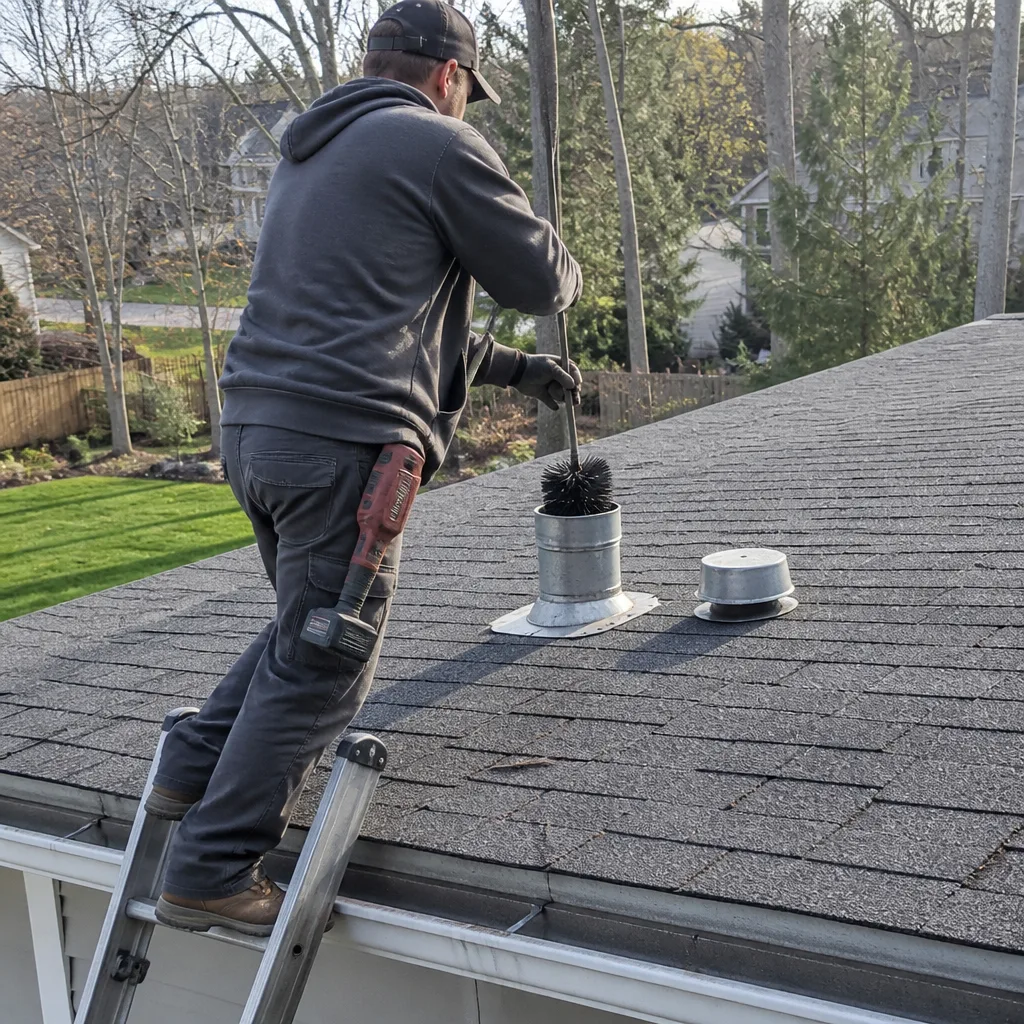
- Booking based on a coupon price without inspection. The $79 rate covers a brief vacuum insertion at each register, not source removal. The upsell to actual cleaning typically reaches $600-$800 once the technician is in your home. Start with an inspection and written scope instead.
- Assuming new construction means clean ducts. In Fairfax’s 2020-2023 builds, we’ve found substantial construction debris in roughly 40% of systems inspected. The HVAC contractor’s rough-in protection is often removed early, and finish trades use the open ducts for waste disposal.
- Accepting a single “after” photo as proof. One photo of a clean main trunk proves nothing about branch lines, boots, or the plenum. Demand timestamped images of every run, with timestamps showing sequence.
- Ignoring the filter slot. A high-MERV filter in a damaged or undersized slot bypasses unfiltered air around the filter. Cleaning the ducts without fixing the slot recirculates new debris immediately. The inspection should include slot condition.
- Scheduling cleaning without addressing the underlying cause. If your return duct has a disconnected boot pulling attic air, cleaning is temporary. The boot needs sealing. A proper inspection identifies these issues before work begins.
- Choosing based on speed claims. A complete source removal on a typical Fairfax home takes 3-5 hours. A crew that finishes in 90 minutes is performing contact vacuuming, not ACR-standard cleaning.
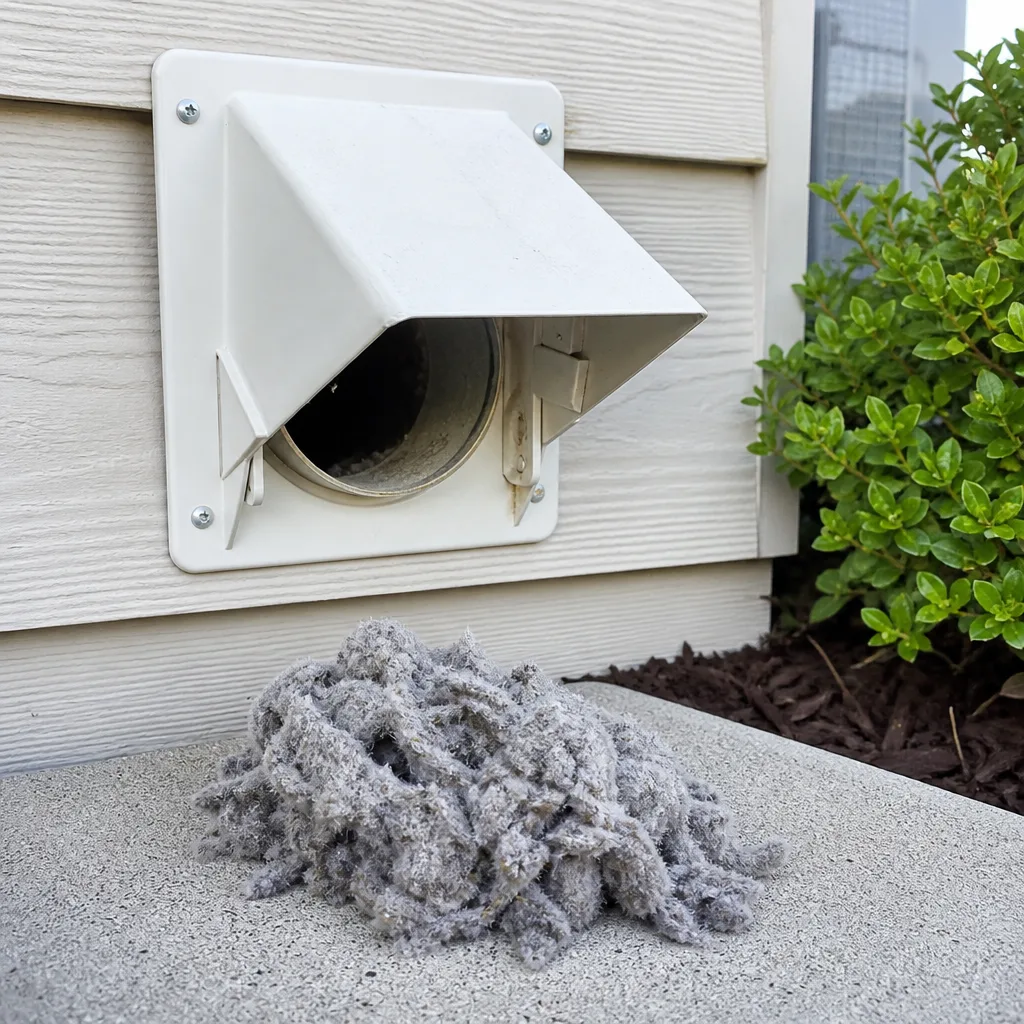
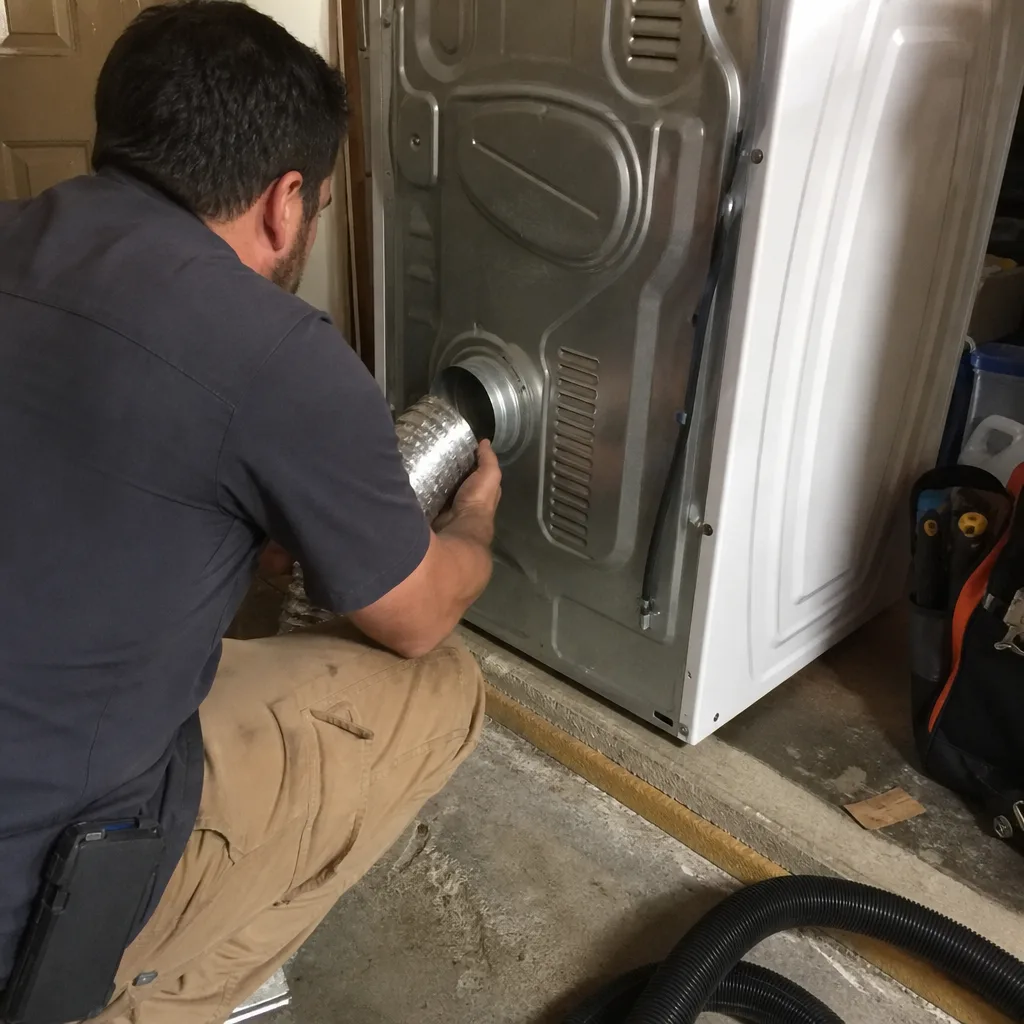
- Neglecting dryer vent cleaning. Lint accumulation in the dryer vent is a genuine fire hazard, unlike most duct debris. Dryer Vent Cleaning in Fairfax should be performed every 1-2 years, independent of duct cleaning schedule.
When to Call a Professional
Call for an inspection, not a cleaning, if you notice reduced airflow at distant registers, visible debris expelled when the system cycles on, or a persistent musty odor that survives filter replacement. These symptoms indicate a condition worth documenting before deciding on service.
Call promptly if you’ve completed renovations within the past two years, especially drywall work or flooring replacement. The debris load in post-renovation systems is often underestimated by homeowners who didn’t see the material enter the ducts.
Call if your HVAC technician has noted high static pressure or blower motor strain during routine maintenance. Cleaning may restore design airflow and reduce equipment wear.
CleanRun Air Duct Cleaning Fairfax offers free estimates in Fairfax and more guides & resources on our blog. Every estimate includes the pre-cleaning inspection described above, a written price delivered before any work is discussed, and no obligation to proceed. Call (571) 526-0015 to schedule. All calls are answered by a live person, and technicians are background-checked, uniformed, and identified by name before arrival under Haven Standard Clause 3: Verified Crews.
Frequently Asked Questions
A complete residential source-removal cleaning in Fairfax typically runs $400-$900 depending on system size and condition, with most single-family homes falling in the $550-$750 range. Per-vent pricing is a red flag; legitimate companies quote whole-system prices agreed in writing before work begins. Call (571) 526-0015 for a free inspection and exact written quote.
The low quotes almost always reflect contact vacuuming, not source removal. A shop vacuum at each register takes 90 minutes and removes surface debris only. Source removal with negative-pressure extraction, mechanical agitation, and full system cleaning takes 3-5 hours and requires professional-grade equipment. The price difference is the difference between noise and results.
Demand timestamped before-and-after photos of every duct run, pre- and post-cleaning static pressure readings, and a written scope of work. These are standard deliverables on every CleanRun job, included at no additional charge. If a company cannot produce them, the work cannot be verified.
In Fairfax’s climate, with standard 1-inch pleated filtration and no major renovations, a properly cleaned system typically stays clean 5-7 years. Homes with multiple pets, recent construction, or bypassing filters may need service every 3-4 years. The inspection determines interval; calendar-based cleaning without inspection is unnecessary.
Restoring design airflow can reduce blower motor run time and improve temperature distribution, but savings are modest, typically 5-15% of HVAC energy use. The primary benefit is mechanical: reduced equipment strain and extended component life. Claims of dramatic bill reduction are not supported by field data we’ve collected since 2013.
Duct cleaning addresses the distribution network: supply and return ducts, plenum, and registers. HVAC Cleaning in Fairfax includes the air handler components: evaporator coil, blower assembly, condensate pan, and drain line. A complete job often addresses both, but they are distinct procedures with different pricing and time requirements.
The Bottom Line
Air duct cleaning in Fairfax is a mechanical service with measurable outcomes, not a wellness treatment with vague benefits. The EPA’s warning about health claims should steer you toward companies that document airflow improvement, not allergy relief. A legitimate job follows NADCA’s ACR standard, produces timestamped photos of every duct run, and begins only after a written price is agreed. The coupon industry’s $79 entry point leads to contact vacuuming, upsell pressure, and unverifiable results. The alternative is a documented process: inspection, written scope, source removal, and a deliverable package that proves what was done. That’s the framework this guide was built to explain.
Written by Tomas Reyes, Owner at CleanRun Air Duct Cleaning Fairfax, serving Fairfax since 2013.