
Last updated September 23, 2026
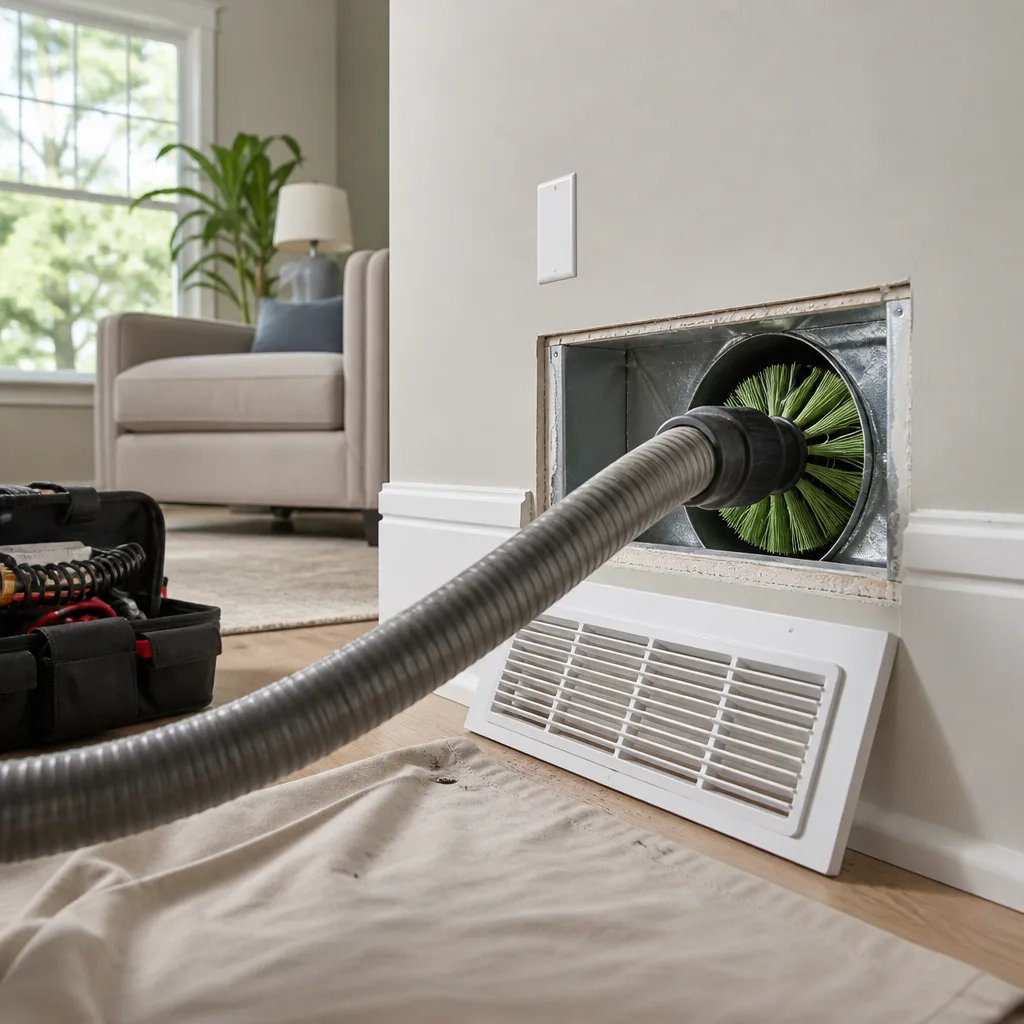
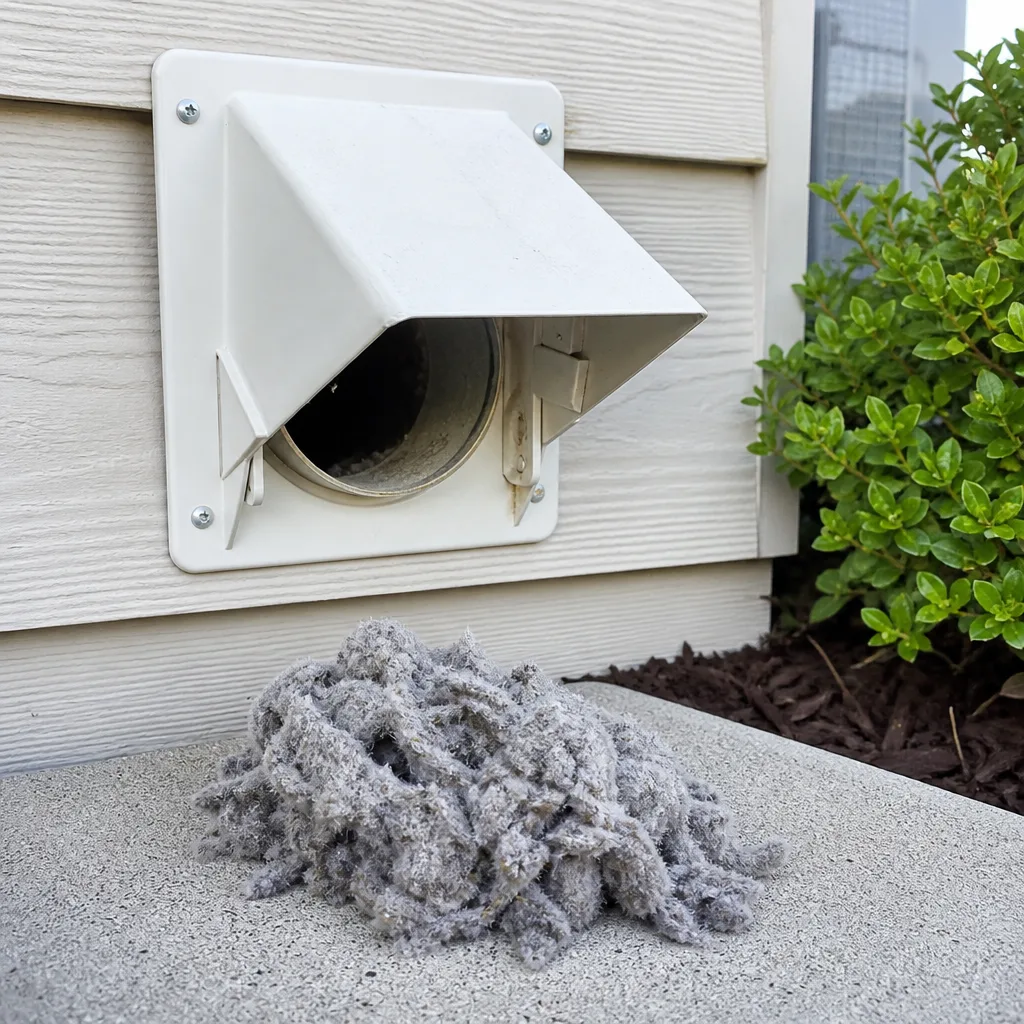
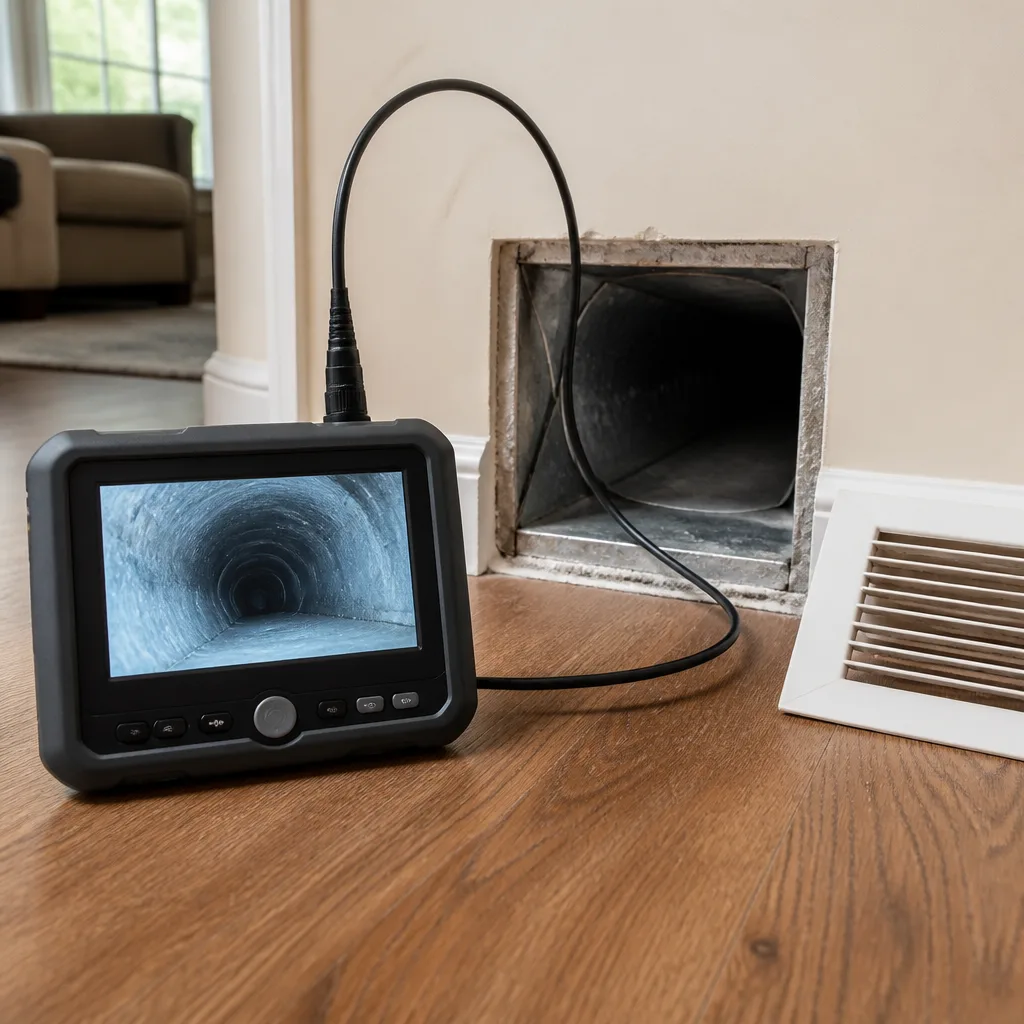
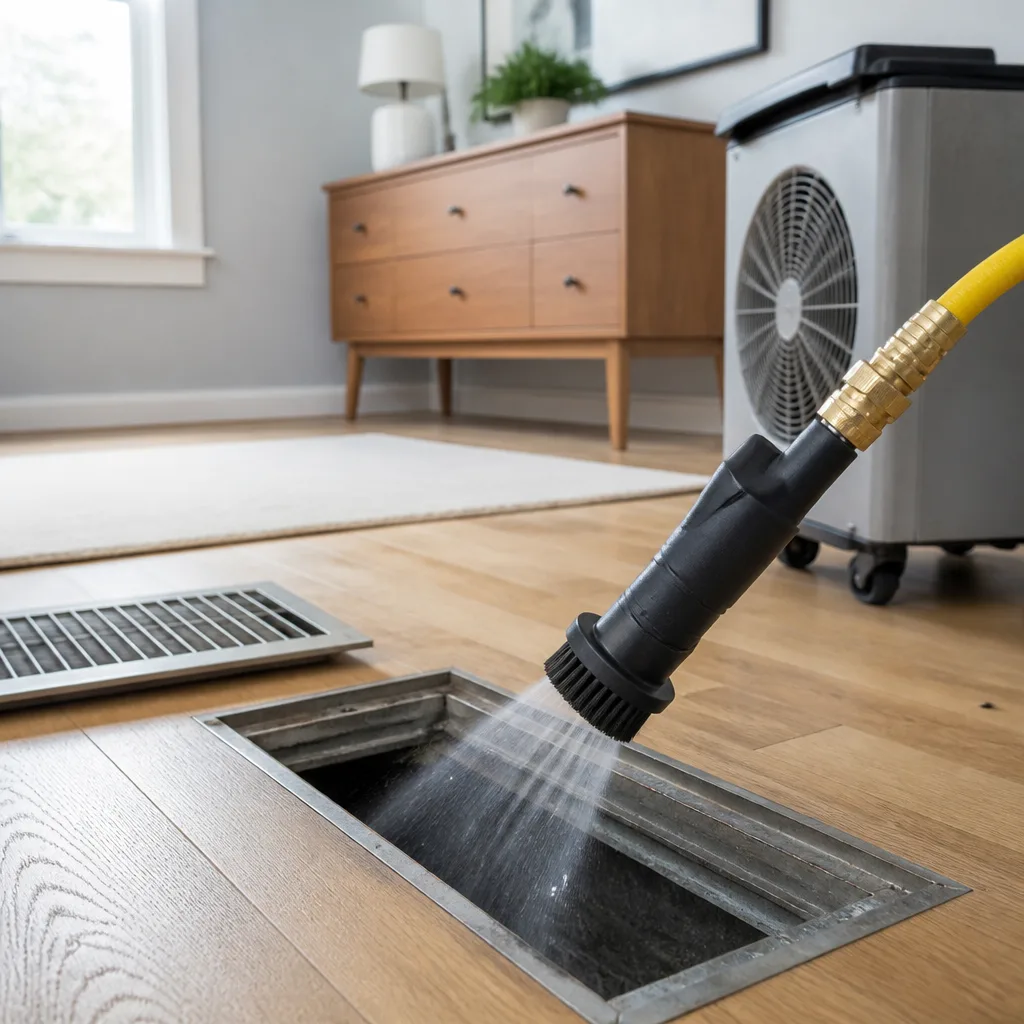
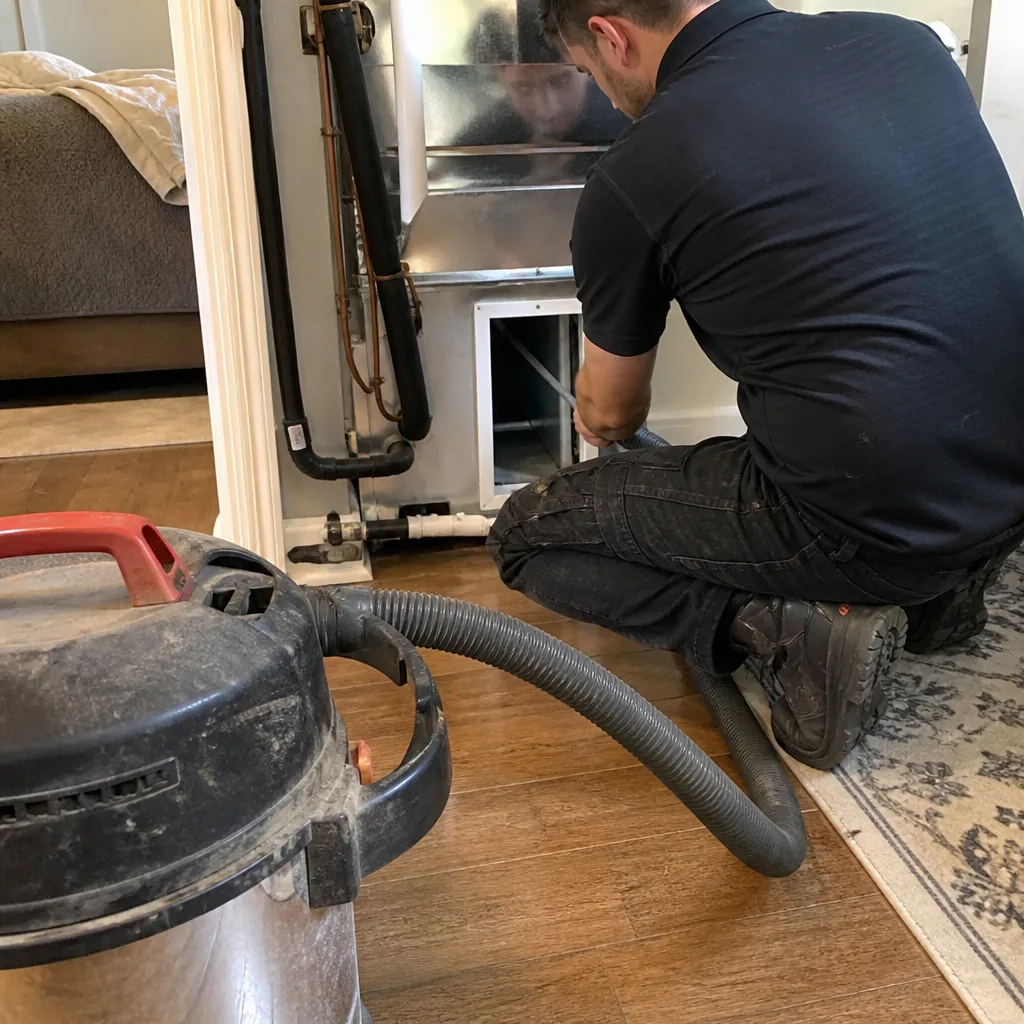
Whole-system duct and dryer vent check with before-and-after photos - you see exactly what came out of your vents
That "$99 whole-house special" is a bait ad - the real number appears once they are in your hallway, or the "clean" is a shop-vac at the register. We photograph the inside of your ducts before and after instead.
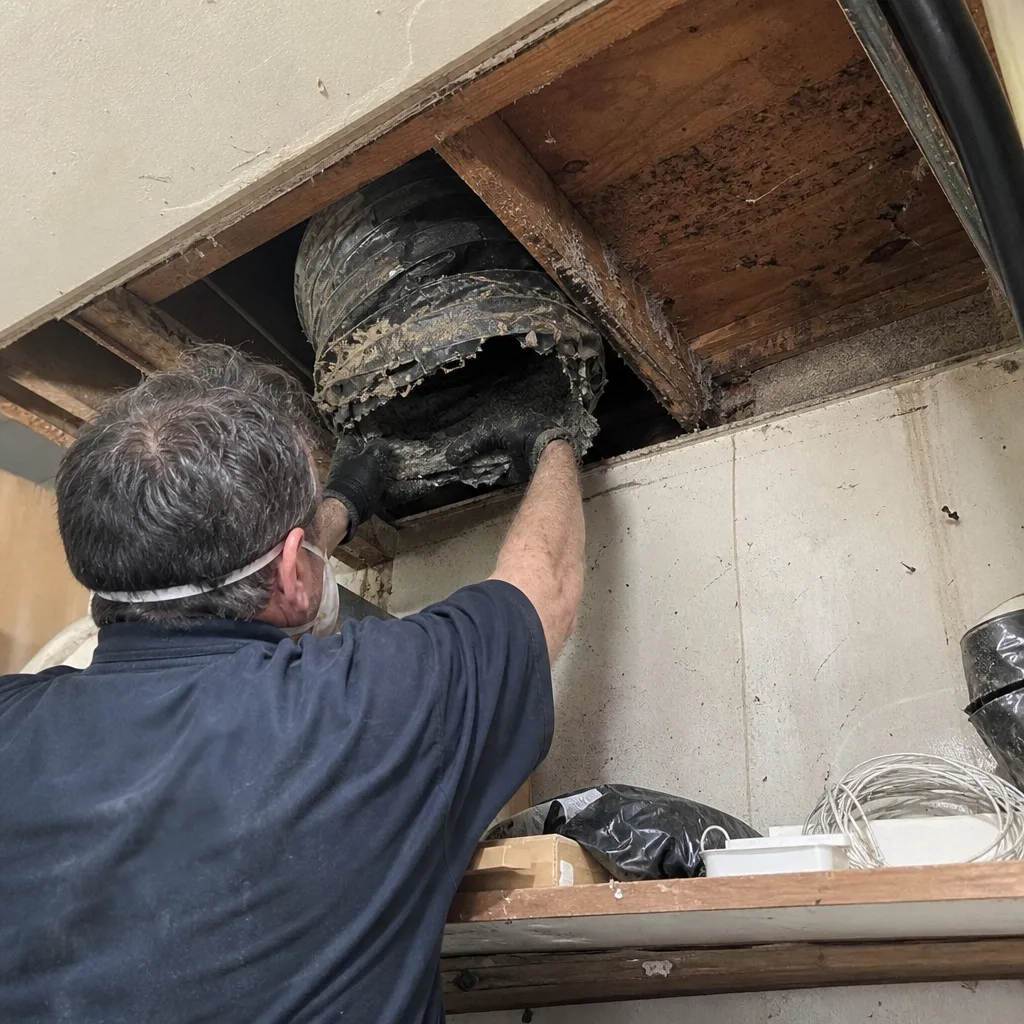 Before
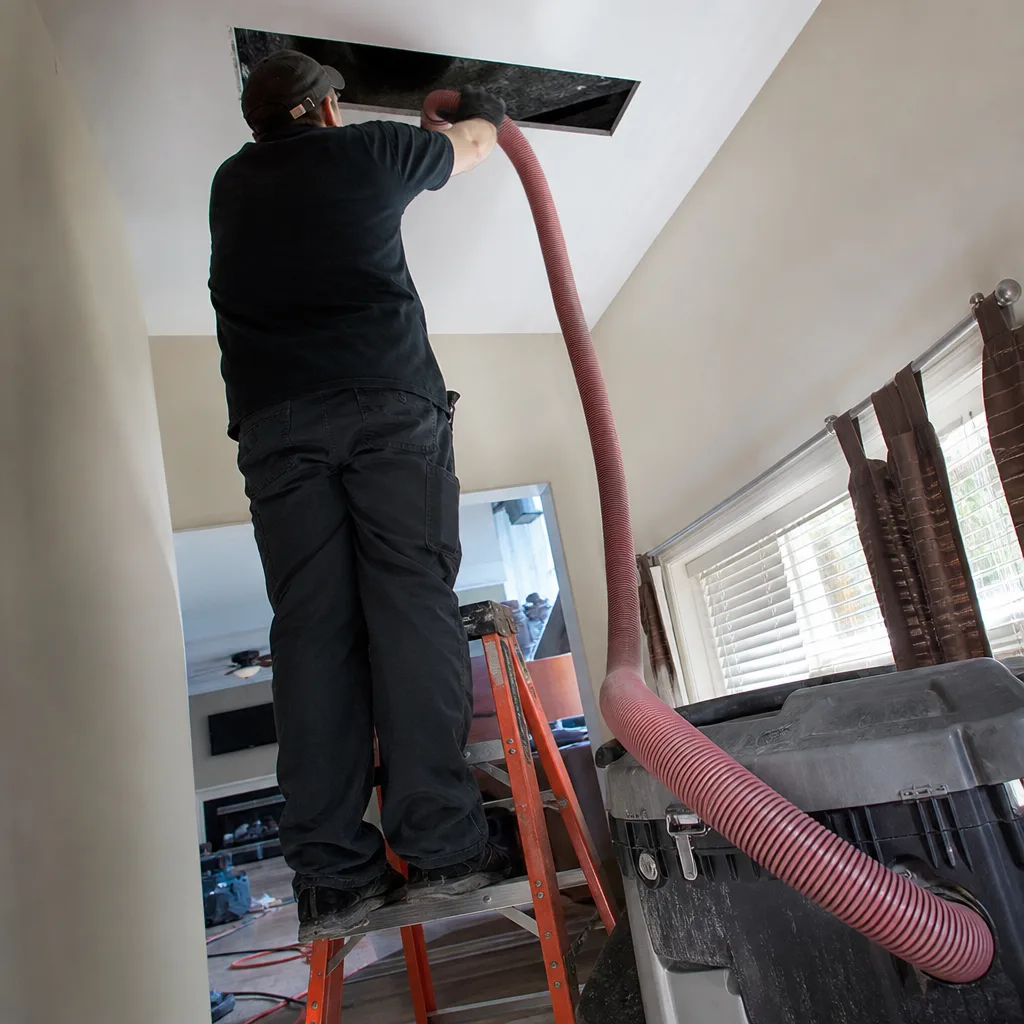 After
After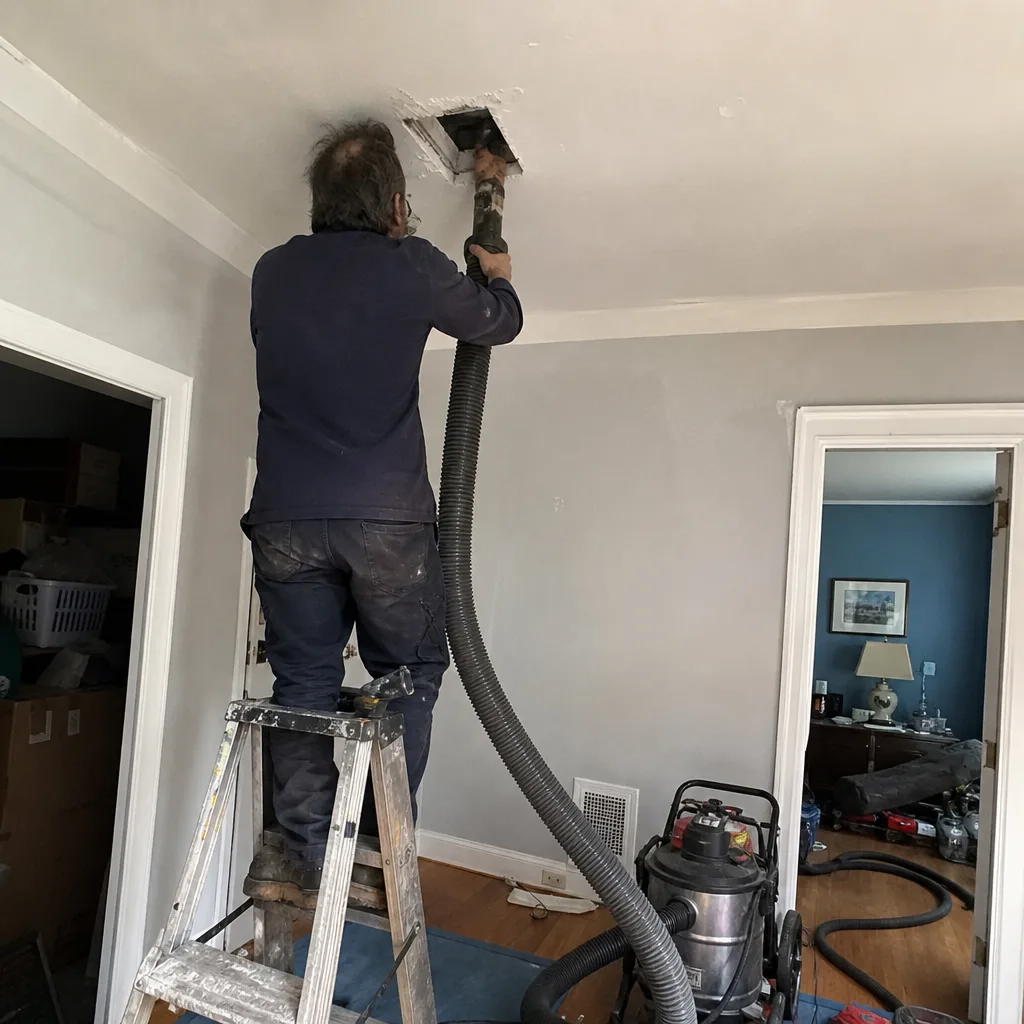 Before
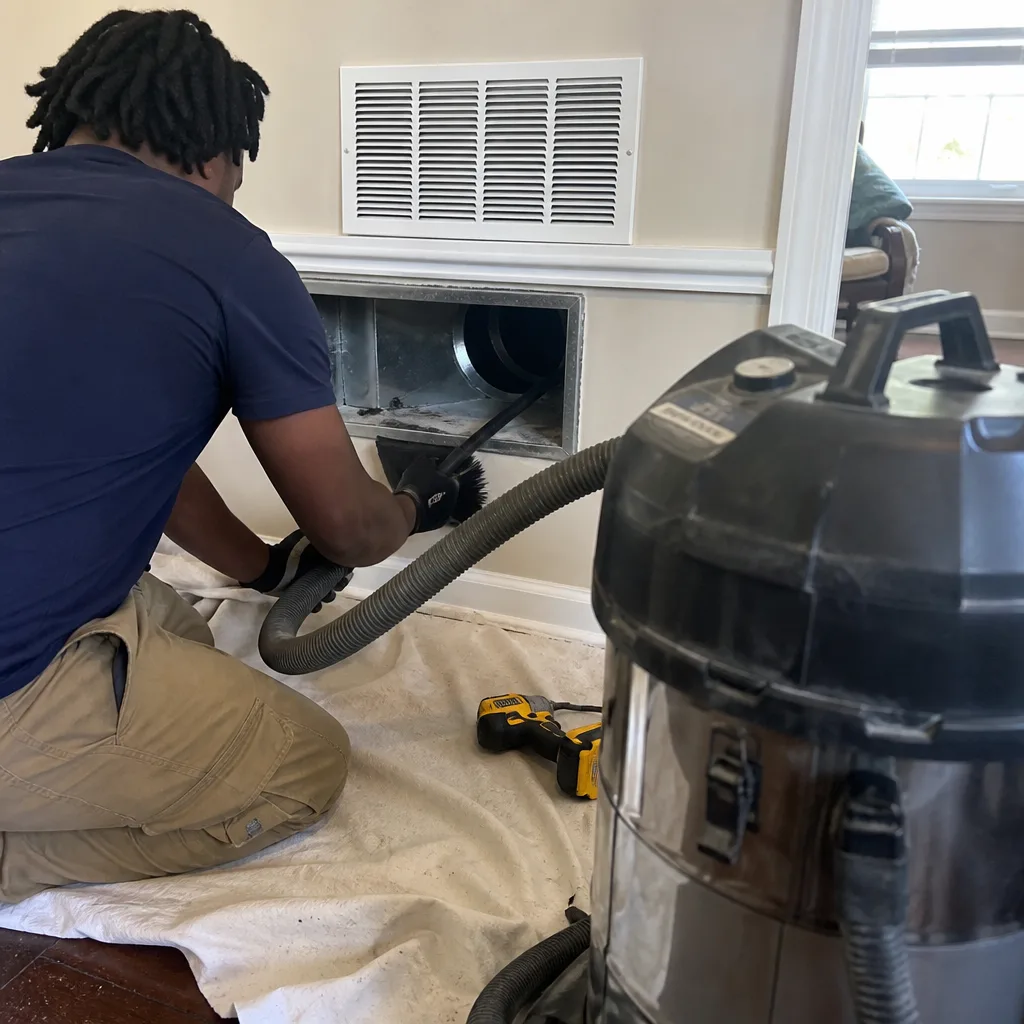 After
After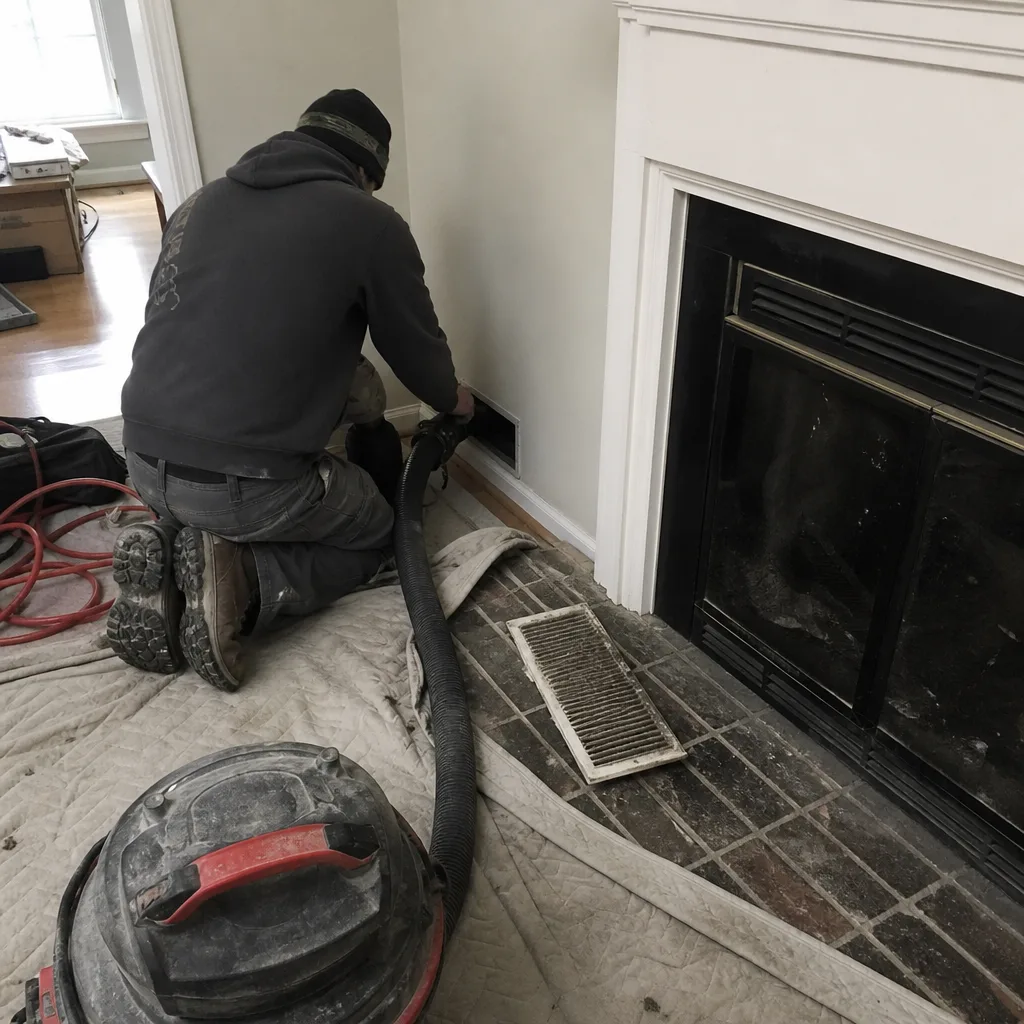 Before
 After
AfterAir Duct Cleaning Permits, Codes & Inspections in VA: What You Need to Know
Most Fairfax homeowners assume that because air duct cleaning requires no permit, the technician working inside their HVAC system faces no regulatory boundaries. That assumption fails at the exact moment a cleaning crew seals a disconnected duct run, replaces a section of flex duct, or modifies a connection at the air handler. Virginia’s Department of Professional and Occupational Regulation (DPOR) draws a sharp line between cleaning and mechanical alteration, and crossing it without the proper license tier exposes the homeowner to liability, voided warranties, and failed resale inspections. In this The Complete Guide to Air Duct Cleaning in Fairfax, we’ll map where that line sits, which Virginia license classes matter, when Fairfax County requires a mechanical permit, and how to verify a contractor’s standing before anyone enters your home.
Quick Answer
Air duct cleaning itself requires no state or local permit in Virginia. However, any repair, modification, or sealing of ductwork that alters the mechanical system requires a DPOR-licensed HVAC contractor, and Fairfax County may require a mechanical permit depending on the scope. Homeowners should verify a contractor’s license tier and permit history before work begins.
Table of Contents
- Virginia HVAC License Tiers: What Each Class Can Legally Do to Your Ducts
- When Fairfax County Requires a Mechanical Permit for Duct Work
- Duct Sealing Under Virginia Code vs. the Cleaning Industry Upsell
- What Homeowners Can Do Themselves vs. What Requires a Licensed Contractor
- How to Verify a Contractor’s Permit History in Fairfax County
- How Duct Work Affects Home Inspections and Resale in Fairfax
- Common Mistakes to Avoid
- When to Call a Professional
- Frequently Asked Questions
- The Bottom Line
BeforeAfterVirginia HVAC License Tiers: What Each Class Can Legally Do to Your Ducts
Virginia DPOR regulates HVAC work through three contractor license classes: Class A, Class B, and Class C. The class determines both the maximum contract value a contractor can accept and, critically, which mechanical systems they are authorized to alter. For Fairfax homeowners, the distinction matters because duct cleaning companies frequently perform tasks that exceed their legal scope.
Class A HVAC Contractor: No dollar limit on individual contracts. Authorized to work on any HVAC system regardless of complexity. In Fairfax, this tier is held by full-service mechanical contractors who design, install, and modify complete systems. If your duct cleaning reveals a need to reconfigure supply runs, replace a plenum (the central distribution box where air divides into duct runs), or alter connections at a packaged unit, Class A authorization is required.
Class B HVAC Contractor: Limited to single contracts of $120,000 or less, with total annual work not exceeding $750,000. Authorized for most residential HVAC work including duct modifications, equipment replacement, and system alterations. Many established Fairfax-area HVAC companies hold Class B licenses, which cover the majority of residential duct repair scenarios.
Class C HVAC Contractor: Limited to single contracts of $10,000 or less, with total annual work not exceeding $150,000. Authorized for repair and replacement work only, not new installation or system design. A Class C licensee can replace a damaged section of flex duct or repair a register boot, but cannot redesign airflow, replace a plenum, or modify connections at the air handler.
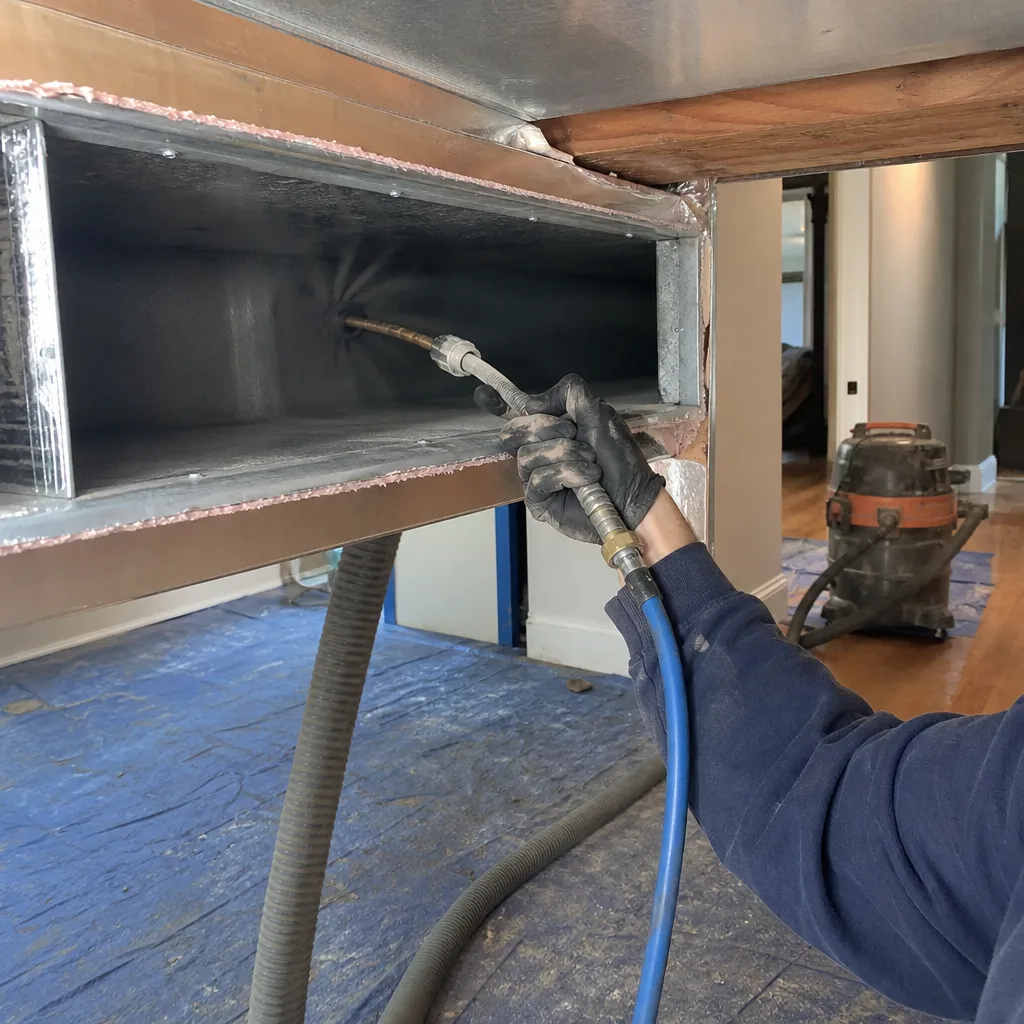
The gap between cleaning and contracting creates the risk. A technician with no HVAC license, or with only a business license, can legally perform Air Duct Cleaning via negative-pressure extraction (the industry term for vacuum-based duct cleaning, where a large vacuum creates suction throughout the system while agitation tools loosen debris). That same technician cannot legally seal a disconnected duct run with mastic, replace a collapsed flex duct section, or modify a return air pathway, even if the damage was discovered during cleaning.
At CleanRun Air Duct Cleaning Fairfax home, we hold appropriate licensing for the scope we accept. When our camera inspection reveals damage requiring mechanical alteration beyond our authorization, we document the finding with a photo, explain the license requirement, and can refer the homeowner to a properly licensed contractor. We do not perform work that exceeds our legal scope and present it as “included” in a cleaning package.
The homeowner’s risk in accepting unlicensed duct repair is concrete. If an unlicensed technician seals a duct with improper materials, the repair can fail and leak conditioned air into attic or crawl space. See our Air Duct Cleaning Warning Signs: A Fairfax Homeowner’s Reference Guide for related risks. In Fairfax’s climate, where summer humidity regularly exceeds 70 percent, that leakage creates condensation, mold growth, and structural damage. Worse, if the unlicensed work causes a fire or carbon monoxide event, homeowner’s insurance may deny coverage based on the unperformed permit and unlicensed labor.
When Fairfax County Requires a Mechanical Permit for Duct Work
Fairfax County enforces the Virginia Uniform Statewide Building Code (VUSBC), which requires a mechanical permit for any work that “installs, enlarges, alters, repairs, or replaces” a mechanical system. The critical word is “alters.” Cleaning does not alter. Repairing, replacing, or modifying ductwork does.
Fairfax County’s Department of Planning and Zoning (DPZ) issues mechanical permits through its Land Development Services division. The permit triggers an inspection at rough-in and final, ensuring the work meets VUSBC standards for materials, sizing, and installation. For homeowners, the permit creates a recorded document that protects resale value and insurance coverage.
Specific scenarios that require a Fairfax County mechanical permit include:
- Replacing more than 10 feet of ductwork in a single continuous run. Minor patch repairs under 10 feet typically do not trigger permitting, though the work still requires a licensed contractor.
- Modifying a supply or return duct connection at the air handler or furnace. Any change to the plenum connection alters system airflow and requires engineering review.
- Installing or relocating a register or grille (the visible vent cover where air enters a room). New cutouts in drywall or flooring trigger both mechanical and building permit review.
- Sealing ductwork as part of an energy code compliance project, particularly in new construction or major renovation where the home must meet Virginia’s energy conservation code.
- Repairing ductwork after fire, flood, or mold remediation, where the repair is part of a larger permitted restoration project.
Fairfax County’s climate adds practical urgency to permit compliance. The county sits in USDA Hardiness Zone 7a, with summer design temperatures reaching 92°F and winter lows averaging 24°F. Ductwork in unconditioned attic spaces experiences extreme thermal stress. Improperly sealed or insulated repairs fail faster here than in milder climates, making the inspection process a genuine quality safeguard rather than bureaucratic delay.
Permit fees in Fairfax County for residential mechanical work typically range from $75 to $250 depending on project value, with same-day online application available through the DPZ permit portal. The permit record becomes part of the property’s permanent file, searchable by future buyers and inspectors.
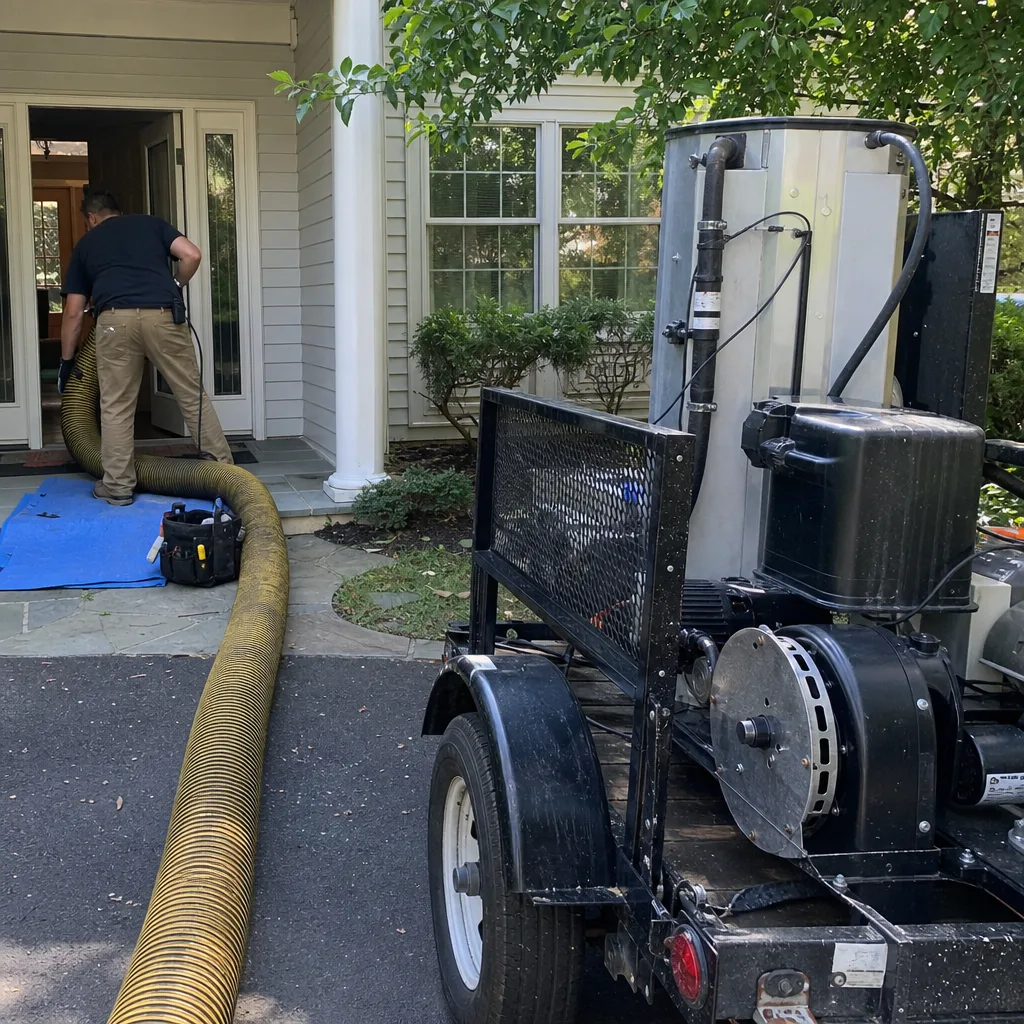
Notably, Fairfax County does not require a permit for routine duct cleaning, dryer vent cleaning, or the use of sanitizing agents inside existing ductwork, provided no physical alteration occurs. This is where Air Duct Cleaning in Fairfax operates: inside the system, not changing it.
Duct Sealing Under Virginia Code vs. the Cleaning Industry Upsell
The term “duct sealing” carries two incompatible meanings in Virginia. Understanding the distinction protects homeowners from paying code-grade prices for cosmetic-grade work.
Virginia Energy Code duct sealing: Under VUSBC Section R403 (residential) and C403 (commercial), duct sealing is a measurable performance requirement. In new construction and substantial renovation, duct systems must demonstrate leakage rates below specified thresholds, verified by blower door and duct blaster testing. The code mandates specific materials: mastic compound rated for HVAC application, UL-listed tape (not standard duct tape, which degrades rapidly), and mechanical fasteners at joints. Sealing must be applied to all seams, joints, and connections in the air distribution system, including the plenum, duct runs, and register boots. This work requires a licensed contractor and, in Fairfax County, typically a mechanical permit.
Cleaning industry “duct sealing”: Many duct cleaning companies offer “sealing” as an add-on service, applying a spray-on or brush-applied sealant inside existing ductwork. This is not code-compliant duct sealing. The internal coating does not address leakage at joints and connections, which is where 80-90 percent of duct leakage occurs. It does not meet Virginia energy code standards. It cannot be tested or verified. And in some cases, the coating material itself degrades and flakes, becoming a new source of airborne particulate.
The upsell works because homeowners reasonably assume that “sealing” means “fixing leaks.” It does not. At CleanRun, when we find measurable leakage during our camera inspection, we document the location with a photo and explain whether the repair requires code-compliant sealing by a licensed HVAC contractor or whether the issue is minor enough to monitor. We do not apply internal coatings and present them as equivalent to mechanical sealing.
For Fairfax homeowners in neighborhoods like Burke, Vienna, or Oakton, where many homes were built during the 1980s-1990s ductboard era, this distinction is particularly relevant. Original ductboard systems (ductwork constructed from fiberglass board with foil facing) deteriorate at the seams. Code-compliant repair often requires replacement with modern flex duct or sheet metal, not internal spray. A cleaning company offering to “seal” deteriorating ductboard is offering a temporary cosmetic fix to a structural problem.
The equipment matters too. Code-compliant sealing requires access to the full duct system, including attic and crawl space runs. Professional-grade tools from manufacturers like Abatement Technologies and Nikro are designed for cleaning access and documentation, not for mechanical repair. When repair is needed, the right tools are mastic guns, seam rollers, and pressure-testing equipment, not rotary brushes and vacuum hoses.
What Homeowners Can Do Themselves vs. What Requires a Licensed Contractor
Virginia law and Fairfax County code allow homeowners to perform certain work on their own property without a contractor’s license or permit. The boundary is narrower than many assume, and crossing it creates the same liability as hiring an unlicensed contractor.
Homeowner-permitted work without license or permit:
- Cleaning or replacing register grilles and return air covers (the visible vent covers in rooms)
- Changing or upgrading standard 1-inch HVAC filters
- Cleaning the condensate drain line with a wet/dry vacuum or compressed air
- Applying foil tape to accessible, minor duct seam gaps in conditioned space (basement, utility room) where the repair does not alter system design or capacity
- Installing a programmable or smart thermostat, provided no wiring modification beyond the control circuit is required
Work that requires a DPOR-licensed HVAC contractor:
- Any repair or replacement of ductwork in unconditioned spaces (attic, crawl space, garage)
- Sealing or modifying connections at the air handler, furnace, or heat pump
- Replacing flex duct, ductboard, or sheet metal sections
- Installing inline air quality equipment (UV lights, electronic air cleaners) that requires electrical or duct modification
- Any work that requires a mechanical permit under VUSBC
The homeowner exemption does not extend to work performed by a “friend” or handyman, even if unpaid. Virginia’s contractor licensing law applies to the person performing the work, not the compensation arrangement. A homeowner can legally replace their own register cover. That same homeowner cannot legally allow an unlicensed neighbor to replace a section of attic flex duct, even as a favor.
For Fairfax’s older housing stock, particularly the split-level and ranch homes common in neighborhoods like Annandale, Springfield, and Falls Church, this matters because original ductwork often runs through inaccessible crawl spaces. What appears to be a simple “tightening” of a connection may require cutting access, modifying structural supports, and resizing duct runs. These are not homeowner-exempt tasks.
CleanRun’s documented photo record becomes relevant here. When our inspection reveals a condition that exceeds homeowner-exempt repair, the photo evidence gives the homeowner objective information to obtain proper quotes from licensed contractors. We have seen homeowners in Fairfax attempt DIY repairs on collapsed flex duct in summer attic conditions, only to create larger disconnections that increased energy bills by 30 percent until properly addressed.
How to Verify a Contractor’s Permit History in Fairfax County
Fairfax County DPZ maintains public permit records that any homeowner can access before hiring. The verification process takes under 10 minutes and can prevent months of dispute.
Step 1: Verify DPOR license status.
Visit the Virginia DPOR license lookup portal at license.dpor.virginia.gov. Enter the contractor’s business name or license number. Confirm the license class (A, B, or C), expiration date, and any disciplinary history. The license number should match what the contractor provides. At CleanRun, we publish our license number on every proposal and on our website, Haven Standard Clause 2: Transparent Credentials.
Step 2: Check Fairfax County permit history.
Visit the Fairfax County DPZ permit search at permitsearch.fairfaxcounty.gov. Search by contractor name or business license number. Look for:
- Mechanical permits pulled in the past 24 months
- Permit status: issued, under inspection, finalized, or expired
- Inspection results: pass, fail, or correction required
- Any permits left in “expired” status without final inspection, which indicates abandoned or incomplete work
Step 3: Request permit documentation for your specific project.
A legitimate contractor will explain whether your project requires a permit, provide the permit application number before work begins, and schedule required inspections. Be wary of contractors who claim permits “aren’t needed for this small job” or who offer to “pull the permit later.” In Fairfax County, work cannot legally proceed until the permit is issued and posted.
Step 4: Verify insurance and bonding.
DPOR requires contractors to carry general liability insurance and, for Class A and B, a surety bond. Request a certificate of insurance directly from the contractor’s insurance agent, not a photocopy from the contractor. Confirm the policy is active and covers the type of work being performed.
The Fairfax County DPZ permit office can be reached at (571) 526-0015 for questions about whether a specific project requires permitting. The office is located at 12055 Government Center Parkway, Fairfax, VA, and accepts walk-in inquiries. For homeowners in HVAC Cleaning in Fairfax research mode, this direct verification is more reliable than any marketing claim.
How Duct Work Affects Home Inspections and Resale in Fairfax
Fairfax County’s competitive real estate market makes ductwork condition a material disclosure issue. Home inspectors in this market are trained to identify unpermitted modifications, improper materials, and visible deterioration that may affect system performance or safety.
Common inspection findings that trigger buyer negotiation or repair demands include:
- Unpermitted duct modifications, particularly in finished basements where new registers were added without mechanical permit
- Duct tape used as primary sealing method, which fails within 2-3 years in Virginia’s humidity and is flagged as deficient
- Original ductboard with deteriorated foil facing, common in homes built 1975-1995 throughout Fairfax County
- Disconnected or sagging flex duct in attics, often caused by improper support spacing or pest damage
- Evidence of internal spray sealant, which inspectors may note as “non-standard repair, recommend evaluation by licensed HVAC contractor”
The Northern Virginia Association of Realtors purchase contract includes a home inspection contingency that allows buyers to request repairs or credits for mechanical deficiencies. Unpermitted work discovered during inspection can delay closing while the seller retroactively obtains permits, or can result in credit demands of $3,000-$8,000 for proper remediation.
For homeowners planning to sell within 3-5 years, maintaining a documented record of all duct-related work, including cleaning with photo documentation, creates a defensible history. CleanRun’s standard deliverable, the Documented Photo Record of every duct run before and after cleaning, becomes part of that history. When a later inspection finds a condition, the dated photo record can establish whether the condition pre-existed or developed later, protecting the seller from unfounded repair demands.
Fairfax’s housing stock age distribution makes this particularly relevant. The county has significant concentrations of homes built during the 1960s-1980s, when duct design standards were less stringent and materials less durable. A 1975 split-level in Chantilly or a 1984 colonial in Centreville likely has original ductwork at or near end of functional life. Documented professional attention, even if only cleaning, demonstrates maintenance that buyers and inspectors value.
Common Mistakes to Avoid
- Hiring a cleaning company to perform duct repairs without verifying HVAC license status. The company may have excellent cleaning equipment from brands like Honeywell or Aprilaire, but if they lack DPOR authorization for mechanical work, the repair is illegal and uninsurable.
- Accepting “sealing” as equivalent to code-compliant duct sealing. Internal spray coatings do not address joint leakage, cannot be tested, and may degrade into particulate matter. Always ask whether the sealing method meets VUSBC R403 standards.
- Permitting a handyman to replace attic ductwork. Virginia’s homeowner exemption does not transfer. Even unpaid work by an unlicensed person violates DPOR regulations and voids homeowner’s insurance coverage for resulting damage.
- Ignoring permit requirements for “minor” modifications. Fairfax County’s 10-foot repair threshold is specific, but even smaller modifications at the air handler or plenum require permitting. When in doubt, call DPZ at (571) 526-0015 before work begins.
- Failing to request inspection completion. A pulled permit means nothing if the final inspection was never scheduled or failed. Always obtain the final inspection approval document before final payment.
- Assuming all technicians in a branded uniform are licensed contractors. CleanRun’s Haven Standard Clause 3, Verified Crews, requires background-checked, identified technicians. Ask any contractor for the specific license number of the person who will perform mechanical work, not just the company owner.
- Neglecting to document pre-existing conditions. Without dated photo evidence, a seller cannot prove that deteriorated ductwork existed before a cleaning visit. CleanRun’s Documented Photo Record, included on every visit since 2013, addresses this gap directly.
When to Call a Professional
Call a licensed professional when ductwork damage exceeds surface cleaning, when any modification to the mechanical system is contemplated, or when you cannot verify the legal scope of a proposed service. Specific triggers include: visible duct damage in attic or crawl space, temperature imbalance between rooms that suggests disconnected runs, evidence of pest intrusion in ductwork, or any proposal that involves “sealing” without specifying code-compliant materials and testing.
CleanRun Air Duct Cleaning Fairfax offers free estimates in Fairfax. Our process begins with a written price before any work starts, Haven Standard Clause 1, and includes a camera inspection with documented photo record. If we find conditions requiring licensed mechanical repair, we explain the boundary, provide the photo evidence, and can recommend appropriately licensed contractors. Visit our more guides & resources for additional homeowner guidance. Call (571) 526-0015 to schedule.
Frequently Asked Questions
No. Routine air duct cleaning, including negative-pressure extraction and register cleaning, requires no state or local permit in Virginia, provided no physical alteration of the duct system occurs. If your cleaning company proposes repairs or modifications, permit and licensing requirements may apply. Call (571) 526-0015 for a free estimate that includes written scope documentation.
Request their DPOR license number and verify it at license.dpor.virginia.gov. For any proposed repair work, check Fairfax County permit history at permitsearch.fairfaxcounty.gov. A legitimate company provides both without hesitation. CleanRun publishes its license number on every proposal under Haven Standard Clause 2.
Duct cleaning removes contaminants from existing ductwork without altering its structure. Duct repair modifies, replaces, or seals ductwork and requires a DPOR-licensed HVAC contractor. The moment a technician cuts, reconfigures, or mechanically seals a joint, the work crosses from cleaning to regulated mechanical work.
Homeowners may perform minor maintenance, such as replacing register covers or applying foil tape to accessible seams in conditioned space. Repair or replacement of ductwork in unconditioned spaces, modification of air handler connections, or any work requiring a mechanical permit must be performed by a licensed contractor, even on your own property.
Buyers and inspectors in Fairfax’s competitive market routinely verify permit history. Unpermitted mechanical work can trigger repair credits of $3,000-$8,000, closing delays, or buyer withdrawal. Seller disclosure requirements in Virginia obligate disclosure of known unpermitted work.
Fairfax’s hot, humid summers and cold winters place extreme thermal stress on attic and crawl space ductwork. Code-compliant materials and installation methods, verified through permit inspection, are designed to withstand this stress. Unpermitted repairs using improper materials fail faster in this climate, creating energy waste and moisture damage.
The Bottom Line
Air duct cleaning in Virginia operates in a regulatory safe zone, no permit required. The danger zone begins where cleaning ends and mechanical work begins: at the disconnected joint, the deteriorated ductboard, the modified plenum connection. Virginia’s three-tier HVAC licensing system, Fairfax County’s mechanical permit requirements, and the energy code’s specific duct sealing standards exist to protect homeowners from substandard work that wastes energy, damages property, and voids insurance coverage. The homeowner’s defense is verification: of license class, permit history, and inspection completion. Documentation, not assurance, is the currency of trust.
Written by Tomas Reyes, Owner at CleanRun Air Duct Cleaning Fairfax, serving Fairfax since 2013.