
Last updated September 23, 2026
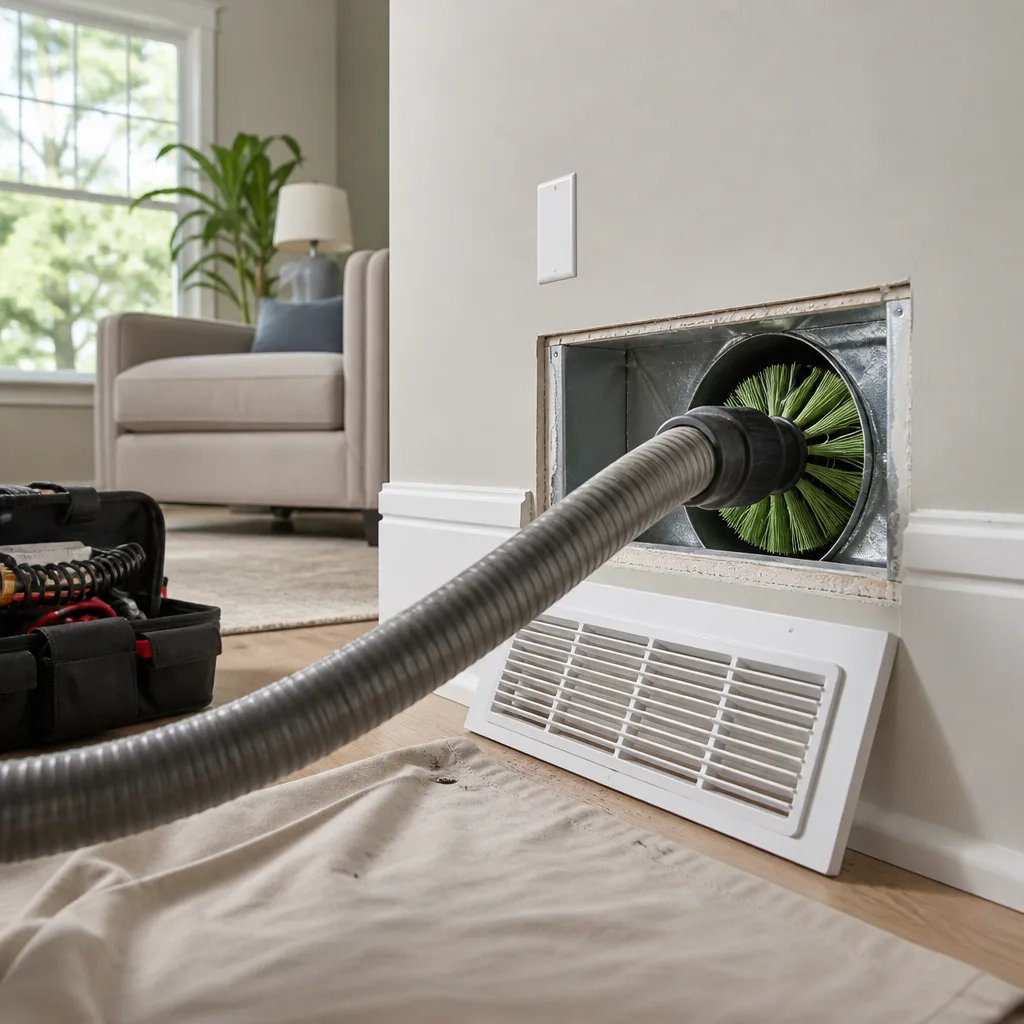
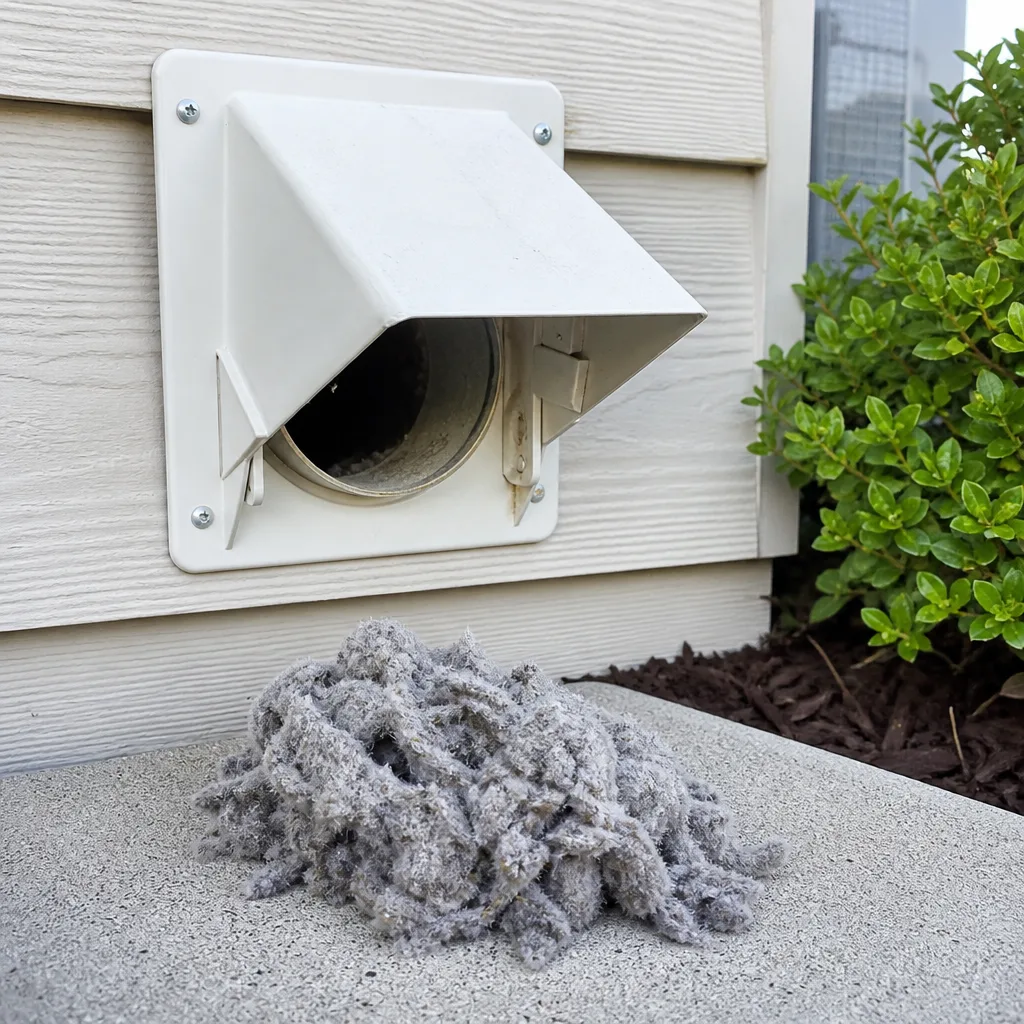
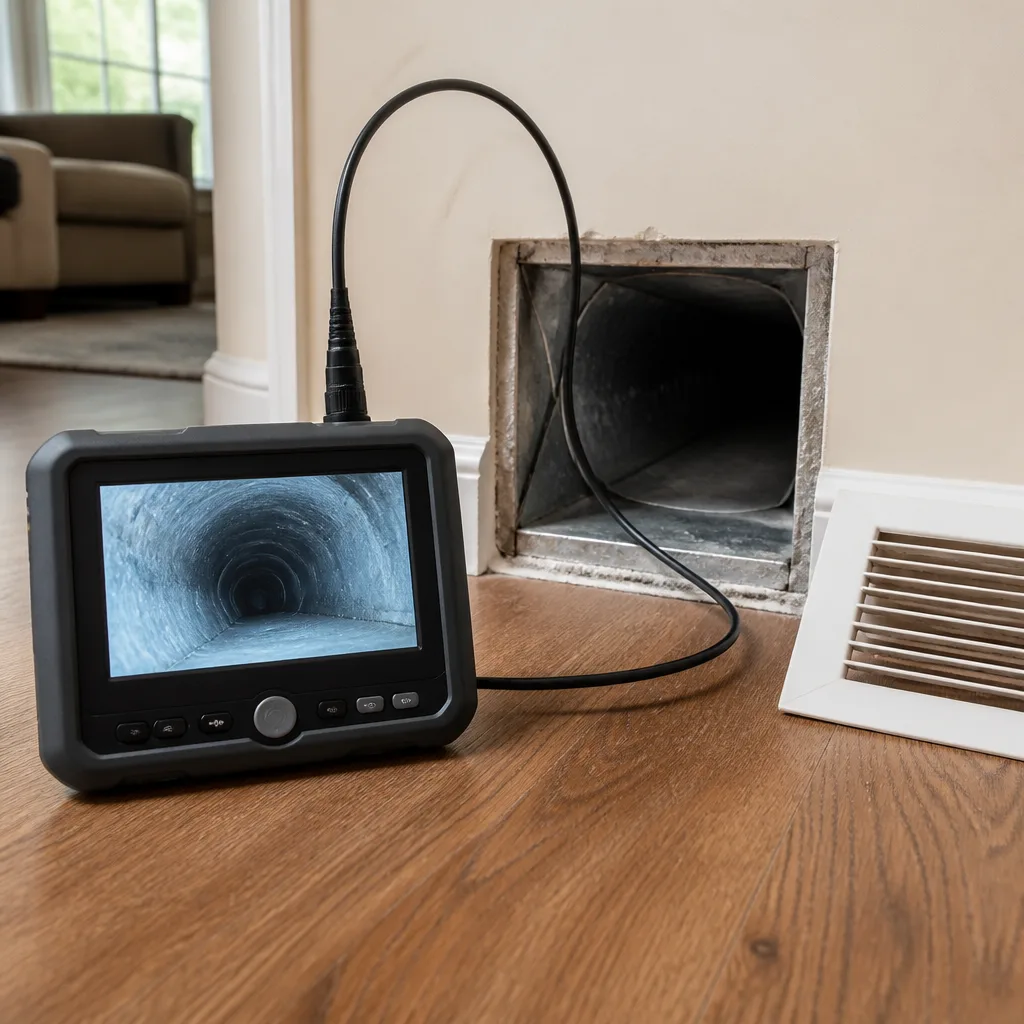
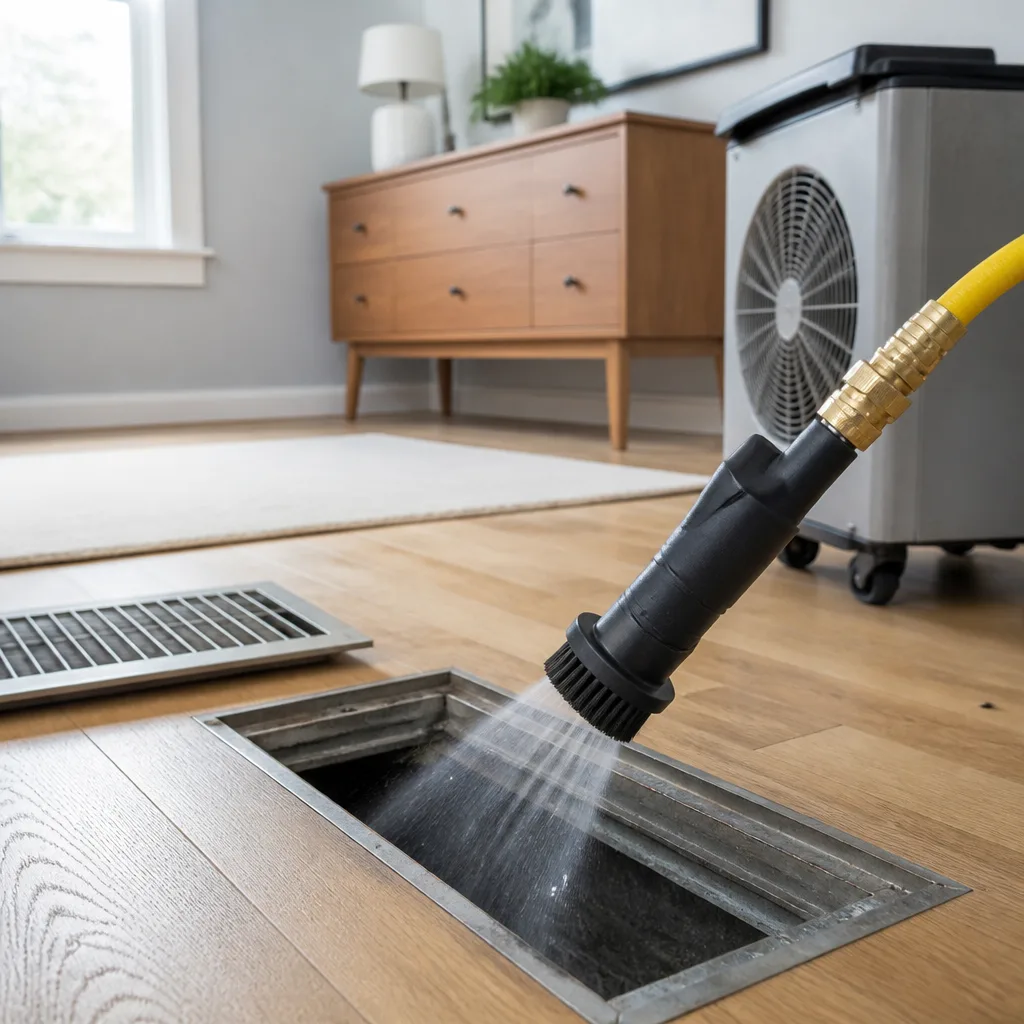
Whole-system duct and dryer vent check with before-and-after photos - you see exactly what came out of your vents
That "$99 whole-house special" is a bait ad - the real number appears once they are in your hallway, or the "clean" is a shop-vac at the register. We photograph the inside of your ducts before and after instead.
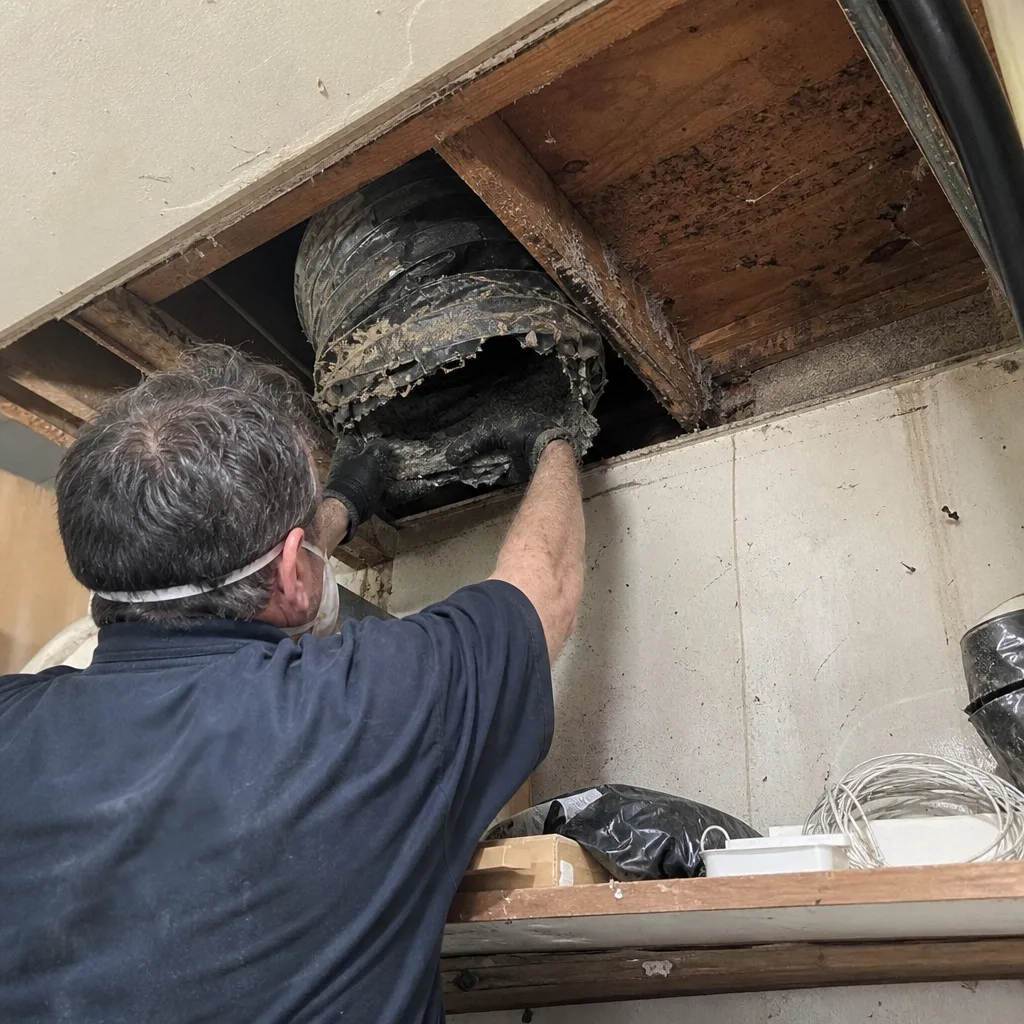 Before
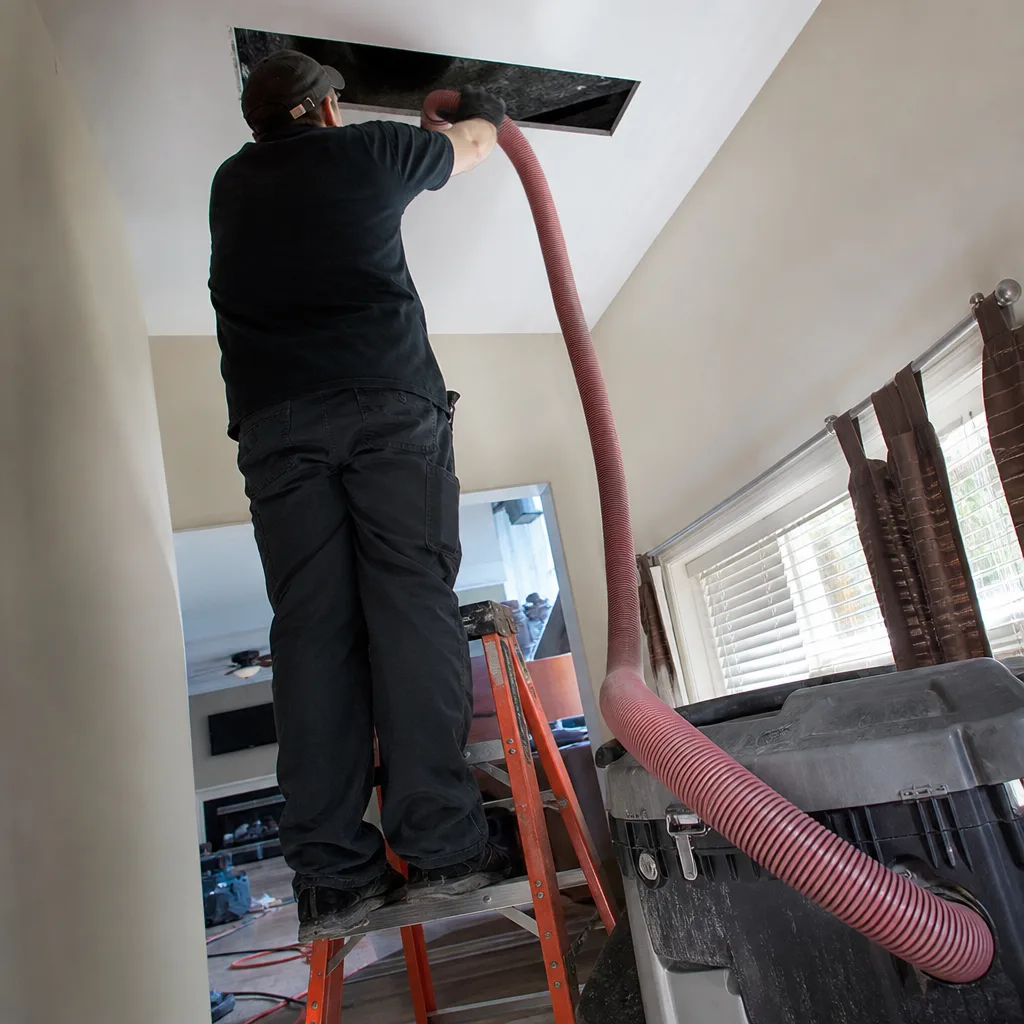 After
After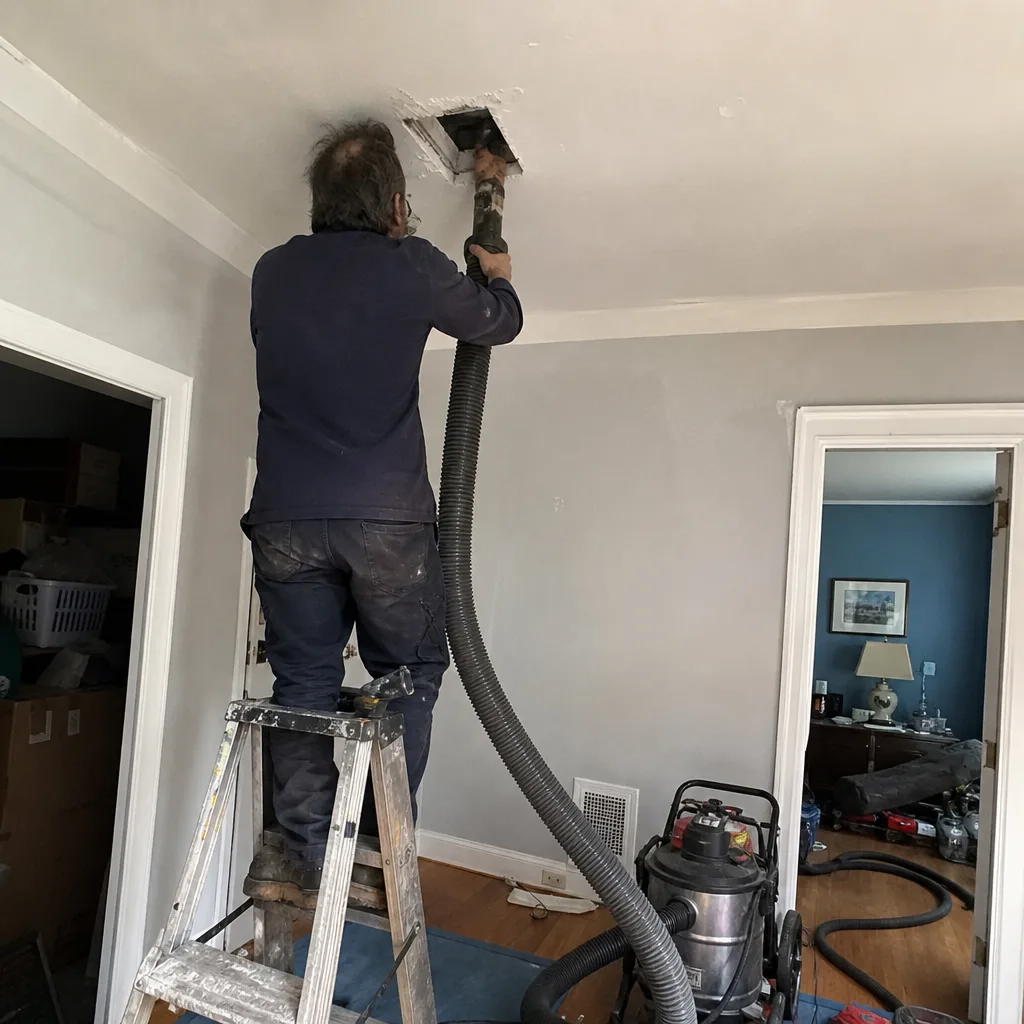 Before
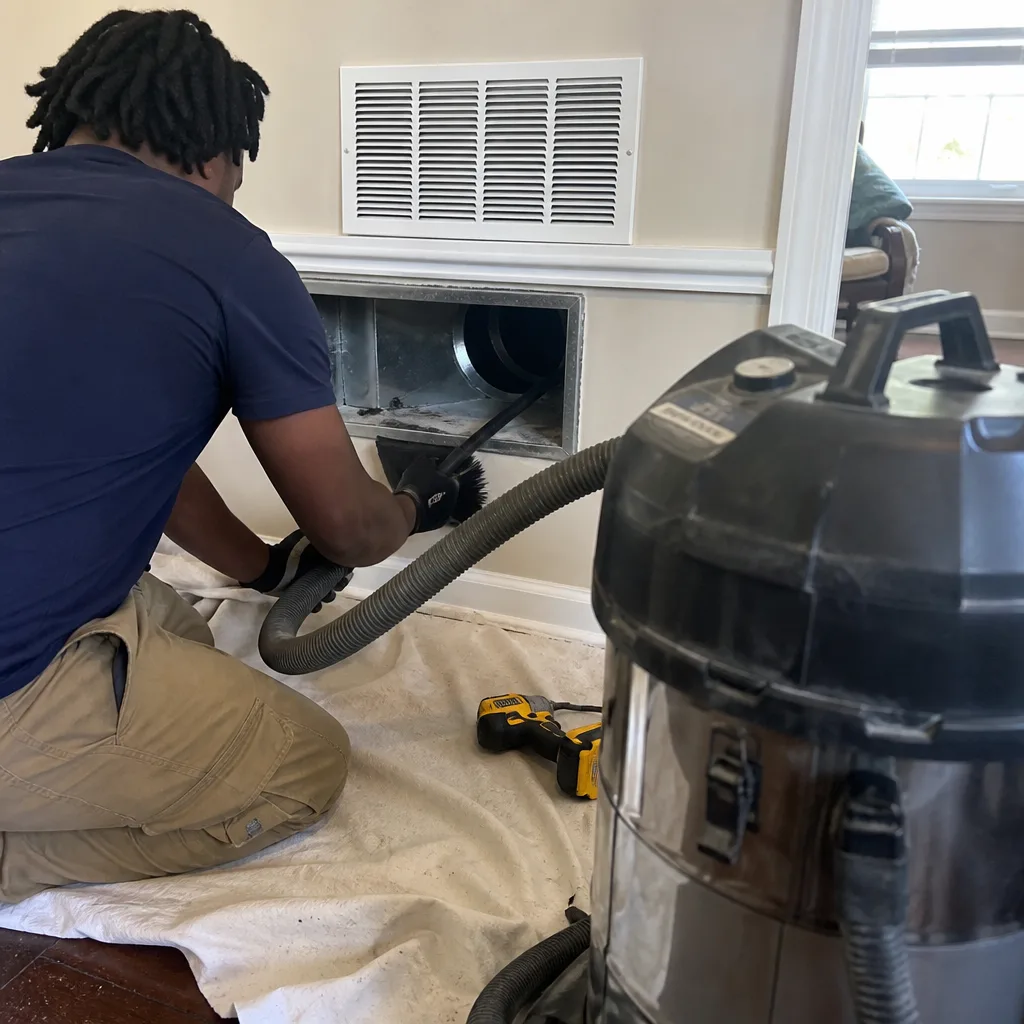 After
After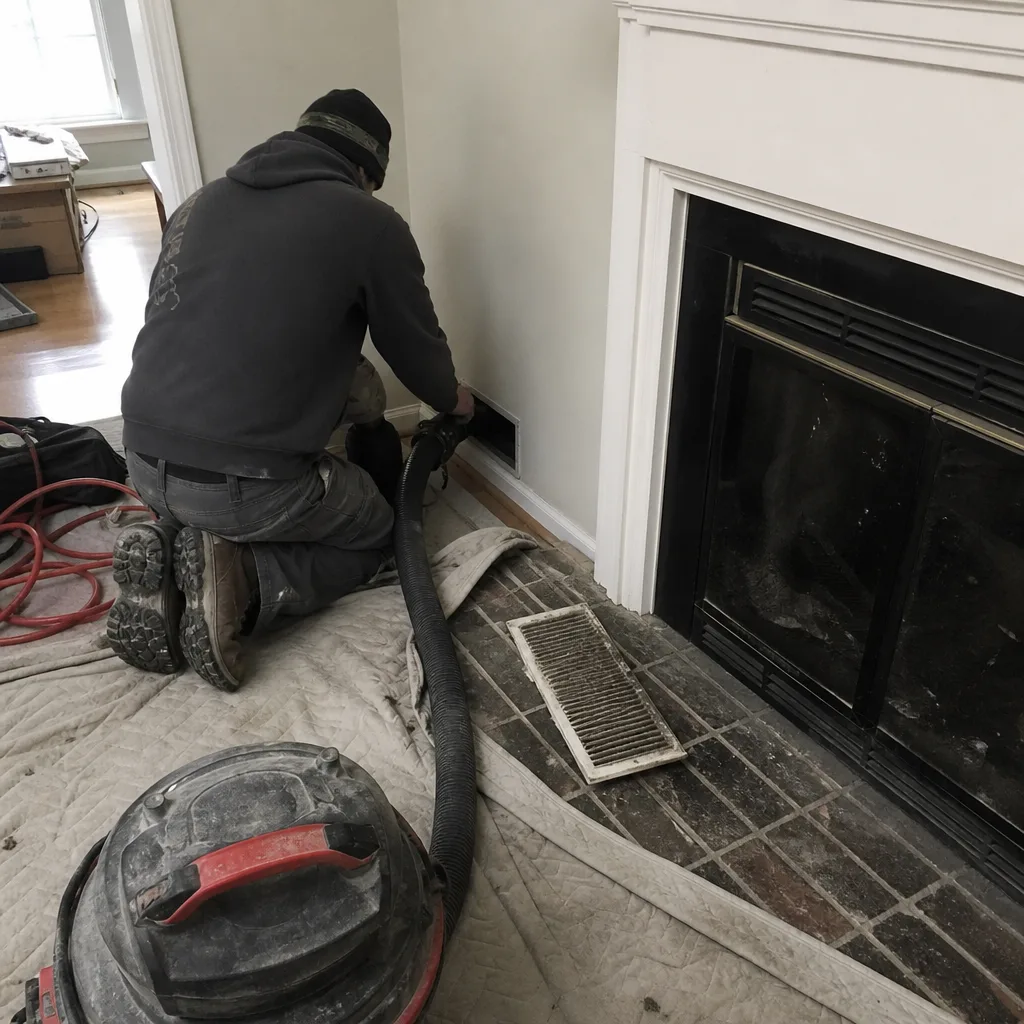 Before
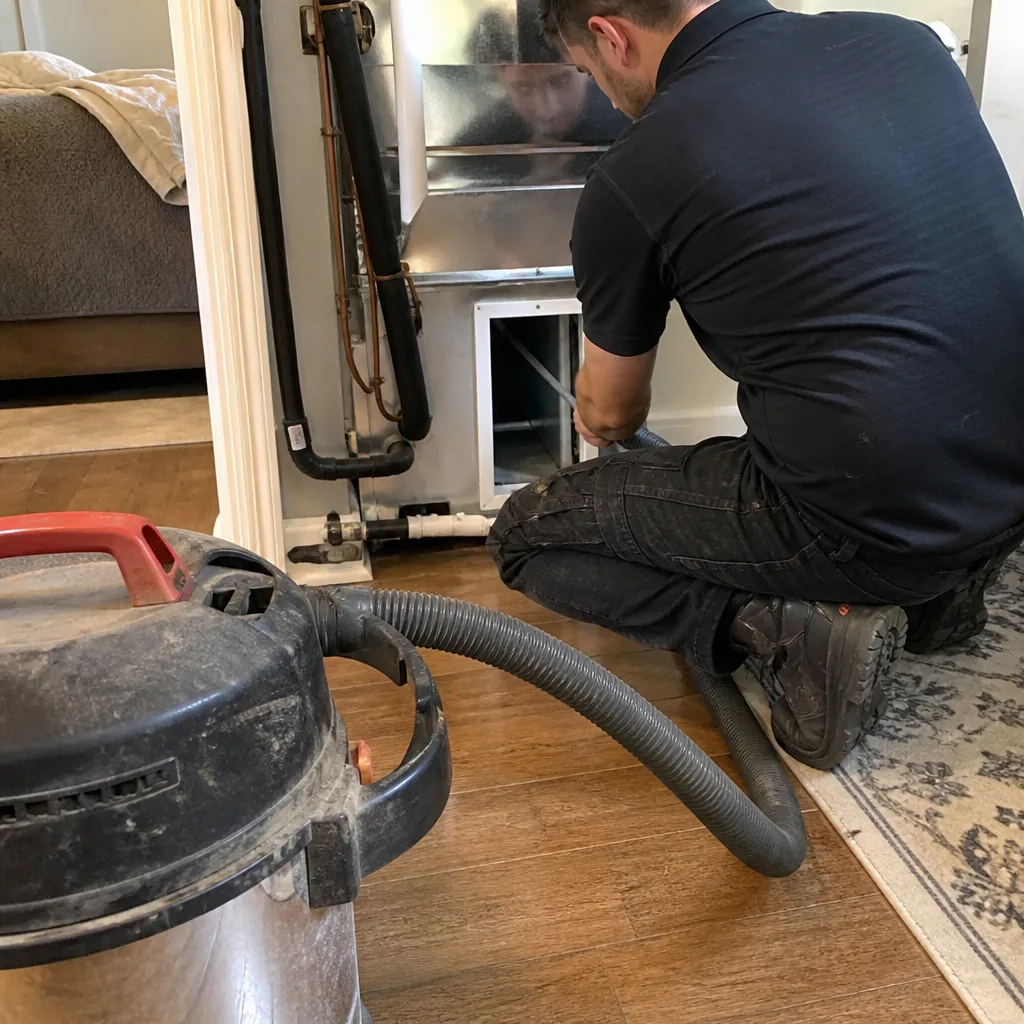 After
AfterSeasonal Air Duct Cleaning Care for Fairfax: Year-Round Homeowner’s Guide
The worst time to book a duct cleaning in Fairfax is after your HVAC has run all summer. That’s when every HVAC company also wants your money, lead times stretch, and rushed jobs increase. The inspection, not the cleaning, is what belongs on the spring calendar. Fairfax’s four-season climate creates distinct stress events for duct systems, and homeowners who understand these patterns can time service decisions to actual system condition rather than a contractor’s slow season. This guide maps each season’s specific threats, gives you month-by-month actions to build a condition log, and explains when cleaning helps and when it wastes money.
Quick Answer
Fairfax homeowners should treat duct maintenance as a seasonal response system, not an annual calendar event. Spring demands pollen-load inspection, summer requires humidity monitoring at the supply plenum, fall calls for exterior intake checks after leaf drop, and winter often reveals drywall dust from heating-season renovation projects. The highest-ROI service is post-renovation cleaning timed to actual debris documentation, not a recurring appointment.
Table of Contents
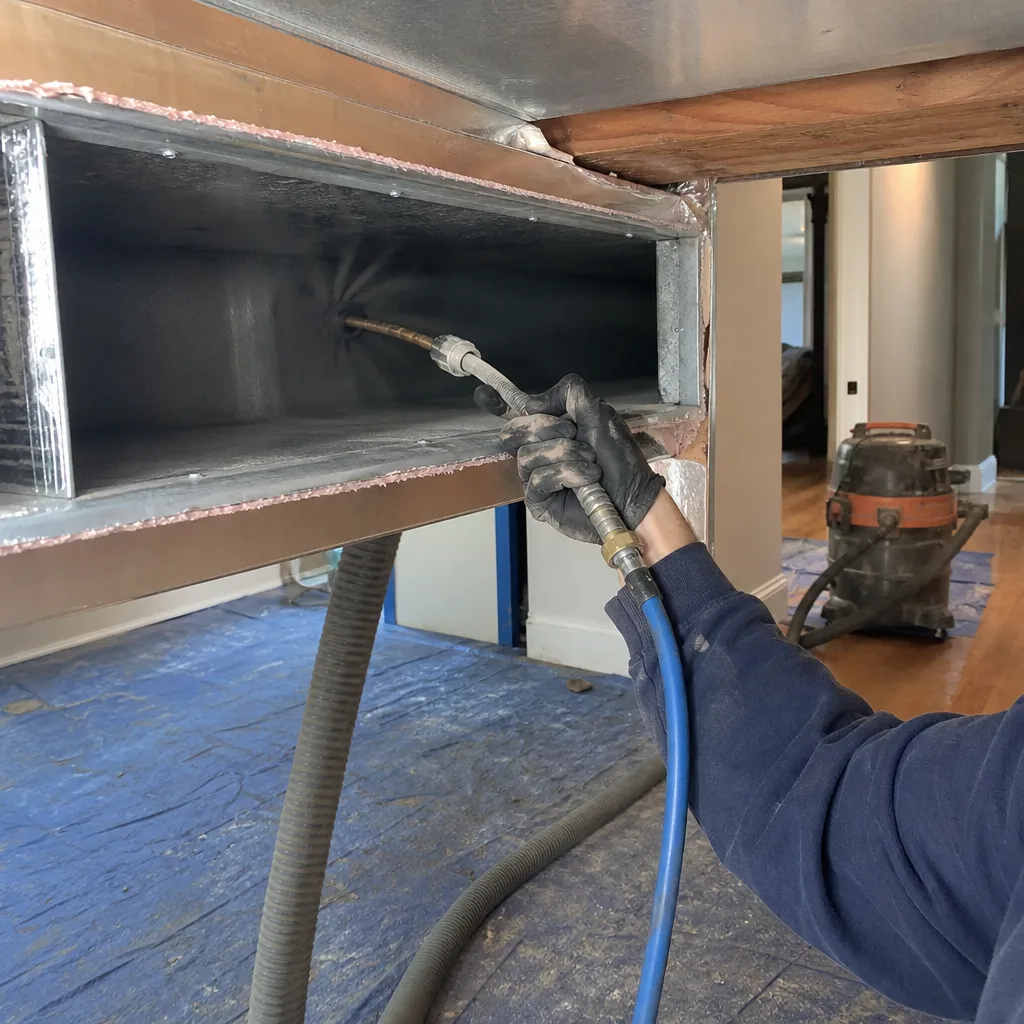
- How Fairfax’s Four Seasons Stress Your Duct System
- Spring: Pollen Loading and the Real Case for Inspection
- Summer: Humidity, Condensation, and When Cleaning Backfires
- Fall: Leaf Debris, Rodent Activity, and Exterior Intake Risks
- Winter: Drywall Dust, Construction Debris, and Post-Renovation Cleaning
- Month-by-Month Homeowner Action List
- Should You Schedule Cleaning This Season? A Decision Tree
- Common Mistakes to Avoid
- When to Call a Professional
- Frequently Asked Questions
BeforeAfterHow Fairfax’s Four Seasons Stress Your Duct System
Fairfax sits in the transition zone between humid subtropical and humid continental climates. That means muggy summers, freeze-thaw winters, and pollen seasons that regularly rank among the highest in the Mid-Atlantic. Your ductwork doesn’t experience these conditions abstractly. Each season deposits specific materials, creates specific mechanical stresses, and produces specific symptoms you can document.
We’ve been photographing the inside of Fairfax duct runs since 2013, and the seasonal patterns are consistent enough to predict. Spring cameras show yellow-green pollen cakes at the first elbow behind bedroom registers. Summer inspections reveal water staining in flex duct above crawl spaces in neighborhoods like Mantua and Kings Park West, where the water table sits high. Fall calls from Vienna and Oakton often trace to leaf debris pulled through compromised exterior intakes. Winter jobs in the Mosaic District and Fairfax City proper frequently follow condo and townhouse renovations that ran through heating season.
The key distinction: these are triggers, not schedules. A home with mature oak canopy, no basement dehumidifier, and a 2019 HVAC replacement faces different fall and summer risks than a 1960s split-level with original galvanized duct and a finished basement. The seasonal framework lets you match your specific home to the right action at the right time.
Spring: Pollen Loading and the Real Case for Inspection
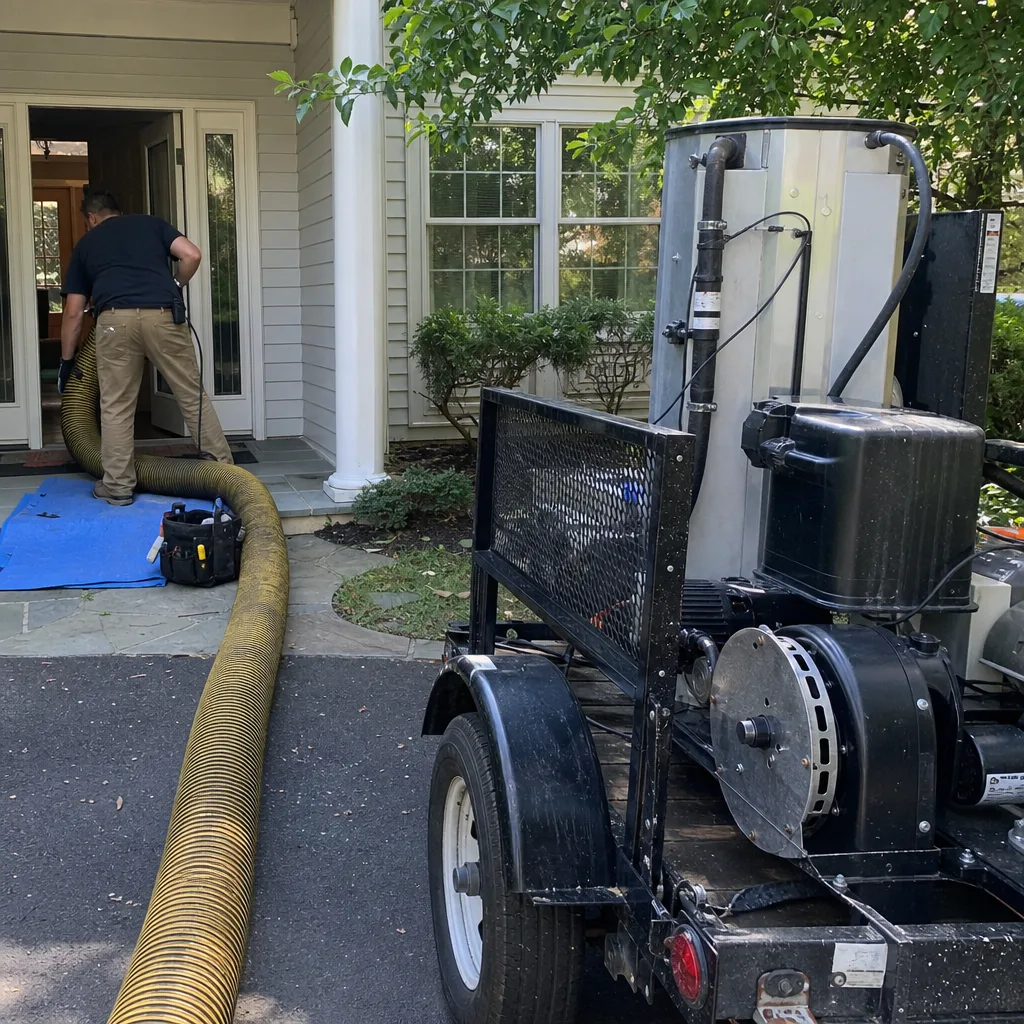
Fairfax’s tree pollen season typically peaks late March through early May, with oak, birch, and maple contributing the highest volumes. Pollen enters duct systems through intake vents, around filter gaps, and through return plenums that aren’t fully sealed. The particles that bypass your filter don’t stay airborne. They settle at low-velocity points: the first elbow after a register, the transition from vertical to horizontal runs, and the dead zone behind closed bedroom doors.
By late May, we’ve documented debris build-ups of 2 to 4 millimeters at these collection points in homes within a mile of Fairfax County Parkway. The material looks like felted yellow-green lint. It restricts airflow measurably, but more importantly, it becomes a nutrient base for mold spores when summer humidity arrives.
What to do in spring:
- Upgrade to a MERV 11 or 13 filter at the first March warm spell, not when pollen is already visible on your car.
- Check register faces for pollen accumulation. Wipe with a white cloth. If yellow-green residue appears, your filter isn’t catching everything.
- Schedule a camera inspection, not a cleaning, in mid-April. The photo record shows whether pollen has reached the duct interior or is still a surface issue.
- Document humidity at the supply plenum with a basic hygrometer. Baseline readings before summer matter.
The inspection-first approach matters because spring is when Fairfax homeowners are most vulnerable to aggressive coupon marketing. A $79 “whole house special” in April typically covers two registers and a shop-vac hose waved at a third. The Air Duct Cleaning in Fairfax page explains how CleanRun structures written pricing for full-system work. Haven Standard Clause 1 requires the written price before any panel comes off, which means you know the scope before anyone enters your home.
If the camera shows significant pollen loading, cleaning before summer humidity arrives prevents the mold colonization that turns a $400 maintenance job into a $1,200 remediation. If the camera shows clean runs, you’ve spent the inspection fee to avoid unnecessary service. Either outcome is documented in the photo record delivered as a standard job deliverable.
Summer: Humidity, Condensation, and When Cleaning Backfires
Fairfax summer humidity regularly pushes relative humidity above 70% outdoors. Inside duct systems, the risk point is the supply plenum, where cold conditioned air meets the warmest surface temperatures in the system. When sustained relative humidity at that junction exceeds 55%, condensation forms on duct interiors. Cleaning ducts under these conditions without addressing the moisture source creates a worse problem than the one you started with.
Here’s why. Negative-pressure extraction, the method used with professional equipment like Rotobrush and Nikro systems, disturbs biofilm and settled spores. If humidity remains high, those now-airborne particles re-colonize on freshly exposed duct surfaces within 48 to 72 hours. The duct looks clean. The moisture meter tells a different story.
We’ve seen this in Fairfax homes near Accotink Creek and in the Hunt Valley watershed, where summer groundwater keeps crawl space humidity elevated. In one 2022 job in the Penderbrook area, a homeowner had ducts cleaned in July by another company. By September, mold was visible at register faces. The camera showed new growth on surfaces that had been photographed clean eight weeks prior. The root cause: a disconnected condensate line keeping the basement at 68% RH, never addressed because the cleaning was sold as a standalone service.
Critical threshold: Sustained relative humidity above 55% RH at the supply plenum means cleaning should wait until the moisture source is fixed. This may mean:
- Repairing condensate drainage or adding a condensate pump
- Sealing crawl space vents and adding a dehumidifier
- Insulating basement duct runs with proper vapor barrier
- Addressing filter bypass that allows warm, humid return air to mix with supply air
CleanRun’s crews carry humidity meters and document readings at the plenum before recommending any summer service. The photo record includes these readings. If humidity is elevated, we write a scope that addresses the moisture first, the debris second. The 365-Day Done Right Promise covers both phases, but only if they’re sequenced correctly.
For homes with properly controlled humidity, summer cleaning does have advantages. HVAC runtime is highest, so immediate airflow improvement is noticeable. And the equipment is already working hard, so any restriction you remove translates directly to operating cost. The HVAC Cleaning in Fairfax page covers full system cleaning that includes coils and blower, not just ducts.
Fall: Leaf Debris, Rodent Activity, and Exterior Intake Risks
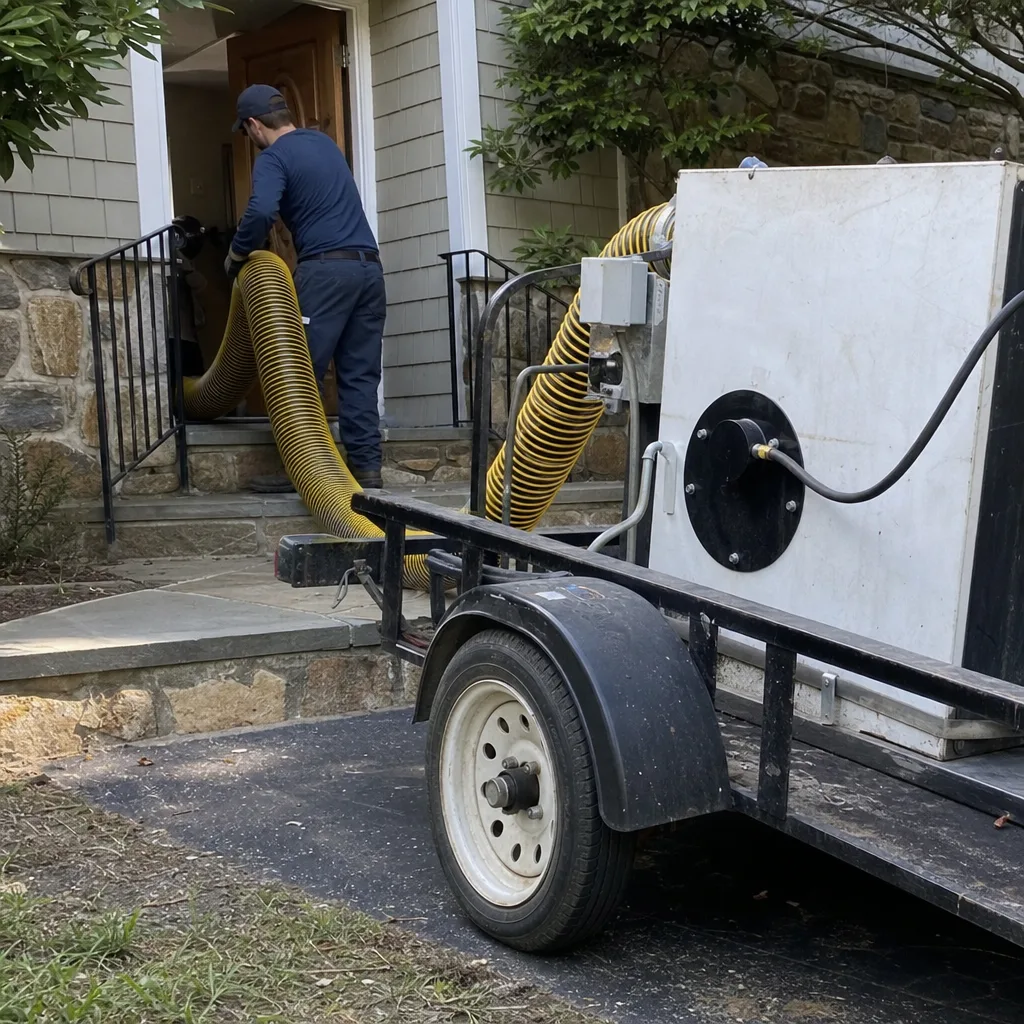
Fairfax’s mature tree canopy is a defining feature of neighborhoods from Burke to Clifton. It’s also a fall debris generator that affects duct systems through pathways many homeowners don’t inspect. Exterior intakes, fresh air inlets, and combustion air ducts collect leaves, seed pods, and the organic material that supports rodent nesting.
The critical fall action is visual inspection of every exterior penetration before the first hard freeze, typically mid-November in Fairfax County. Look for:
- Missing or damaged intake screens. A 1/2-inch gap is enough for mice, which can compress to 1/4-inch.
- Leaf accumulation at the intake hood. Wet leaves decompose into acidic sludge that corrodes galvanized steel.
- Discoloration or staining on siding below intake locations, indicating water intrusion that may have reached duct interiors.
- Evidence of chewing at flexible duct connections in crawl spaces, where rodents seek winter harborage.
In the Fairfax Station and Clifton areas, where lots exceed half an acre and tree species diversity is highest, we’ve found oak gall and hickory nut fragments inside duct runs 30 feet from the nearest exterior wall. The intake screen had failed two seasons prior; the homeowner never checked because the HVAC contractor’s fall tune-up didn’t include intake inspection.
Rodent activity in fall is predictable. Mice follow temperature gradients and food odors. Duct systems offer both, plus protected travel routes. The telltale sign at registers is dark, rice-grain-shaped droppings or the musty, ammonia-forward odor of active nesting. If you find either, don’t schedule cleaning first. Exclusion and trapping must precede duct service, or you’re paying to clean ducts that will be re-contaminated within weeks.
CleanRun’s fall inspections include intake photography and crawl space documentation. If rodent evidence is found, we refer to trusted local wildlife control partners and schedule duct service after exclusion is verified. The photo record from the initial inspection becomes the baseline for post-exclusion comparison. This sequencing, specified in Haven Standard Clause 4: Documented Scope, prevents the repeat service calls that damage trust.
Winter: Drywall Dust, Construction Debris, and Post-Renovation Cleaning
Fairfax’s housing stock is active. Homes built 2015 to 2025 in communities like Fair Lakes, Fairfax Corner, and the revitalized Fairfax City corridor are now entering their first major renovation cycle. Kitchen remodels, basement finishes, and HVAC upgrades generate drywall dust, fiberglass fragments, and construction debris that enter duct systems through open registers, temporary heating operations, and pressure imbalances from window removal.
Winter is peak renovation season in Fairfax for practical reasons: contractors book indoor work when outdoor projects slow, and homeowners use tax refunds or year-end bonuses to fund improvements. The result is heating-season construction with active ductwork.
Drywall dust is particularly damaging because it’s hygroscopic, meaning it attracts and holds moisture. A thin film on duct interiors becomes a paste that traps subsequent debris, accelerates corrosion at metal joints, and provides substrate for mold when humidity rises. We’ve photographed drywall dust layers exceeding 3 millimeters in homes where the contractor “covered the vents with plastic” but ran the temporary heater through the system for six weeks.
Post-renovation cleaning is the highest-ROI duct service for Fairfax’s market. Not because it’s expensive, but because the debris load is documented, the source is known, and the benefit is immediate and verifiable. Compare this to calendar-based cleaning, where you’re removing an unknown quantity of unknown material for unknown benefit.
The correct sequence after renovation:
- Wait 72 hours after final construction cleanup for dust to settle.
- Run the HVAC fan continuously for 24 hours to redistribute any suspended particles.
- Schedule camera inspection with photo record of every duct run.
- Review the written scope and price before work begins. For typical Fairfax townhomes, post-renovation cleaning ranges from $450 to $780 depending on system size and debris load. Single-family homes with basement extensions and multiple zones typically range $680 to $1,150.
- Verify that the scope includes register removal and hand cleaning, not just hose insertion. Construction debris wedges in register throats where rotating brushes don’t reach.
CleanRun’s documented photo record is particularly valuable for post-renovation work. The before photos show construction-specific debris, the after photos verify removal, and the comparison becomes documentation for contractor disputes or warranty claims. We’ve had Fairfax homeowners use our photo records to recover cleaning costs from contractors who failed to protect ductwork during work.
The Dryer Vent Cleaning in Fairfax page covers another winter-critical service, as dryer vent blockages from lint accumulation peak during heavy bedding and sweater season.
Month-by-Month Homeowner Action List
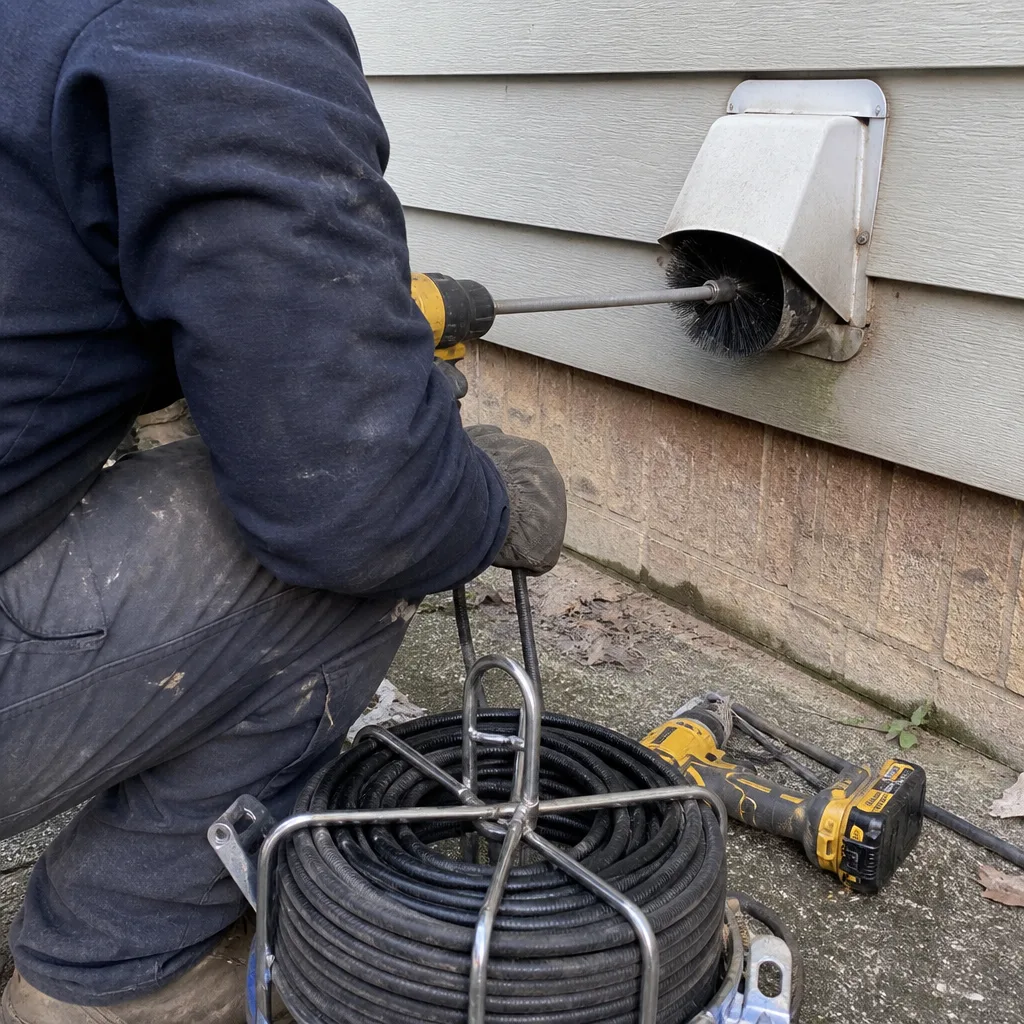
The goal is building a condition log, not following a cleaning schedule-see our more guides & resources for ongoing maintenance strategies. Document what you find, and service decisions follow naturally.
March
- Install fresh MERV 11+ filter
- Photograph filter face for baseline
- Note first pollen accumulation on outdoor surfaces
April
- Wipe register faces with white cloth, photograph any residue
- Schedule camera inspection if pollen visible or allergies worsened year-over-year
- Record humidity at supply plenum with hygrometer
May
- Final filter change before summer load
- Inspect condensate line for flow and drainage
- Document any musty odors at startup
June
- Check crawl space or basement for standing water
- Verify dehumidifier operation if present
- Do not schedule duct cleaning if plenum RH exceeds 55%
July-August
- Monitor energy bills for unexplained increase
- Check register airflow with tissue test (tissue should cling firmly)
- Document any new odors or visible debris at registers
September
- Pre-fall filter change
- Visual inspection of all exterior intakes
- Check attic and crawl space for rodent evidence
October
- Clean intake screens, photograph condition
- Verify damper operation on fresh air intakes
- Schedule inspection if renovation completed in past 6 months
November
- Final exterior inspection before hard freeze
- Replace filter for heating season
- Document any construction projects planned for winter
December-February
- Post-renovation camera inspection if construction occurred
- Monitor for drywall dust at registers
- Maintain filter change schedule (every 60-90 days in heating season)
This log becomes valuable evidence if you need service. A technician who sees dated photos, humidity readings, and filter change records can diagnose faster and scope more accurately. The homeowner who calls with “I think I need my ducts cleaned” gets a different response than the one who calls with “My April 15 camera inspection showed 3mm pollen build-up at the master bedroom elbow, and my plenum humidity was 48%. My July energy bill was $40 higher than last year.”
Should You Schedule Cleaning This Season? A Decision Tree
Answer these questions with documentation, not memory.
Have you completed a renovation in the past 6 months?
Yes → Schedule camera inspection. Post-renovation cleaning is indicated if construction debris is visible in ducts or at registers. This is the highest-ROI service category.
No → Continue to next question.
Do you have dated photo or visual evidence of debris at registers or in ducts?
Yes → Schedule inspection to assess extent and location. Localized debris may indicate register-specific issue rather than full-system need.
No → Continue to next question.
Has a professional camera inspection within the past 12 months shown debris build-up exceeding 2mm at any collection point?
Yes → Cleaning is indicated if humidity conditions permit. Verify plenum RH below 55% before scheduling.
No → Continue to next question.
Are you experiencing symptoms that correlate with HVAC runtime (allergies, odors, uneven airflow)?
Yes → Inspection indicated to distinguish duct issues from filter, coil, or mechanical problems. The CleanRun Air Duct Cleaning Fairfax home page explains how we structure diagnostic visits.
No → Continue to next question.
Has it been more than 3 years since any duct inspection, and do you have risk factors (mature trees nearby, recent rodent activity, finished basement with flex duct)?
Yes → Baseline inspection is reasonable preventive action. Written price before work, photo record after.
No → No documented indication for service. Continue monthly actions and re-evaluate next season.
This decision tree reflects how CleanRun actually consults with Fairfax homeowners. We don’t sell annual packages. We don’t offer “maintenance plans” that auto-book cleaning. The Haven Standard requires documented indication for every service, and the photo record provides that documentation.
Common Mistakes to Avoid
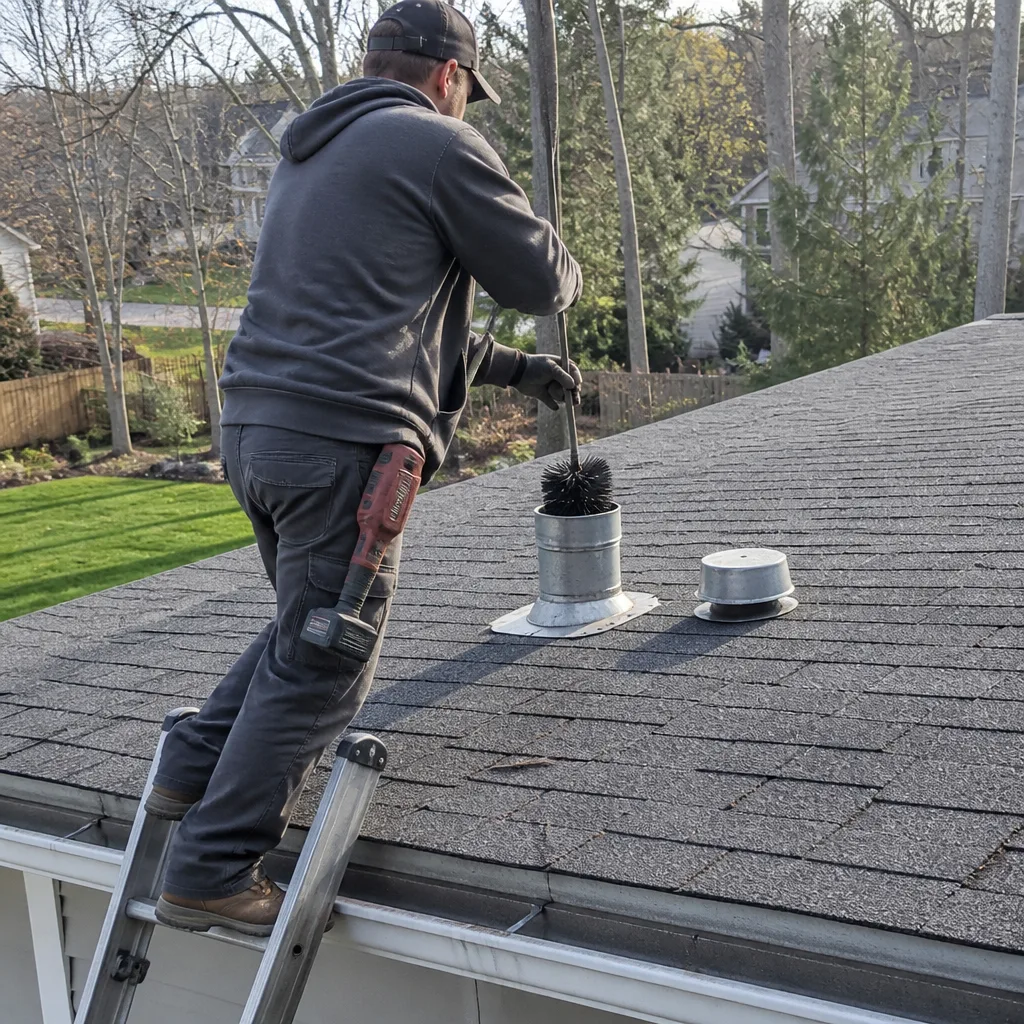
- Booking cleaning after pollen season without inspection first. You may be paying to remove material that never reached the duct interior, or missing material that requires different treatment. The camera shows the difference.
- Ignoring humidity before summer service. In Fairfax’s climate, cleaning damp ducts can accelerate mold growth. The 55% RH threshold at the supply plenum is a hard stop, not a suggestion.
- Accepting per-vent pricing. This structure incentivizes minimal work per opening. CleanRun quotes one flat price per system, agreed in writing before work starts, based on actual system configuration.
- Skipping exterior intake inspection in fall. Leaf debris and rodent access are preventable conditions that become expensive problems. A 10-minute visual inspection in October avoids a February emergency call.
- Assuming new construction means clean ducts. Fairfax’s 2015-2025 housing stock often has construction debris, drywall dust, and even discarded lunch wrappers in duct runs. The “new home” smell is often off-gassing from debris, not freshness.
- Cleaning without photo documentation. Without before-and-after images, you have no verification of work performed, no baseline for future comparison, and no evidence if problems recur. CleanRun includes this documentation on every visit as a standard deliverable, not an upsell.
- Treating duct cleaning as a standalone solution for HVAC problems. Weak airflow, temperature imbalance, and high energy bills often trace to mechanical issues, duct leakage, or insulation gaps. Cleaning addresses debris, not design.
When to Call a Professional
Call when you have documented evidence of a problem, not when a calendar says you’re due. Specific scenarios: visible debris or mold at registers, persistent odors that correlate with system runtime, airflow reduction confirmed by tissue test or room-to-room comparison, post-renovation status with no prior inspection, or any rodent evidence in duct-adjacent spaces.
CleanRun Air Duct Cleaning Fairfax offers free estimates in Fairfax. Every estimate includes a written price before any work begins, under Haven Standard Clause 1. Our crews use Rotobrush, Nikro, and Abatement Technologies equipment, and every job concludes with a Documented Photo Record of every duct run. The 365-Day Done Right Promise covers all work in writing. Call (571) 526-0015 to schedule.
Frequently Asked Questions
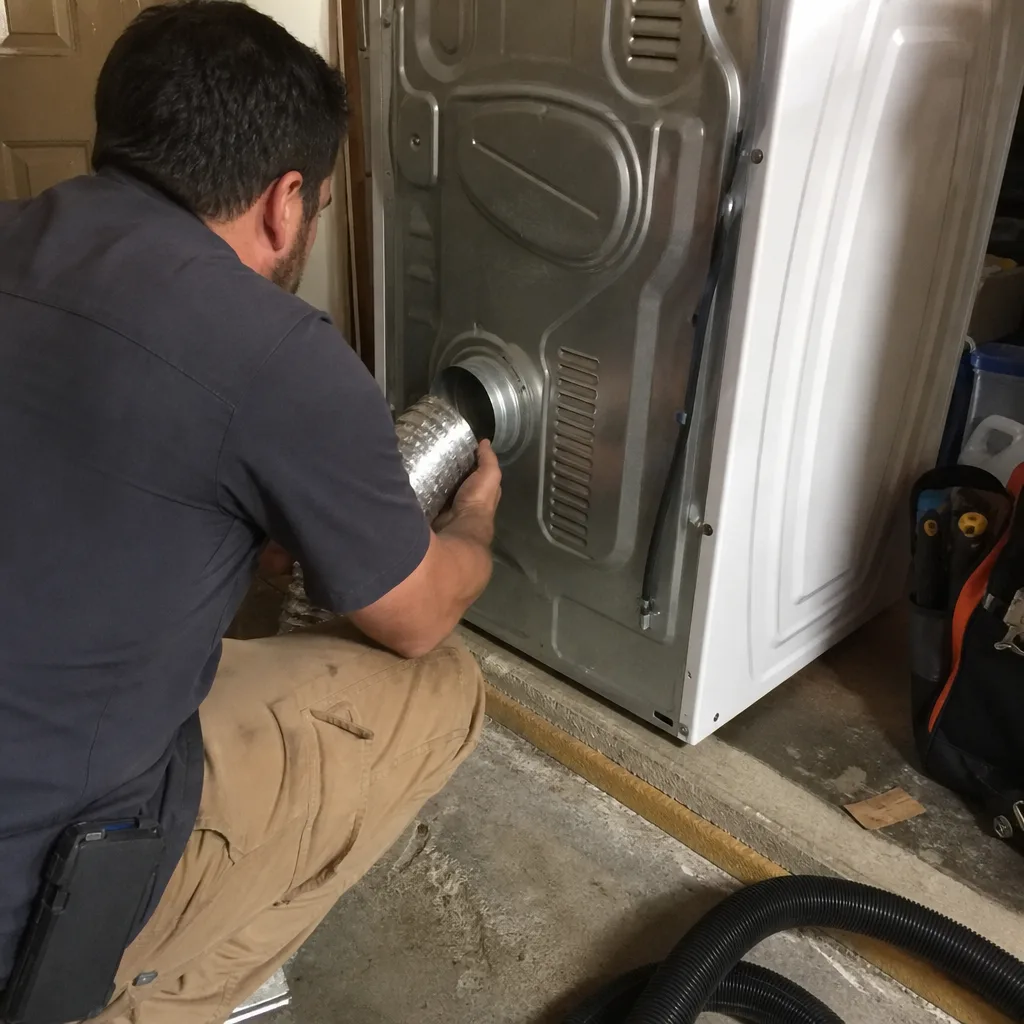
Whole-system duct cleaning in Fairfax typically ranges from $450 to $780 for townhomes and smaller single-family homes, and $680 to $1,150 for larger homes with multiple zones or basement extensions. Post-renovation cleaning, which addresses construction-specific debris, falls in the same range but is scoped individually based on documented debris load. CleanRun provides a written price before any work begins, with no per-vent add-ons or post-arrival upsells. Call (571) 526-0015 for an exact quote; estimates are free.
The $79 to $149 offers typically cover two to three registers with portable equipment, not a complete system cleaning. The full scope, if described at all, requires substantial add-ons. CleanRun’s written price under Haven Standard Clause 1 covers the complete system photographed, with no per-vent pricing. The photo record shows what was actually done.
Require before-and-after photography of every duct run, delivered as part of the job record. CleanRun includes this Documented Photo Record on every visit as standard, not optional. If a company cannot or will not provide dated, location-specific images of your actual ductwork, you cannot verify the service.
There is no fixed interval that applies to all homes. Fairfax homes with mature tree canopy, active renovation schedules, or flex duct in crawl spaces need more frequent inspection. Homes with sealed ductwork, minimal nearby vegetation, and no recent construction may go 5 to 7 years between services. The decision tree above, based on documented conditions, replaces arbitrary calendar scheduling.
Homeowners can and should maintain filters, wipe register faces, and inspect exterior intakes. Internal duct cleaning requires negative-pressure extraction equipment and camera systems to verify results. More critically, disturbing debris without proper containment can release particles into living space. For homes built before 1990, asbestos-containing duct tape or insulation may be present; disturbance without testing is hazardous. Professional service with documented safety protocols is indicated for internal work.
Fairfax’s humidity and pollen load create specific seasonal stresses that don’t exist in arid climates. The four-season pattern means debris types change throughout the year, and summer humidity creates mold risk that dry-climate homeowners don’t face. However, this doesn’t mean more frequent cleaning; it means more precise timing. Cleaning damp ducts is counterproductive. Cleaning dry ducts before humidity arrives prevents problems.
The Bottom Line
Fairfax’s four-season climate creates distinct, predictable stress events for duct systems. Spring pollen, summer humidity, fall debris, and winter construction dust each require specific responses. The homeowners who maintain best system health don’t follow cleaning schedules; they document conditions monthly, inspect before acting, and time services to actual system state. The highest-ROI service remains post-renovation cleaning with verified debris removal, not recurring maintenance of uncertain necessity. For any service, demand written pricing before work begins, photo documentation of results, and a written guarantee that survives the crew’s departure.
Written by Tomas Reyes, Owner at CleanRun Air Duct Cleaning Fairfax, serving Fairfax since 2013.