
Whole-system duct and dryer vent check with before-and-after photos - you see exactly what came out of your vents
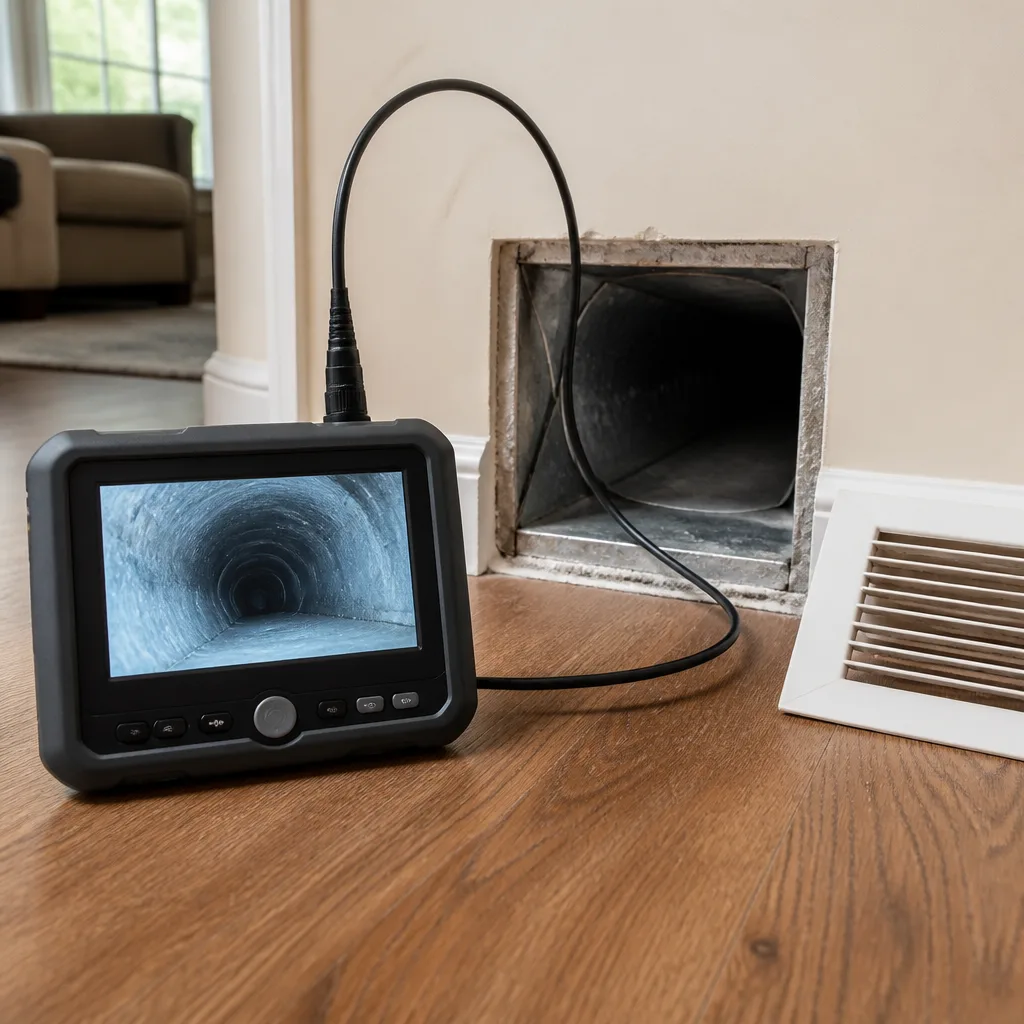
That "$99 whole-house special" is a bait ad - the real number appears once they are in your hallway, or the "clean" is a shop-vac at the register. We photograph the inside of your ducts before and after instead.
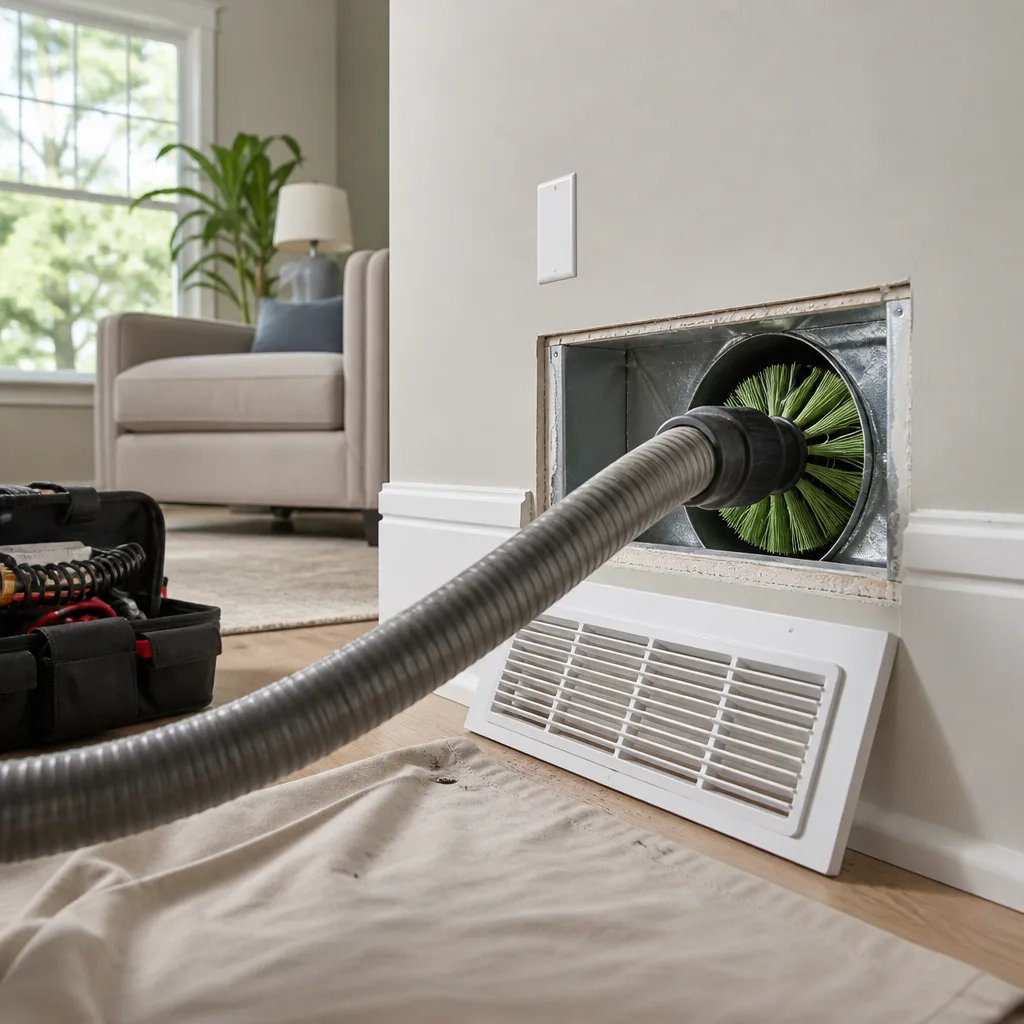
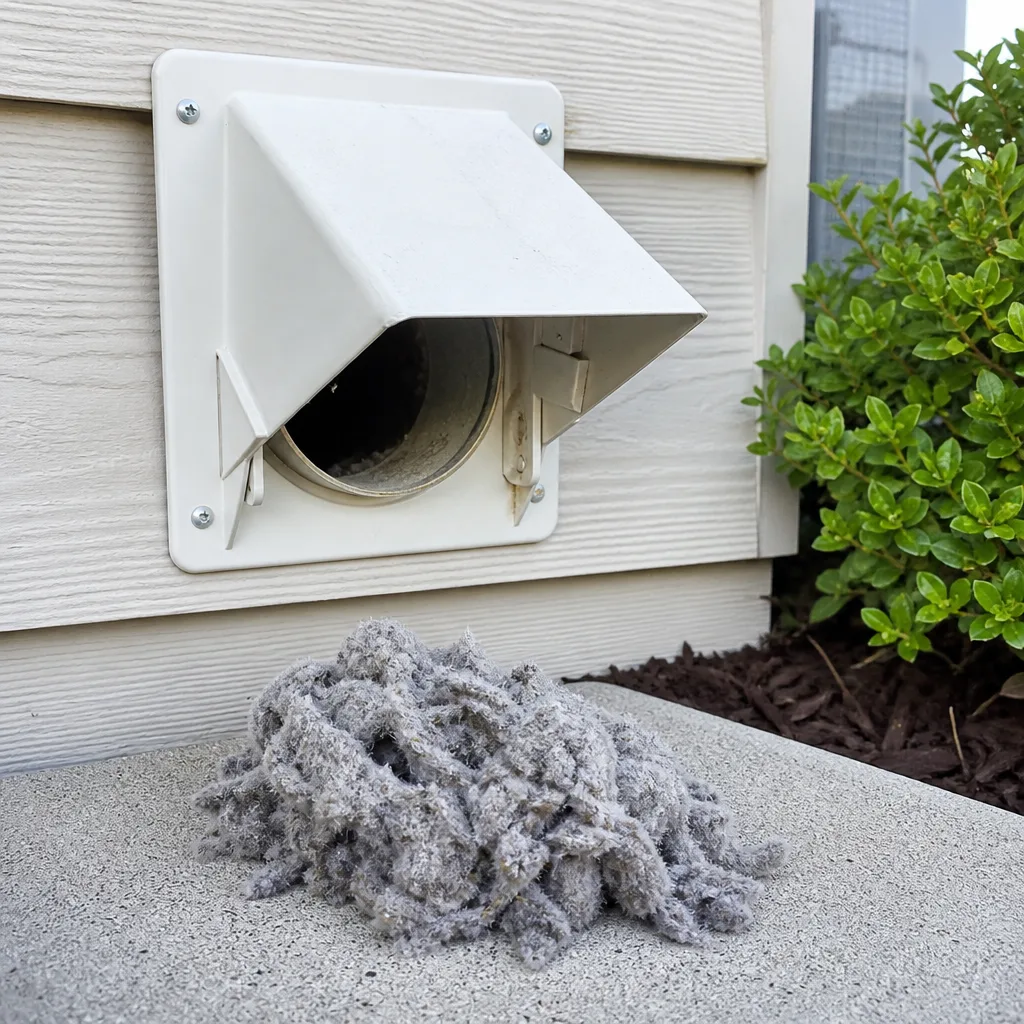
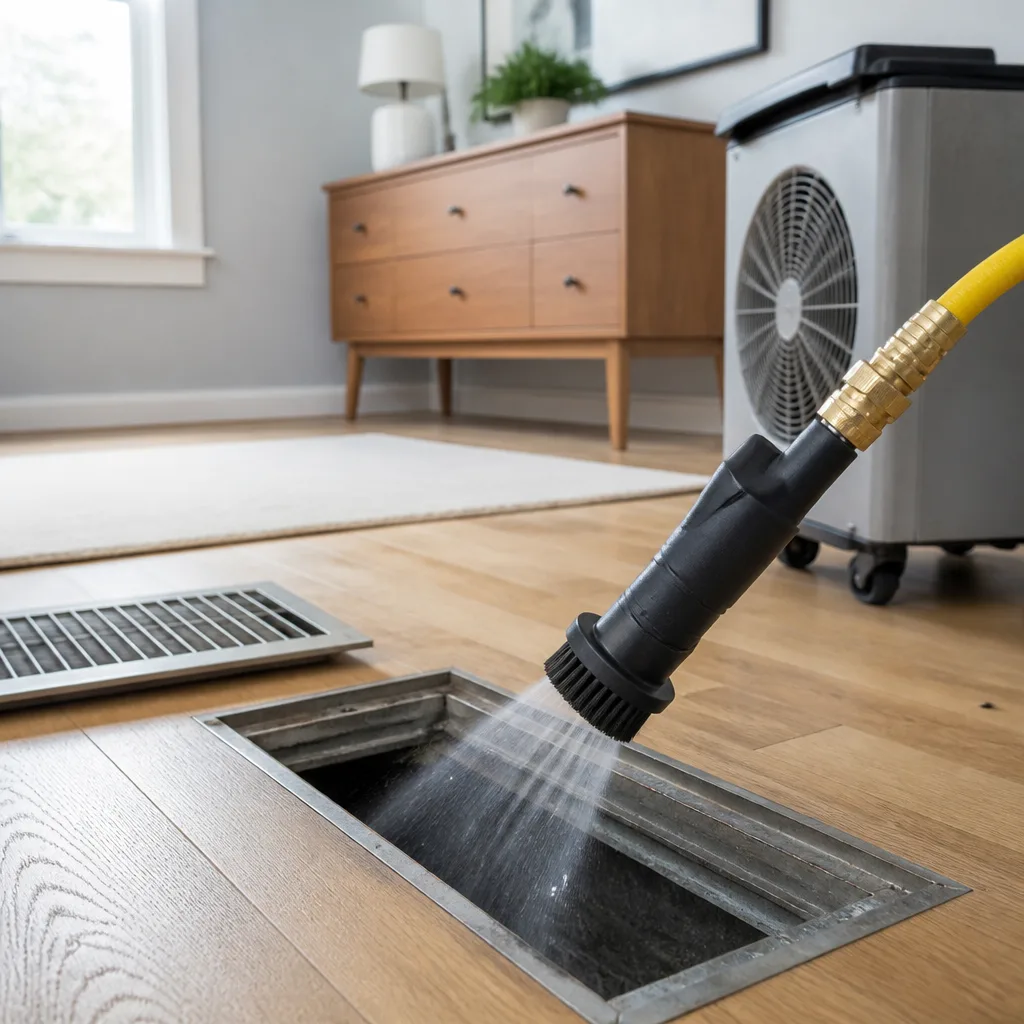
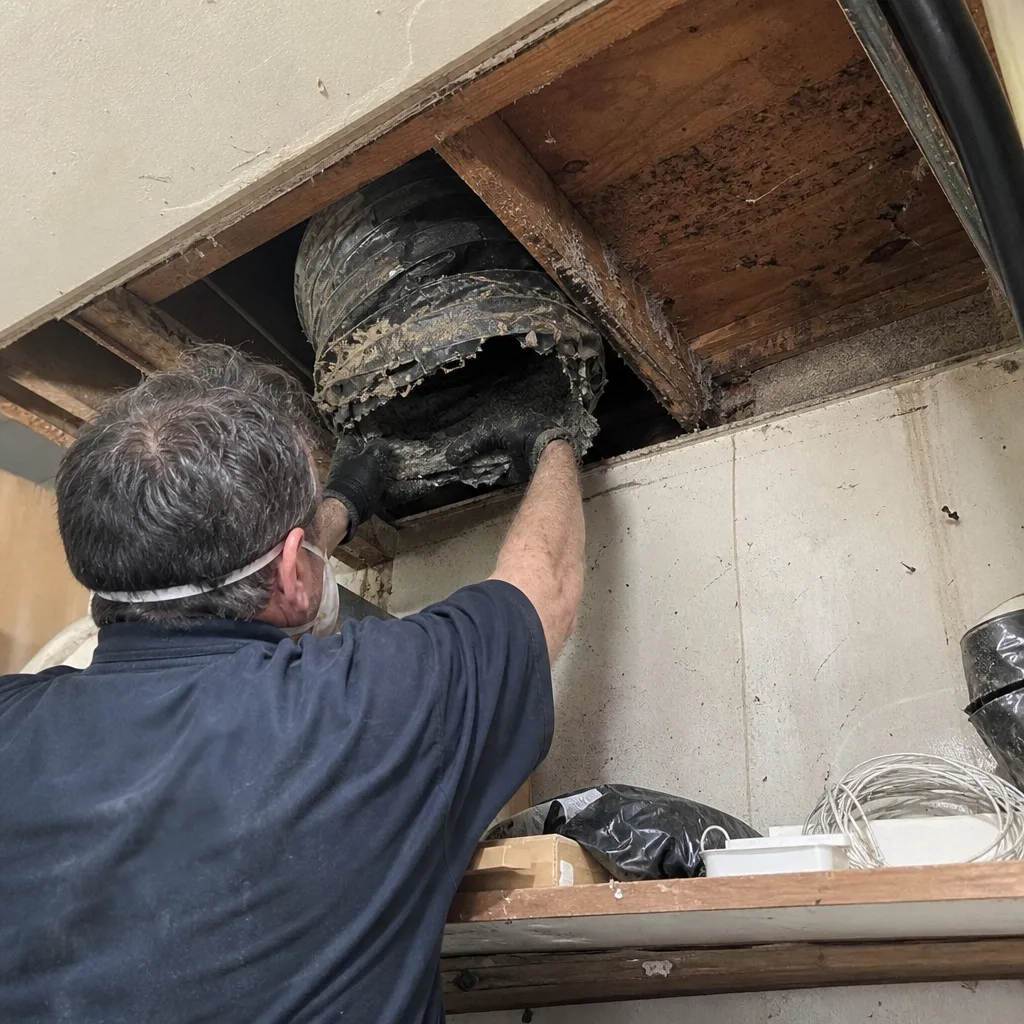 Before
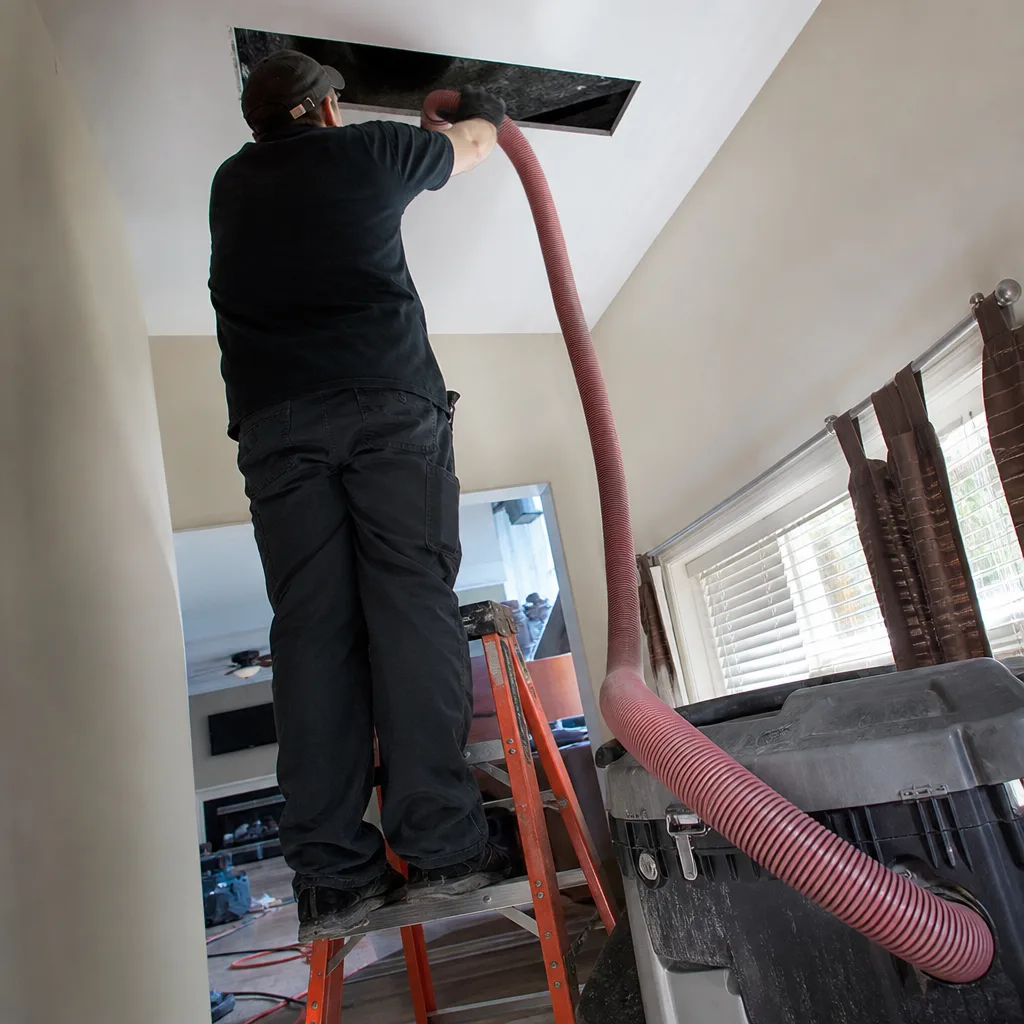 After
After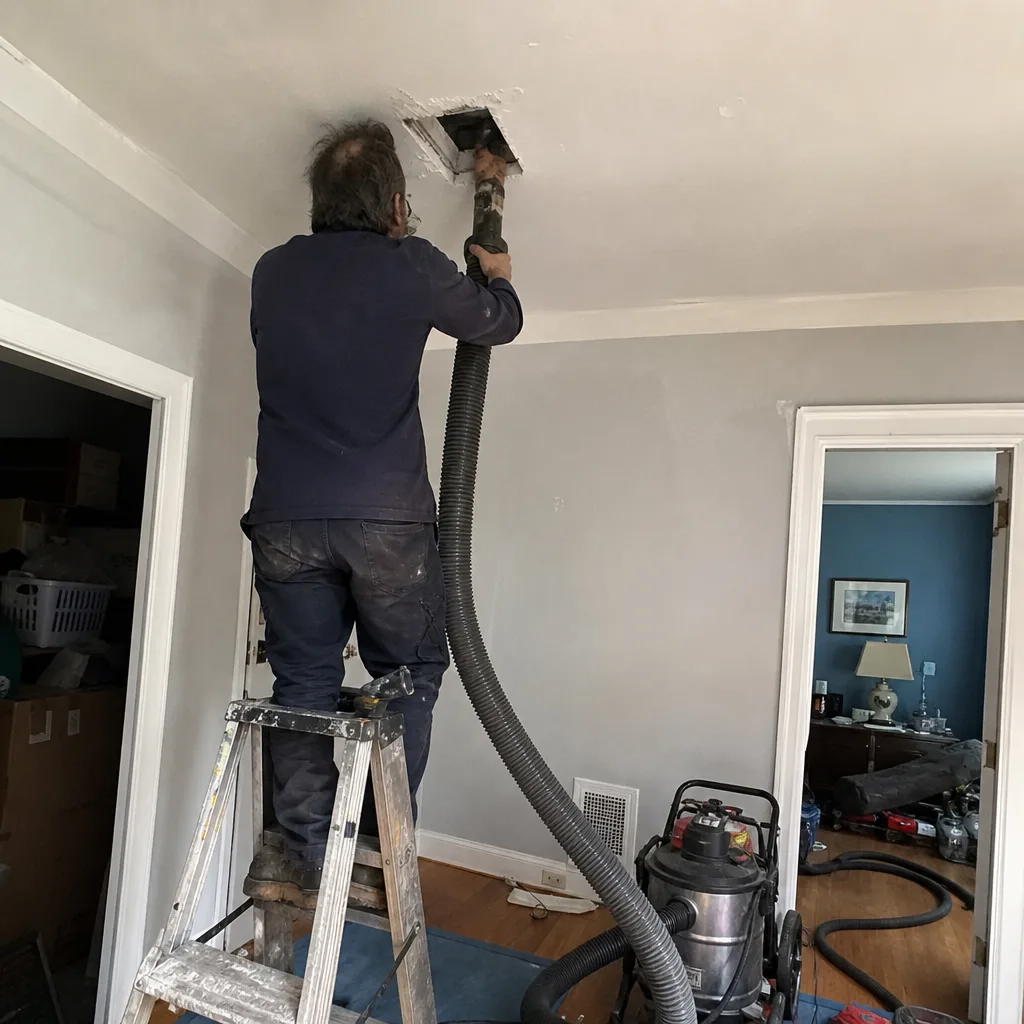 Before
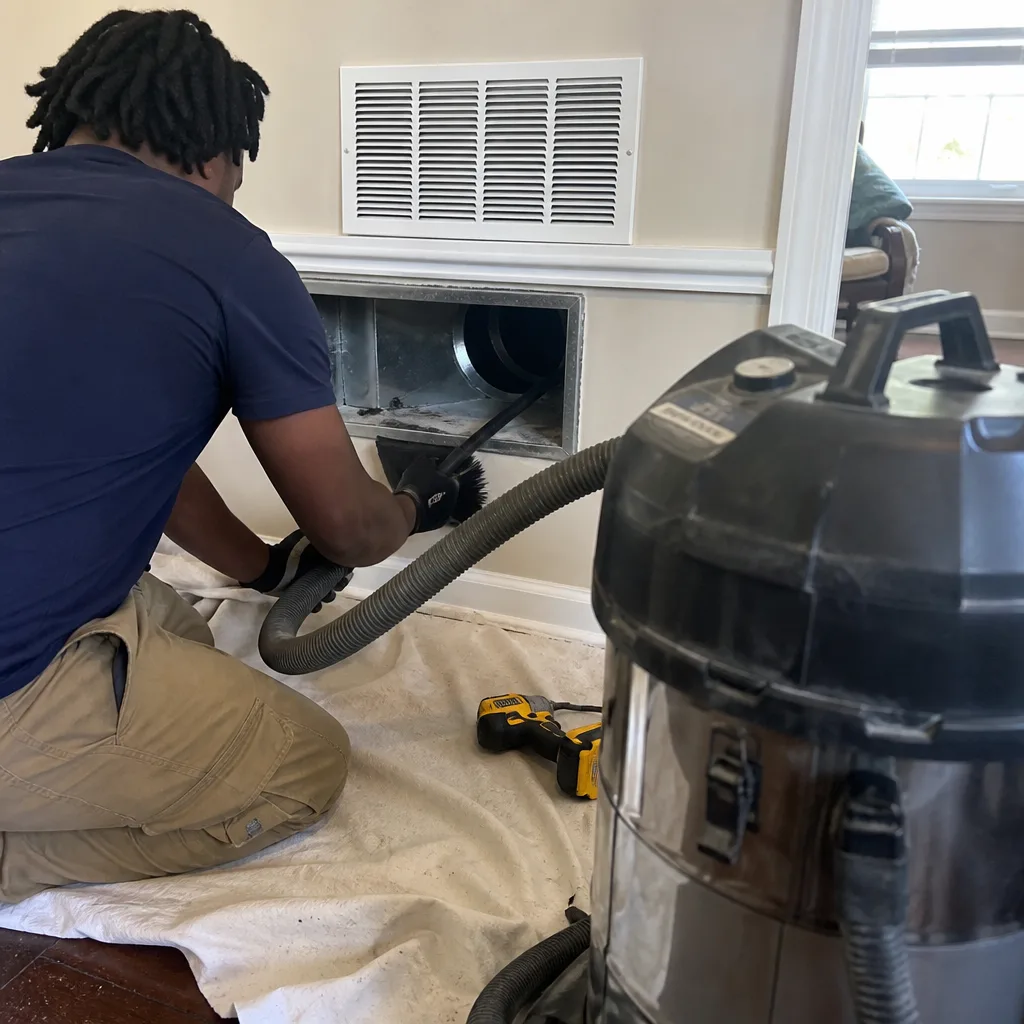 After
After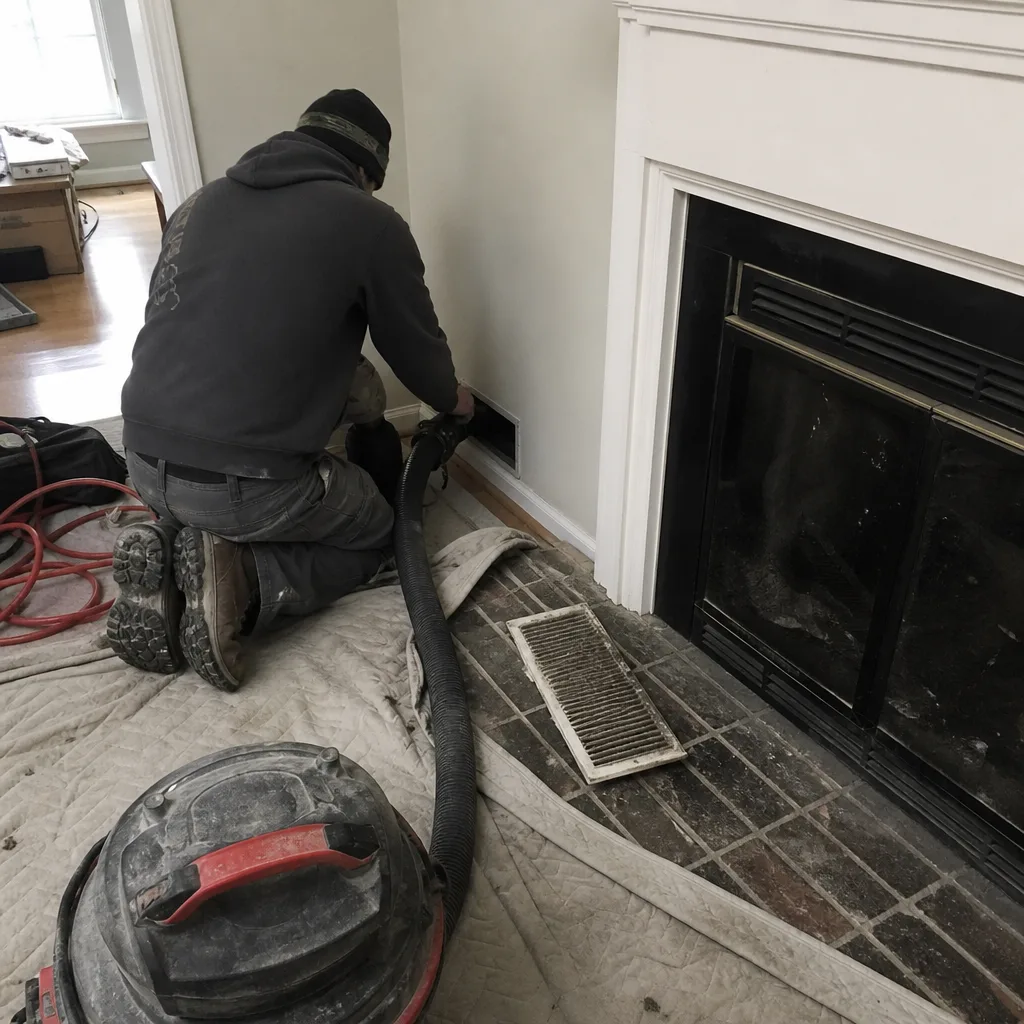 Before
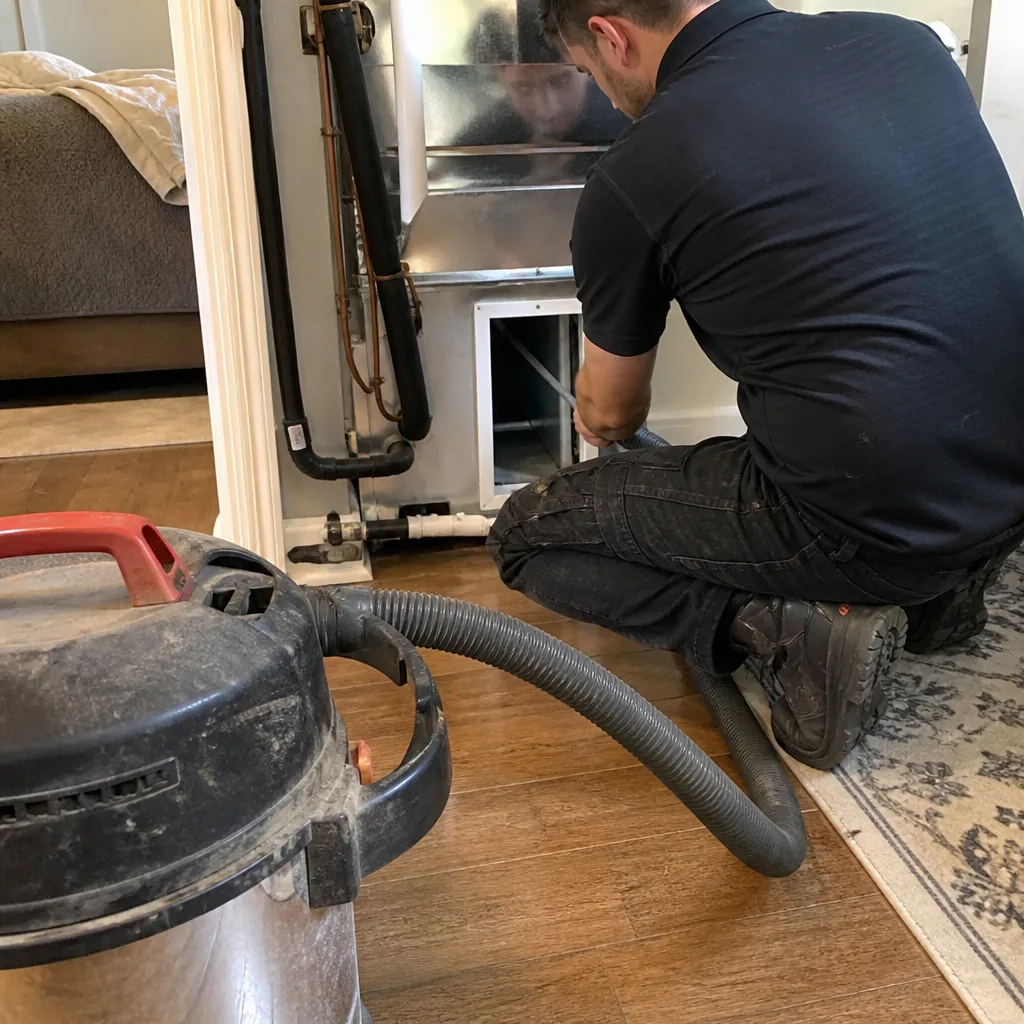 After
AfterHoneywell Duct Sealing & Repair: The Fairfax Owner’s Guide
CleanRun Air Duct Cleaning Fairfax stocks and installs Honeywell-compatible duct sealing components and repair assemblies for residential HVAC systems, with installed repair work typically running $340-$780 depending on access difficulty and whether we’re resealing a partial section or replacing a compromised main trunk junction. Most Honeywell duct sealing calls in Fairfax are completed same-day because the components we use, including Honeywell F50 and F300 series compatible gaskets and collar assemblies, travel on every service truck. You’ll usually discover the failure through uneven heating, a sudden spike in energy bills, or the sight of dust blowing from a joint that used to be tight.
The camera goes in first. Then we talk. Tomas Reyes, who leads our crew, started photographing every register boot and main trunk line before quoting back when he was working apartment-building systems in Queens. That habit became company policy in 2013, and it hasn’t changed.
Which Honeywell Models This Applies To
Honeywell’s residential duct components span several series, and the part you need depends on when your system was installed and what type of air cleaner or EAC (electronic air cleaner) sits upstream.
The F50 series electronic air cleaners, common in Fairfax homes built between 2005 and 2015, use proprietary collar gaskets that degrade faster than standard flex duct connections. The F300E and F300A lines require a slightly larger diameter sealing ring, 6.25 inches versus the 5.75 found on F50 units. If your Honeywell unit has a pre-filter frame dated 2012 or earlier, check for the smaller bolt pattern, four holes on a 5.5-inch circle, before ordering any replacement collar.
We carry both OEM Honeywell gaskets and aftermarket equivalents from Guardsman that meet the same temperature and pressure specs. The OEM part runs higher, but for most Fairfax homeowners the aftermarket collar performs identically and carries the same one-year material warranty. One compatibility gotcha: the F50F1073 uses a left-hand thread on its retaining ring, a detail missing from several aftermarket catalogs. We verify thread direction on the truck before the van leaves our shop.
CleanRun Air Duct Cleaning Fairfax is an independent service provider, not affiliated with Honeywell. We also stock parts for Lennox, Trane, and Carrier systems.
Signs Your Honeywell Duct Sealing & Repair Is Failing
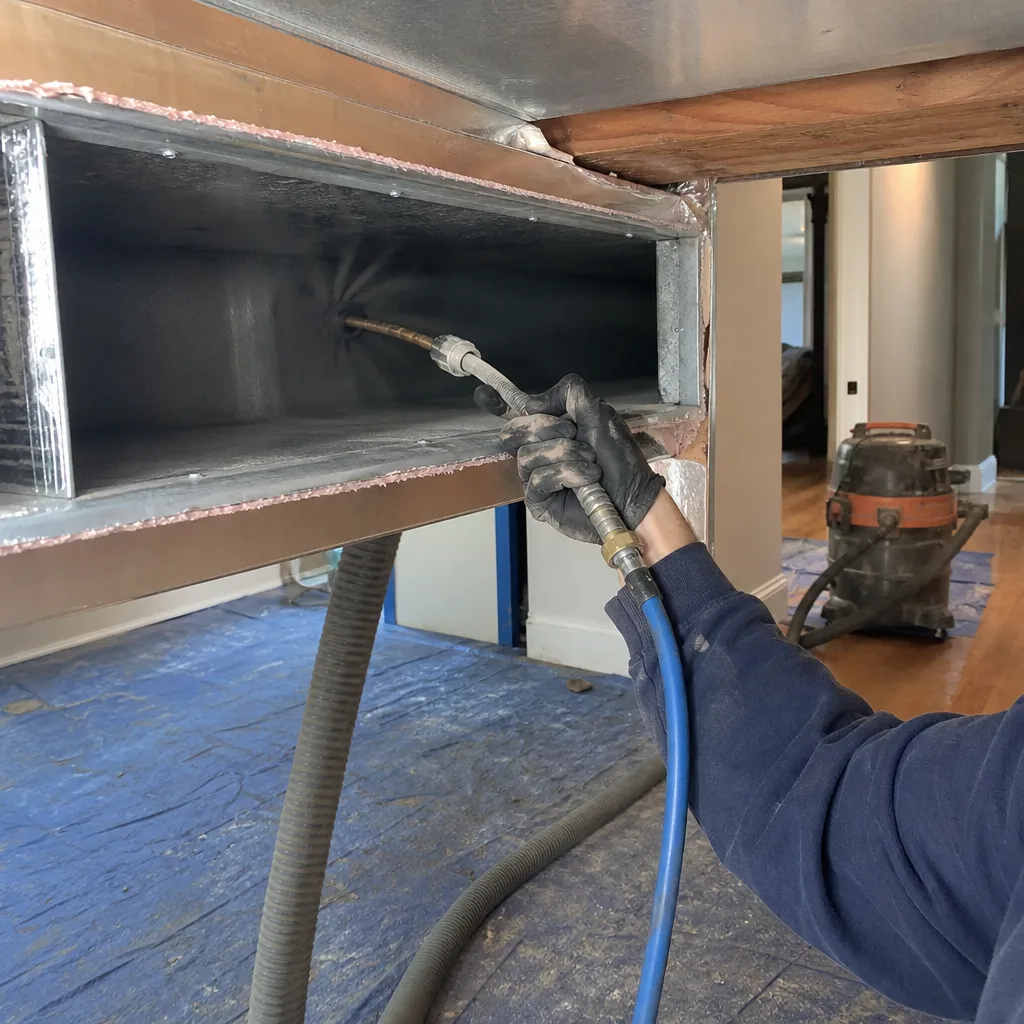
- Uneven temperatures room to room. A failed gasket at the plenum connection lets conditioned air leak into the attic or crawl space before it reaches the register. The bedroom over the garage stays cold in January while the living room overheats, and the thermostat never quite settles.
- Dust streaks near ceiling registers. When the seal between duct sections loosens, the joint becomes a two-way street: air leaks out, and attic dust gets pulled in during system off-cycles. The dark smudge on your ceiling paint is often the first visible clue.
- Energy bills climbing without rate changes. A 15% leakage rate at the main trunk, which we measure with a duct blaster, forces your heat pump or furnace to run longer to hit setpoint. Fairfax homeowners with F50-series units in split-levels near the Mosaic District see this pattern frequently, especially after fiberglass liner deterioration opens secondary leakage paths.
- Whistling or rushing air from behind walls. That sound is high-velocity air escaping through a gap that used to be sealed by a compressed gasket. The noise often starts in shoulder seasons when the system cycles more frequently and thermal expansion loosens aged adhesive.
- Electronic air cleaner fault codes. Honeywell EACs monitor airflow across the cell. When duct leakage drops velocity below the threshold, the unit throws a pressure fault and shuts down the ionizing grid. The air cleaner isn’t broken; it’s protecting itself from insufficient flow.
BeforeAfterReplacement Cost & What’s Included
Our written prices, delivered before any panel comes off, break down as follows for Fairfax homeowners:
| Service | Typical Range |
|---|---|
| Single gasket/collar replacement, accessible attic | $340-$460 |
| Main trunk junction reseal with mastic and collar | $480-$620 |
| Multiple-point sealing with full duct blaster verification | $620-$780 |
The range depends on three factors: how many linear feet need opening, whether we’re working in a 120-degree Fairfax attic in July or a conditioned crawl space, and whether the original installer used screws we can back out or rivets we must drill. Every quote includes the part, labor, mastic or foil tape as appropriate, and the duct blaster test to verify leakage reduction. Haven Standard Clause 1 requires that written price to stand, no additions once work begins.
The 365-Day Done Right Promise covers the workmanship. If the seal fails or the joint loosens within a year, we return and make it right, documented with new before-and-after photos.
DIY or Call Us?
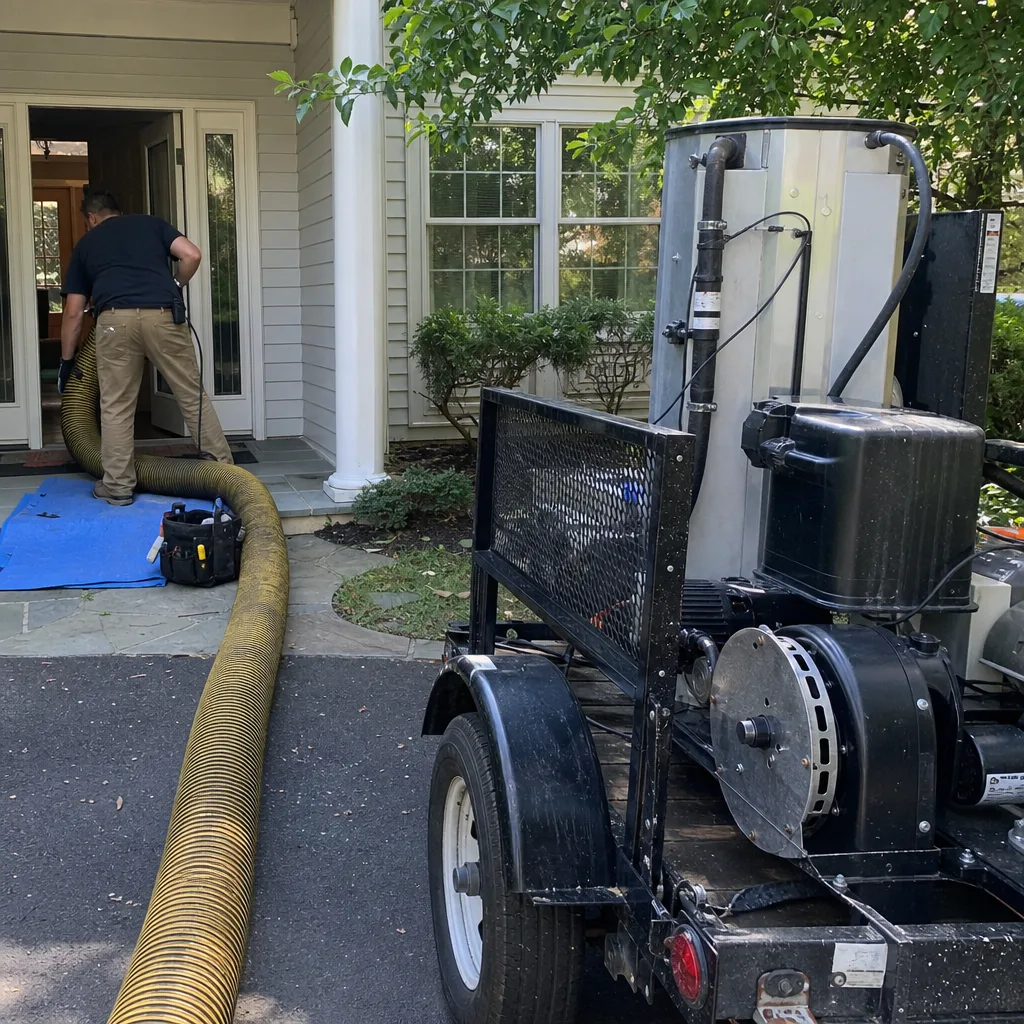
There’s a safe middle ground and a hard stop.
What you can check yourself: the model label on your Honeywell EAC or air cleaner, usually on the door frame or cell access panel. Photograph it. Look for dust streaks or feel for airflow escaping around ceiling registers with the system running. These observations help us bring the right collar diameter on the first trip.
Where DIY goes wrong: attic ductwork in Fairfax homes often runs through 140-degree summer temperatures that make mastic application timing critical, too hot and it skins before bonding, too cool and it won’t cure. More importantly, working near the plenum involves disturbing connections to the furnace heat exchanger and, in gas systems, the flue collar. A misaligned reassembly creates a carbon monoxide risk or a fire hazard. We don’t recommend homeowners enter attics with active gas appliances or attempt to reseal main trunk connections themselves.
If you’ve found the model number and see leakage signs, call (571) 526-0015. We’ll quote a written price before scheduling, and the technician will photograph the joint before suggesting any work.
FAQs
In Fairfax’s mixed-humid climate, with summer attic temperatures exceeding 130 degrees and winter humidity swings, a properly installed gasket and mastic seal typically lasts 10 to 15 years. Fiberglass-lined ductwork degrades faster, often 7 to 10 years, because the liner itself becomes the failure point rather than the seal. Call (571) 526-0015 if you’re unsure whether your ducts are lined, we’ll check on the first camera run.
Sometimes. If the collar is intact but the mastic has cracked, we can clean and re-mastic the joint for roughly half the cost of full collar replacement. If the gasket is compressed past 50% of its original thickness or the metal collar is corroded, replacement is the only lasting fix. We photograph the condition and show you before quoting either way.
Most single-point Honeywell collar replacements take 90 minutes to two hours, including setup, the duct blaster verification, and photo documentation. Multi-point sealing jobs run three to four hours. We schedule with a two-hour arrival window, no artificial urgency.
Yes. Every CleanRun truck carries Honeywell-compatible collars in 5.75-inch and 6.25-inch diameters, Guardsman aftermarket gaskets rated to 200 degrees, and the left-hand thread retaining ring for F50F1073 units. If your system uses an uncommon variant, we’ll identify it on the initial camera inspection and return with the correct part, no charge for the second trip.
Written by Tomas Reyes, Owner, CleanRun Air Duct Cleaning Fairfax at CleanRun Air Duct Cleaning Fairfax, serving Fairfax and nearby areas.